
Sign up to save your podcasts
Or

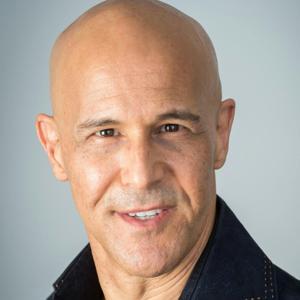


Most people struggle to fall asleep not because they are tired, but because their nervous system is still stuck in a state of alertness. Late at night the body often remains in the sympathetic “fight or flight” mode, which keeps the brain active, the heart rate elevated, and the body slightly tense. In this video, Dr. Mandell explains a simple 30-second technique you can try before bed that may help signal your nervous system to calm down and transition toward the parasympathetic state, the side responsible for relaxation and sleep. By stimulating sensory receptors inside the mouth that communicate with the trigeminal nerve and brainstem, this simple practice combined with slow nasal breathing may help slow the body’s stress response and prepare the brain for rest. This easy nighttime routine takes less than two minutes and can be done by anyone at home. Give it a try tonight and notice how your body responds as it begins to unwind and prepare for deeper sleep.
Scientific References:
Panneton WM. The mammalian diving response. Physiology (Bethesda). 2013;28(5):284–297. PubMed PMID: 23997188.
Goodman SR, et al. The trigeminal nerve and its role in autonomic nervous system regulation. Autonomic Neuroscience. 2016;199:1–9. PubMed PMID: 27542693.
Lundberg JO, Weitzberg E. Nasal nitric oxide in the human respiratory tract. Nature Reviews Immunology. 2002;2(8):593–602. PubMed PMID: 12154377.
Shaffer F, Ginsberg JP. An overview of heart rate variability metrics and norms. Frontiers in Public Health. 2017;5:258. PubMed PMID: 29034226.
Benarroch EE. The central autonomic network. Neurology. 1993;43(4):623–628. PubMed PMID: 8469326.
*********************************
Please share this video with your friends and family. Wishing you and your family many Blessings! ❤️😊🙏 Dr M
YouTube: https://www.youtube.com/user/motivationaldoc
Facebook: https://www.facebook.com/motivationaldoc/
Instagram: https://www.instagram.com/motivationaldoc/
Learn more about your ad choices. Visit megaphone.fm/adchoices
Knowledge is Power! Too many people panic and jump into the wrong direction regarding treatment. Conservative treatment has been proven and effective with most disc conditions. The more you understand about your condition, the easier it will be to accept it, take care of it, and live your life happy again.
Learn more about your ad choices. Visit megaphone.fm/adchoices
Learn more about your ad choices. Visit megaphone.fm/adchoices
Learn more about your ad choices. Visit megaphone.fm/adchoices
Your pancreas works around the clock regulating metabolism, blood sugar, and energy levels, yet many people unknowingly force this organ to work overtime—especially in the evening. Late-night sugars and refined carbohydrates can cause insulin spikes at the exact time the body should be shifting into a natural overnight fasting state. In this video, I explain how your evening habits influence pancreatic function while you sleep, why giving your pancreas a metabolic break at night is so important, and how simple strategies such as avoiding late sugars, taking a short walk after dinner, and using small amounts of Ceylon cinnamon may help support insulin sensitivity and metabolic balance. Understanding how the pancreas regulates insulin and glucagon during sleep can help you make smarter evening choices that support long-term metabolic health.
PubMed References
Khan A, Safdar M, Ali Khan MM, Khattak KN, Anderson RA. Cinnamon improves glucose and lipids of people with type 2 diabetes. Diabetes Care. 2003 Dec, 26(12):3215-3218. PMID: 14633804
Anderson RA, Broadhurst CL, Polansky MM, Schmidt WF, Khan A, Flanagan VP, Schoene NW, Graves DJ. Isolation and characterization of polyphenol type-A polymers from cinnamon with insulin-like biological activity. J Agric Food Chem. 2004 Jan, 52(1):65-70. PMID: 14709014
Qin B, Nagasaki M, Ren M, Bajotto G, Oshida Y, Sato Y. Cinnamon extract improves insulin sensitivity and glucose uptake in vivo. Diabetes Res Clin Pract. 2003 Dec, 62(3):139-148. PMID: 14625103
Cao H, Urban JF, Anderson RA. Cinnamon polyphenol extract affects immune responses and insulin signaling. J Nutr. 2008 May, 138(5):833-840. PMID: 18424533
Mang B, Wolters M, Schmitt B, Kelb K, Lichtinghagen R, Stichtenoth DO, Hahn A. Effects of a cinnamon extract on plasma glucose, HbA1c, and serum lipids in diabetes mellitus type 2. Eur J Clin Invest. 2006 May, 36(5):340-344. PMID: 16634838
*********************************
Please share this video with your friends and family. Wishing you and your family many Blessings! ❤️😊🙏 Dr M
YouTube: https://www.youtube.com/user/motivationaldoc
Facebook: https://www.facebook.com/motivationaldoc/
Instagram: https://www.instagram.com/motivationaldoc/
Learn more about your ad choices. Visit megaphone.fm/adchoices
When the disc becomes torn (annular fibrosis), the inside gel (nucleus pulposus) can put pressure on the nerve causing pain, numbness and radiation. Here I explain an excellent alternative to help the disc repair and heal so compression may be released off the nerve.
Learn more about your ad choices. Visit megaphone.fm/adchoices
Struggling to fall asleep or waking up around 2 or 3 AM and unable to get back to sleep? Something as simple as one tablespoon of pumpkin seeds about 20 minutes before bed may help calm the nervous system and support deeper, more restful sleep. Pumpkin seeds are naturally rich in magnesium, a key mineral that helps relax the nervous system and regulate GABA, the brain’s primary calming neurotransmitter. They also contain tryptophan, an amino acid that converts into serotonin and then melatonin, the hormone that helps regulate your natural sleep cycle. In addition, the healthy fats, fiber, and protein found in pumpkin seeds may help stabilize nighttime blood sugar levels, which can prevent the release of stress hormones like cortisol and adrenaline that often wake people up during the night. By supporting melatonin production, calming the brain, and helping maintain stable glucose levels overnight, this simple bedtime habit may help you fall asleep faster and stay asleep longer. Try one tablespoon before bed tonight and see how your body responds.
Research (PubMed):
Peuhkuri K, Sihvola N, Korpela R. Diet promotes sleep duration and quality. Nutr Res. 2012 Aug;32(8):309-19. PMID: 22652369.
Abbasi B, Kimiagar M, Sadeghniiat-Haghighi K, et al. The effect of magnesium supplementation on primary insomnia in elderly. J Res Med Sci. 2012 Dec;17(12):1161-9. PMID: 23853635.
Bravo R, Matito S, Cubero J, et al. Tryptophan-rich breakfast and exposure to light improve sleep quality. J Psychiatr Res. 2013 Apr;47(4):388-93. PMID: 23290948.
Gangwisch JE, Heymsfield SB, Boden-Albala B, et al. Sleep duration associated with dietary nutrient intake. Sleep. 2007 Jun;30(6):717-26. PMID: 17580592.
*********************************
Please share this video with your friends and family. Wishing you and your family many Blessings! ❤️😊🙏 Dr M
YouTube: https://www.youtube.com/user/motivationaldoc
Facebook: https://www.facebook.com/motivationaldoc/
Instagram: https://www.instagram.com/motivationaldoc/
Learn more about your ad choices. Visit megaphone.fm/adchoices
Learn more about your ad choices. Visit megaphone.fm/adchoices
Most people think blood sugar spikes are caused only by sugar or carbohydrates. But what many people don’t realize is that the foods you combine with carbohydrates can dramatically change how your body responds to them.
In this video, Dr. Mandell explains how adding extra virgin olive oil to your meal may help slow the absorption of glucose and support more stable blood sugar levels.
Extra virgin olive oil is rich in monounsaturated fats, particularly oleic acid. These healthy fats help support the structure and function of the cell membrane, allowing insulin receptors to function more efficiently so glucose can enter the cell where it is used for energy.
Another powerful benefit of high-quality olive oil comes from its polyphenols, natural antioxidant compounds that help reduce inflammation and oxidative stress. Chronic inflammation is one of the major drivers of insulin resistance and metabolic dysfunction.
Healthy fats such as those found in extra virgin olive oil can also slow gastric emptying, meaning food leaves the stomach more gradually. This helps glucose enter the bloodstream at a slower pace, reducing the sharp spikes in blood sugar that often occur after carbohydrate-rich meals.
This is one of the reasons the Mediterranean diet, which is rich in extra virgin olive oil, has been consistently associated with improved metabolic health, better insulin sensitivity, and lower rates of type 2 diabetes and cardiovascular disease.
In this video you will learn:
• Why combining healthy fats with carbohydrates may reduce blood sugar spikes
• How olive oil supports insulin sensitivity and metabolic health
• The role of polyphenols in reducing inflammation
• Why the quality of olive oil matters
• A simple way to incorporate extra virgin olive oil into your meals
Sometimes small changes in the kitchen can make a meaningful difference in how your body responds to food.
Scientific References (PubMed):
Schwingshackl L, Hoffmann G. Monounsaturated fatty acids, olive oil and health status. Journal of Nutritional Biochemistry. 2014. PubMed ID: 25148973.
Estruch R, Ros E, Salas-Salvadó J, et al. Primary prevention of cardiovascular disease with a Mediterranean diet supplemented with extra-virgin olive oil or nuts. New England Journal of Medicine. 2013. PubMed ID: 23432189.
Widmer RJ, Flammer AJ, Lerman LO, Lerman A. The Mediterranean diet, its components, and cardiovascular disease. American Journal of Medicine. 2015. PubMed ID: 25617206.
Hernáez Á, Castañer O, Elosua R, et al. Mediterranean diet improves high-density lipoprotein function in high cardiovascular risk individuals. Circulation. 2017. PubMed ID: 28289003.
Schwingshackl L, Hoffmann G, Lampousi AM, et al. Food groups and risk of type 2 diabetes mellitus. European Journal of Epidemiology. 2017. PubMed ID: 28194688.
*********************************
Please share this video with your friends and family. Wishing you and your family many Blessings! ❤️😊🙏 Dr M
YouTube: https://www.youtube.com/user/motivationaldoc
Facebook: https://www.facebook.com/motivationaldoc/
Instagram: https://www.instagram.com/motivationaldoc/
Learn more about your ad choices. Visit megaphone.fm/adchoices
Learn more about your ad choices. Visit megaphone.fm/adchoices
From the publisher's feed