
Sign up to save your podcasts
Or



Ask Mai & Send Feedback
This episode explores a challenge many growing business owners face: when the workload becomes overwhelming, is hiring really the right solution? Mai and Lee discuss why bringing on new staff without first understanding the root cause of the problem can create even more complexity, and how business owners can take a more strategic approach to growth.
They introduce the concept of the buyback loop, a practical framework for identifying, documenting, and delegating tasks effectively. Through real-world examples, they explain how creating systems and processes can reduce bottlenecks, improve efficiency, and build a business that is less reliant on the owner.
In this episode, they discuss:
Whether you're preparing to hire your first team member, struggling to keep up with growth, or looking to create more time to focus on high-value work, this episode provides practical strategies to help you scale your business with confidence.
If you'd like guidance on business growth, improving operational efficiency, implementing systems, or developing a scalable business structure, our team at My Accounting Advantage is here to help.
Learn more about My Accounting Advantage
Disclaimer
The advice contained in this presentation is general in nature only and should not be acted on without first seeking professional advice.
Your personal circumstances have not been taken into account, and you should consider the appropriateness of the advice to your individual needs.
Ask Mai & Send Feedback
This episode explores one of the biggest changes to SMSF property investing in recent years: the 10 August 2026 rule change and what it means for Australians looking to purchase property through their Self-Managed Super Fund.
Mai is joined by SMSF lending specialist Luke Talbot to unpack what has changed, what opportunities still remain, and how SMSF lending works in practice. Together, they discuss why residential property purchases through borrowing have been significantly impacted, why commercial property remains a key strategy for many SMSF investors, and the critical steps required to secure finance successfully.
In this episode, they discuss:
Whether you're considering purchasing property through your SMSF, refinancing an existing loan, or simply trying to understand how the recent rule changes may affect your retirement strategy, this episode provides valuable guidance to help you navigate a rapidly changing landscape.
If you'd like advice on SMSFs, property investing, SMSF lending, retirement planning, or structuring your investments effectively, our team at My Accounting Advantage is here to help.
Learn more about My Accounting Advantage
Disclaimer
The advice contained in this presentation is general in nature only and should not be acted on without first seeking professional advice.
Your personal circumstances have not been taken into account, and you should consider the appropriateness of the advice to your individual needs.
Ask Mai & Send Feedback
This episode explores a growing area of interest for business owners and investors: buying property through a Self-Managed Super Fund (SMSF) and understanding the borrowing rules that come with it.
Mai and Lee break down the complexities of Limited Recourse Borrowing Arrangements (LRBAs) in plain English, explaining how SMSFs can borrow to purchase property, the structures that must be in place before signing a contract, and the common pitfalls that can derail a property strategy. They also discuss the significant changes to SMSF residential property borrowing from 10 August 2026, what remains available for commercial property, and why proper planning and advice are more important than ever.
In this episode, they discuss:
Whether you're considering purchasing commercial property, planning for retirement, or exploring how an SMSF can fit into your long-term wealth strategy, this episode provides practical insights to help you avoid costly mistakes and make more informed decisions.
If you'd like advice on SMSFs, property investment, commercial property ownership, retirement strategies, or SMSF compliance, our team at My Accounting Advantage is here to help.
Learn more about My Accounting Advantage
Disclaimer
The advice contained in this presentation is general in nature only and should not be acted on without first seeking professional advice.
Your personal circumstances have not been taken into account, and you should consider the appropriateness of the advice to your individual needs.
Ask Mai & Send Feedback
This episode breaks down the key tax, superannuation, and business changes following the 2026 Federal Budget. Mai Harris explains what is already law, what is still proposed, and what individuals, investors, trustees, and business owners need to know moving forward.
In this episode, they discuss:
Whether you're building wealth, running a business, or planning for retirement, this episode provides practical insights to help you navigate the latest tax and superannuation changes with confidence.
If you'd like advice on tax planning, superannuation, business structures, property investment, or trusts, our team at My Accounting Advantage is here to help.
Learn more about My Accounting Advantage
Disclaimer
The advice contained in this presentation is general in nature only and should not be acted on without first seeking professional advice.
Your personal circumstances have not been taken into account, and you should consider the appropriateness of the advice to your individual needs.
Ask Mai & Send Feedback
This episode tackles a common question for Australian homeowners: Does the six-year rule mean you can avoid Capital Gains Tax when you move out and rent your home?
Mai and Lee explain how the six-year rule really works, how it interacts with negative gearing, and the common mistakes that can lead to unexpected tax liabilities. They also discuss recent legislative changes, record-keeping requirements, and why it's important to seek advice before making property decisions.
In this episode, they discuss:
Whether you're planning to move, rent out your home, or invest in property, this episode provides practical insights to help you make informed decisions and avoid costly surprises.
If you'd like advice on Capital Gains Tax, negative gearing, property structuring, or tax planning, our team at My Accounting Advantage is here to help.
Visit www.myaccountingadvantage.com.au to learn more.
Have a question you'd like Mai to answer on a future episode? Submit it through the Ask Mai link at the top of the show notes.
Learn more about My Accounting Advantage
Disclaimer
The advice contained in this presentation is general in nature only and should not be acted on without first seeking professional advice.
Your personal circumstances have not been taken into account, and you should consider the appropriateness of the advice to your individual needs.
Ask Mai & Send Feedback
This episode tackles a question many ambitious professionals ask themselves: If you're great at your job, does that mean you'll succeed in business?
Mai and Lee explore why many high-performing employees struggle when they start their own businesses. They discuss the mindset shift required to move from employee to business owner, the hidden costs of running a business, and why proper planning is essential before making the leap.
In this episode, they discuss:
Whether you're planning to launch a business or simply exploring the idea, this episode provides practical advice to help you avoid costly mistakes and build a stronger foundation for success.
If you're thinking about starting a business and would like advice on business structures, cash flow planning, risk management, or financial readiness, our team at My Accounting Advantage is here to help.
Visit www.myaccountingadvantage.com.au to learn more.
Have a question you'd like Mai to answer on a future episode? Submit it through the Ask Mai link at the top of the show notes.
Learn more about My Accounting Advantage
Disclaimer
The advice contained in this presentation is general in nature only and should not be acted on without first seeking professional advice.
Your personal circumstances have not been taken into account, and you should consider the appropriateness of the advice to your individual needs.
Ask Mai & Send Feedback
Many business owners focus on the sale price when selling a business or commercial property, but one often-overlooked detail can have a significant impact on the deal: the Going Concern rules.
In this episode, Mai Harris and Lee Woodward explain what a Going Concern arrangement is, when it applies, and why getting it right can save buyers and sellers from unnecessary GST complications. From business sales to commercial property transactions, Mai breaks down the key requirements, common pitfalls, and the questions you should ask before signing a contract.
The discussion also explores vendor finance arrangements, the importance of preserving value in an established business, and why rushing to reinvent a successful operation can sometimes do more harm than good.
In this episode, Mai talks about:
This episode is a practical reminder that selling a business or commercial property is about more than agreeing on a price. Understanding whether a transaction qualifies as a Going Concern can have a major impact on GST, cash flow, and the overall success of the deal.
If you'd like advice on buying or selling a business or commercial property, reach out to our team at www.myaccountingadvantage.com.au. You can also submit questions or topic ideas via the Ask Mai link at the top of the show notes.
Learn more about My Accounting Advantage
Disclaimer
The advice contained in this presentation is general in nature only and should not be acted on without first seeking professional advice.
Your personal circumstances have not been taken into account, and you should consider the appropriateness of the advice to your individual needs.
Ask Mai & Send Feedback
This episode tackles one of the biggest questions business owners face: How do you sell a business and keep more of what you've worked so hard to build?
Mai and Lee are joined by local business owner, Chef Daniel, who steps into the guest seat to ask the questions many business owners are already thinking about. Together, they unpack the tax implications of selling a business, recent changes to Capital Gains Tax (CGT), the importance of planning well before an exit, and why your accountant should be one of your most trusted advisers throughout the process.
In this episode, they talk about:
Whether you're preparing to sell in the next 12 months or simply want to build a business that has long-term value, this episode highlights why planning early can make a significant difference to the outcome.
If you're considering selling your business, reviewing your structure, or would like advice on the small business CGT concessions available to you, our team at www.myaccountingadvantage.com.au is here to help.
Have a question you'd like Mai to answer on a future episode? Submit it through the Ask Mai link at the top of the show notes.
Learn more about My Accounting Advantage
Disclaimer
The advice contained in this presentation is general in nature only and should not be acted on without first seeking professional advice.
Your personal circumstances have not been taken into account, and you should consider the appropriateness of the advice to your individual needs.
Ask Mai & Send Feedback
We unpack what makes a business genuinely saleable, and why waiting until you are fed up is a costly time to exit. We share a practical checklist for sale readiness, from clean financials and contracts to systems, leadership, and transferability that keeps value high when the owner steps away.
• why a saleable business is the real measure of business health
• the risk of selling from emotion rather than strategy
• what “turnkey” looks like and why owner dependency destroys value
• thinking beyond profit to adjacent buyers and acquisition value
• preparing for due diligence with three years of financial records
• building transferable systems, documented processes, and clear SOPs
• strengthening the team through leadership, retention, and succession planning
• keeping contracts ready so deals do not go stale
• using AI to speed up process documentation and quality control
• the sale readiness scorecard and the simple business value formula
Learn more about My Accounting Advantage
Disclaimer
The advice contained in this presentation is general in nature only and should not be acted on without first seeking professional advice.
Your personal circumstances have not been taken into account, and you should consider the appropriateness of the advice to your individual needs.
Ask Mai & Send Feedback
Many people spend years building wealth, growing a business, and chasing financial freedom without ever stopping to ask a simple question: What is it all for?
In this episode, Mai and Lee explore the connection between wealth, purpose, and goal setting. Drawing on conversations with business owners, investors, and families, Mai explains why financial success is difficult to achieve, let alone measure, if you don't have clarity around what you actually want from life.
The discussion focuses on setting meaningful goals, creating a vision for the future, and understanding how financial decisions should support the life you want to live. Whether your goal is early retirement, more freedom, more family time, or building a business you love, Mai shares a practical framework to help turn ideas into action.
In this episode, Mai talks about:
This episode is a reminder that financial success isn't about accumulating wealth for the sake of it. It's about creating a life that aligns with your values, gives you choices, and allows you to spend your time in ways that matter most to you.
If you'd like help building a financial strategy that supports your personal goals, reach out to our team at www.myaccountingadvantage.com.au. You can also submit questions or topic ideas via the Ask Mai link at the top of the show notes.
Learn more about My Accounting Advantage
Disclaimer
The advice contained in this presentation is general in nature only and should not be acted on without first seeking professional advice.
Your personal circumstances have not been taken into account, and you should consider the appropriateness of the advice to your individual needs.
From the publisher's feed
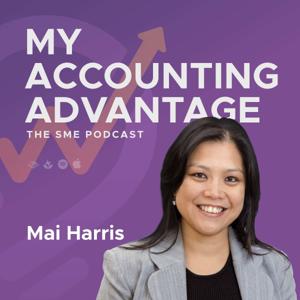
My Accounting Advantage is a practical, no‑fluff podcast for business owners, professionals, and property investors who want to make smarter financial decisions with confidence.
Hosted…
IG: www.instagram.com/the_maiharris/
Facebook: www.facebook.com/profile.php?id=61587008353108
Linkedin: www.linkedin.com/in/mai-harris-4a4698375/
Web: www.myaccountingadvantage.com.au/