
Sign up to save your podcasts
Or

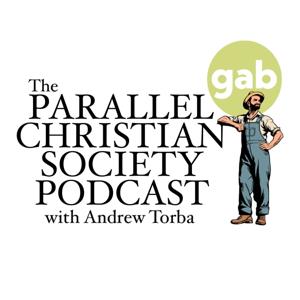

A holiday display may look harmless, but on government property it becomes a claim about identity, authority, and belonging. We dig into Allegheny County v. ACLU (1989) to explain why a nativity can be struck down while a menorah can stand, and how that split still shapes what shows up on courthouse steps and the White House lawn. Along the way, we unpack how the Establishment Clause evolved into the modern “endorsement” lens, and why context and curation can turn a seasonal decoration into a constitutional statement.
From there, we confront the deeper tension: how competing sacred stories meet the secular state. We talk through the nativity’s central place in Christian belief, the historical and religious meaning of the menorah, and why putting either on state platforms feels less like inclusion and more like adjudication. The conversation also traces the rise of the term “Judeo‑Christian,” how it united coalitions across the twentieth century, and why critics say it blurs real doctrinal differences while advancing political agendas that borrow moral authority from faith.
Finally, we connect symbols to policy. Public displays influence narratives, narratives influence votes, and votes shape budgets, alliances, and foreign commitments. We make the case for cleaner rules around sacred imagery on public land, more honest coalition language, and a civic framework that argues national interest on civic terms—costs, benefits, and risks—without hiding behind religious inevitability. If the public square is for everyone, the rules need to be transparent and consistent. Listen, then tell us how you’d draw the line, and if you find value here, follow the show, share it with a friend, and leave a review to keep the conversation moving.
Support the show
 View all episodes
 By Andrew Torba

4.9
7676 ratings
A holiday display may look harmless, but on government property it becomes a claim about identity, authority, and belonging. We dig into Allegheny County v. ACLU (1989) to explain why a nativity can be struck down while a menorah can stand, and how that split still shapes what shows up on courthouse steps and the White House lawn. Along the way, we unpack how the Establishment Clause evolved into the modern “endorsement” lens, and why context and curation can turn a seasonal decoration into a constitutional statement.
From there, we confront the deeper tension: how competing sacred stories meet the secular state. We talk through the nativity’s central place in Christian belief, the historical and religious meaning of the menorah, and why putting either on state platforms feels less like inclusion and more like adjudication. The conversation also traces the rise of the term “Judeo‑Christian,” how it united coalitions across the twentieth century, and why critics say it blurs real doctrinal differences while advancing political agendas that borrow moral authority from faith.
Finally, we connect symbols to policy. Public displays influence narratives, narratives influence votes, and votes shape budgets, alliances, and foreign commitments. We make the case for cleaner rules around sacred imagery on public land, more honest coalition language, and a civic framework that argues national interest on civic terms—costs, benefits, and risks—without hiding behind religious inevitability. If the public square is for everyone, the rules need to be transparent and consistent. Listen, then tell us how you’d draw the line, and if you find value here, follow the show, share it with a friend, and leave a review to keep the conversation moving.
Support the show
1,712 Listeners
2,205 Listeners

154,093 Listeners

2,279 Listeners
629 Listeners
1,097 Listeners
66,410 Listeners

7,674 Listeners

1,379 Listeners
983 Listeners
1,193 Listeners
551 Listeners
510 Listeners
389 Listeners
169 Listeners