
Sign up to save your podcasts
Or

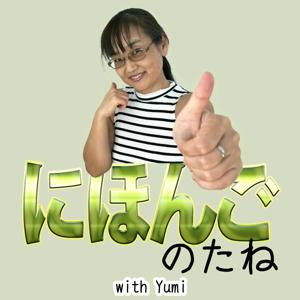


We spend so much time behind our computer screens, so it is nice to, once-in-a-while, actually meet people. Today, Yumi shares a meeting with a Makoto+ member who happened to be in town. It was a lot of fun and helped motivate Yumi to keep on doing what she's doing.
KEY VOCABULARY:
わざわざ taking the trouble (to do something)
海(うみ)を越(こ)えて crossing the sea and
有名人(ゆうめいじん) famous person
用事(ようじ) business; tasks; affairs
年齢(ねんれい) age
鬼滅(きめつ)の刃(やいば) Demon Slayer (manga/anime)
披露(ひろう) presentation; displaying
自画自賛(じがじさん) self-praise
阿部寛(あべひろし) Abe Hiroshi (famous movie and TV star in Japan)
日本通(にほんつう) expert of Japan; Japanophile
交流(こうりゅう) exchange
機会(きかい)があれば whenever (I) have a chance
For upper beginners to intermediates. Listen to the short podcast and then answer the comprehension questions on the website: https://thejapanesepage.com/nihongonotane-index/
Take a quiz on this episode here:
https://thejapanesepage.com/podcast-nihongonotane-93
If you are a Makoto+ member, you can find the transcript, English translation, key vocabulary, and a downloadable PDF for printing:
https://MakotoPlus.com/podcast-nihongonotane-93-m
--
Become a Makoto+ member and get show notes with a complete transcript, translation, key vocabulary, and a downloadable PDF.
www.MakotoPlus.com
A Makoto+ member had a question for Yumi. "Why are Diet members (Japanese parliament) called "kun" when "kun" is mostly for little boys?" Good question. Listen as Yumi delves into the fascinating history behind this common honorific title.
KEY VOCABULARY:
子供(こども)の頃(ころ) when I was a kid; childhood
そういう感(かん)じ such a feeling; that's how (I) feel
新聞社(しんぶんしゃ) newspaper company
決(き)まりがある there's a rule
年下(としした) younger (person)
現代(げんだい)の日本(にほん) modern Japan
国会議員(こっかいぎいん) Diet member
子供(こども)っぽい childish
年齢(ねんれい)の高(たか)い方(かた) older people
違和感(いわかん) feeling out of place; uncomfortable feeling; bad feeling
明治時代(めいじじだい) Meiji period (1868-1912)
江戸時代(えどじだい) Edo period (1603-1868)
武士(ぶし) samurai; warrior
農民(のうみん) farmer
商人(しょうにん) merchant
身分制度(みぶんせいど) status system; class system
廃止(はいし) abolish
敬称(けいしょう) honorary titles
平等(びょうどう) equality; impartiality
For upper beginners to intermediates. Listen to the short podcast and then answer the comprehension questions on the website: https://thejapanesepage.com/nihongonotane-index/
Take a quiz on this episode here:
https://thejapanesepage.com/podcast-nihongonotane-92
If you are a Makoto+ member, you can find the transcript, English translation, key vocabulary, and a downloadable PDF for printing:
https://MakotoPlus.com/podcast-nihongonotane-92-m
--
Become a Makoto+ member and get show notes with a complete transcript, translation, key vocabulary, and a downloadable PDF.
www.MakotoPlus.com
Yumi continues to talk about counters in Japanese. This series started due to a question from a listener about how to count Godzilla. Then, she talked about rabbits (which uses 一羽 ichiwa -- just like birds). This time, she turns her attention to fish. Fish in general are easy to count. But… of course, it isn't that simple in the real world.
KEY VOCABULARY:
数(かぞ)え方(かた) way of counting
島国(しまぐに) island country
たくさんの種類(しゅるい) many varieties
季節(きせつ)による by season; according to the season
サバ (mackerel)、サンマ (Pacific saury; mackerel pike)、アジ (horse mackerel)、マグロ (tuna)、ブリ (Japanese amberjack)、イワシ (sardine)、カツオ (bonito)、イカ (squid)、カニ (crab)、エビ (shrimp)、貝類(かいるい) (shellfish)、海藻(かいそう) (seaweed)、ワカメ (wakame seaweed)、昆布(こんぶ) (konbu kelp)、フグ (puffer fish)
水族館(すいぞくかん) aquarium
漁師(りょうし)さん fisherman
For upper beginners to intermediates. Listen to the short podcast and then answer the comprehension questions on the website: https://thejapanesepage.com/nihongonotane-index/
Take a quiz on this episode here:
https://thejapanesepage.com/podcast-nihongonotane-91
If you are a Makoto+ member, you can find the transcript, English translation, key vocabulary, and a downloadable PDF for printing:
https://MakotoPlus.com/podcast-nihongonotane-91-m
--
Become a Makoto+ member and get show notes with a complete transcript, translation, key vocabulary, and a downloadable PDF.
www.MakotoPlus.com
Yumi continues counting in Japanese. Last time, she discussed how to count Godzilla (is it 一匹 ippiki or 一頭 ittou?). This week, she turns her attention to the interesting counter for rabbits. Is it 一匹 ippiki? Nope. It's 一羽 ichiwa -- just like birds. Why? Listen as Yumi gives two possible etymologies.
KEY VOCABULARY:
数(かぞ)え方(かた) way of counting
頭(とう) counter for large animals (meaning head)
匹(ひき) counter for most small animals and insects
羽(わ) counter for birds and rabbits (means feathers)
束(たば) bundles
把(わ) counter for bundles
説(せつ)があります there is a theory
生類(しょうるい)憐(あわ)れみ mercy on living things
食糧事情(しょくりょうじじょう) food situation
一般(いっぱん)の庶民(しょみん) ordinary folk; common people
頓智話(とんちばなし) story of a quick-witted person
For upper beginners to intermediates. Listen to the short podcast and then answer the comprehension questions on the website: https://thejapanesepage.com/nihongonotane-index/
Take a quiz on this episode here:
https://thejapanesepage.com/podcast-nihongonotane-90
If you are a Makoto+ member, you can find the transcript, English translation, key vocabulary, and a downloadable PDF for printing:
https://MakotoPlus.com/podcast-nihongonotane-90-m
--
Become a Makoto+ member and get show notes with a complete transcript, translation, key vocabulary, and a downloadable PDF.
www.MakotoPlus.com
In the original Godzilla movie from 1954, the professor uses the counter 一匹 to count Godzilla. But isn't 匹 used with small animals? Shouldn't Godzilla be counted as 一頭? This was a bit of a puzzle for Yumi too, so she researched the subject. Listen as Yumi explains what she discovered.
KEY VOCABULARY:
ゴジラ Godzilla [mix of ゴリラ (gorilla) and クジラ (whale)]
白黒(しろくろ) Black and white [in Japanese, "white and black"]
科学的(かがくてき)な説明(せつめい) scientific explanation
古臭(ふるくさ)い stale; old-fashioned; hackneyed; trite
普遍性(ふへんせい) universality; omnipresence
興味深(きょうみぶか)い very interesting; of great interest
昆虫(こんちゅう) insects; bugs
研究者(けんきゅうしゃ) researchers
脚本(きゃくほん) script
数(かぞ)え方(かた) way of counting
For upper beginners to intermediates. Listen to the short podcast and then answer the comprehension questions on the website: https://thejapanesepage.com/nihongonotane-index/
Take a quiz on this episode here:
https://thejapanesepage.com/podcast-nihongonotane-89
If you are a Makoto+ member, you can find the transcript, English translation, key vocabulary, and a downloadable PDF for printing:
https://MakotoPlus.com/podcast-nihongonotane-89-m
--
Become a Makoto+ member and get show notes with a complete transcript, translation, key vocabulary, and a downloadable PDF.
www.MakotoPlus.com
Japan has many wonderful things. The latest technology, tons of entertainment, low crime… but Japan also has one of the highest rates of suicide. Why is this so? Yumi talks about this difficult subject and gives a few of her thoughts about how to help prevent it.
KEY VOCABULARY:
自殺率(じさつりつ) suicide rate
私自身(わたしじしん)は I, myself; as for me, I…
有名(ゆうめい)な芸能人(げいのうじん) famous entertainer
他(ほか)の国(くに)の人(ひと) a person from another country
真面目(まじめ) serious; honest; sober; earnest
働(はたら)き者(もの) hard worker
ブラック企業(きぎょう) business that exploits its employees
残業(ざんぎょう) overtime work
従業員(じゅうぎょういん) employee; worker
上司(じょうし) boss; superior
精神科(せいしんか) psychiatry
助言(じょげん) advice
For upper beginners to intermediates. Listen to the short podcast and then answer the comprehension questions on the website: https://thejapanesepage.com/nihongonotane-index/
Take a quiz on this episode here:
https://thejapanesepage.com/podcast-nihongonotane-88
If you are a Makoto+ member, you can find the transcript, English translation, key vocabulary, and a downloadable PDF for printing:
https://MakotoPlus.com/podcast-nihongonotane-88-m
--
Become a Makoto+ member and get show notes with a complete transcript, translation, key vocabulary, and a downloadable PDF.
www.MakotoPlus.com
Yumi was very careful to always keep a sharp eye out on her children when they were young. In the shortest of moments, the unthinkable can happen. Japan is a very safe country most of the time, but children are left unsupervised moreso than in other countries. Yumi wonders is it's time to rethink that.
KEY VOCABULARY:
行方不明(ゆくえふめい) missing (person); lost; whereabouts unknown
一致(いっち)する to match; to agree; to conform
キャンプ場(じょう) camp site
ほんのちょっと only a little; just a little
警察(けいさつ) police
諦(あきら)めずに never give up; not giving up
残念(ざんねん)な悲(かな)しいニュース unfortunate and sad news
誘拐(ゆうかい)される to be kidnapped
神隠(かみかく)し (the idea that the gods take missing children who cannot be found)
千(せん)と千尋(ちひろ)の神隠(かみかく)し Spirited Away (anime)
冒険(ぼうけん) adventure
現実(げんじつ)には as for reality; but really
敏感(びんかん) sensitive; alert; aware
小学校(しょうがっこう)の高学年(こうがくねん) upper elementary school
後(あと)からついていきました followed after
それに比(くら)べると compared to that; comparing the two
話題(わだい)になりました became a hot topic of conversation
幼児(ようじ) toddler; young child
判断(はんだん)する to judge
無事(ぶじ)に safe and sound; safely
責任(せきにん)を取(と)る to take responsibility
For upper beginners to intermediates. Listen to the short podcast and then answer the comprehension questions on the website: https://thejapanesepage.com/nihongonotane-index/
Take a quiz on this episode here:
https://thejapanesepage.com/podcast-nihongonotane-87
If you are a Makoto+ member, you can find the transcript, English translation, key vocabulary, and a downloadable PDF for printing:
https://MakotoPlus.com/podcast-nihongonotane-87-m
--
Become a Makoto+ member and get show notes with a complete transcript, translation, key vocabulary, and a downloadable PDF.
www.MakotoPlus.com
Did you know Yumi once fell asleep during a production of Cats. You may be thinking, that's because it was in English! Nope. It was a performance in Nagoya in Japanese. She then concluded stories with lines sung rather than spoken make her sleepy and aren't worth the money. But then she saw The Phantom of the Opera.
Listen as Yumi explains a similarity that musical shares with modern anime.
KEY VOCABULARY:
オペラ座(ざ) opera house
怪人(かいじん) phantom; mysterious person
映画版(えいがばん) movie version; film version
舞台美術(ぶたいびじゅつ) stage design; scenic design
俳優(はいゆう)さん actor
舞台(ぶたい) state (theater); scene or setting
華(はな)やかな衣装(いしょう) gorgeous costumes
幻想的(げんそうてき) fantastic; magical; wondrous; fairytale-like
傑作(けっさく) masterpiece; best work
演劇(えんげき) drama; theater; play
恋愛(れんあい) love; passion; emotion
主人公(しゅじんこう) protagonist; main character; hero (of a story)
不気味(ぶきみ)な weird; ominous; eerie
暗(くら)い雰囲気(ふんいき) dark atmosphere
気味(きみ)が悪(わる)い creepy (feeling); uneasy feeling; giving one the creeps
魅力的(みりょくてき) charming; fascinating; attractive
現象(げんしょう) phenomenon
進撃(しんげき)の巨人(きょじん) Attack on Titan
世界観(せかいかん) world view; outlook on the world
共通点(きょうつうてん) point in common; common features
For upper beginners to intermediates. Listen to the short podcast and then answer the comprehension questions on the website: https://thejapanesepage.com/nihongonotane-index/
Take a quiz on this episode here:
https://thejapanesepage.com/podcast-nihongonotane-86
If you are a Makoto+ member, you can find the transcript, English translation, key vocabulary, and a downloadable PDF for printing:
https://MakotoPlus.com/podcast-nihongonotane-86-m
--
Become a Makoto+ member and get show notes with a complete transcript, translation, key vocabulary, and a downloadable PDF.
www.MakotoPlus.com
Walk 10,000 steps a day! Have you heard that slogan? Today, Yumi talks about how many steps the latest research suggests you should walk and what one should do with conflicting health suggestions.
KEY VOCABULARY:
体(からだ)に良(よ)い good for the body
若(わか)い頃(ころ) youth; when (I) was young
ラジオ局(きょく)に勤(つと)めていた Worked at a radio station
田舎町(いなかまち) country town
階段(かいだん) stairs
健康効果(けんこうこうか)がある have health benefits; effective for health
万歩計(まんぽけい) pedometer
最新(さいしん)の研究(けんきゅう) latest research
イエス様(さま) Jesus
何事(なにごと)も all things; everything; anything
食(た)べ過(す)ぎず飲(の)み過(す)ぎず don't eat too much; don't drink too much
ほどほどに in moderation
本末転倒(ほんまつてんとう) failing to properly evaluate the (relative) importance (of); putting the cart before the horse; getting one's priorities backwards
For upper beginners to intermediates. Listen to the short podcast and then answer the comprehension questions on the website: https://thejapanesepage.com/nihongonotane-index/
Take a quiz on this episode here:
https://thejapanesepage.com/podcast-nihongonotane-85
If you are a Makoto+ member, you can find the transcript, English translation, key vocabulary, and a downloadable PDF for printing:
https://MakotoPlus.com/podcast-nihongonotane-85-m
--
Become a Makoto+ member and get show notes with a complete transcript, translation, key vocabulary, and a downloadable PDF.
www.MakotoPlus.com
Living to 100 is becoming more common in Japan. In the 1960s, only a few hundred people were over a hundred. Today, that number is around 80,000. Yumi continues with a few of her thoughts about how she plans to live longer.
KEY VOCABULARY:
保険(ほけん) insurance
漠然(ばくぜん) vague; obscure; hazy
長生(ながい)き long life
金(かね)を貯(た)めてください please save up money
最高齢(さいこうれい) oldest (person); oldest age
認定(にんてい)されています is recognized; is certified
老人福祉法(ろうじんふくしほう) Welfare Law for the Elderly
その頃(ころ) at that time
和食(わしょく) Japanese food; Japanese diet
子育(こそだ)て raising children
紫外線(しがいせん) ultraviolet rays
摂(と)っています taking (vitamins; protein; etc.)
For upper beginners to intermediates. Listen to the short podcast and then answer the comprehension questions on the website: https://thejapanesepage.com/nihongonotane-index/
Take a quiz on this episode here:
https://thejapanesepage.com/podcast-nihongonotane-84
If you are a Makoto+ member, you can find the transcript, English translation, key vocabulary, and a downloadable PDF for printing:
https://MakotoPlus.com/podcast-nihongonotane-84-m
--
Become a Makoto+ member and get show notes with a complete transcript, translation, key vocabulary, and a downloadable PDF.
www.MakotoPlus.com
From the publisher's feed

1,026 Listeners

125 Listeners
166 Listeners
93 Listeners

38 Listeners
68 Listeners
80 Listeners
75 Listeners

9 Listeners

20 Listeners
160 Listeners
17 Listeners
94 Listeners
46 Listeners
41 Listeners