
Sign up to save your podcasts
Or

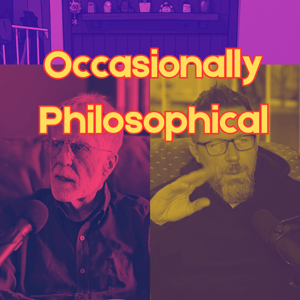


In this episode of Occasionally Philosophical, my dad (Doug) and I dig into the strange ways Artificial Intelligence is shaping the world—and what it means for how we live. We talk about the idea of “AI psychosis,” where people end up validated or even radicalized by chatbots that are a little too agreeable. From stories of folks writing thousand-page “AI-assisted” philosophies to the temptation of using chatbots for companionship, we ask what happens when machines never tell us we’re wrong. My dad shares his perspective from decades of thinking about intelligence and technology, while I wrestle with what it means to live and work inside systems that push overconsumption, like my job selling cars. Together, we dive into the AI hype bubble, the rise of “AI slop,” and how propaganda ties into all of this—drawing from Edward Bernays’ book Propaganda and how it shaped the way we think about persuasion. We also talk about climate change, “accidental hypocrisy,” and the impossibility of being perfectly sustainable in capitalism. Instead of top-down solutions, we land on something more hopeful: the power of small, local actions that actually make a difference. We close with a listener’s question about stoicism, and why leaning on philosophy might help us stay grounded in chaotic times. If you’ve ever wondered how AI, propaganda, and climate change connect to the way we live day-to-day, this conversation between a father and son might give you something new to think about. 👉 I’d love to hear your thoughts in the comments—have you had any strange or unsettling interactions with AI?
Are your beliefs truly your own—or have they been shaped by propaganda, advertising, and hidden influences? 🤔 In this episode of Occasionally Philosophical, Mark and Doug dive into the legacy of Edward Bernays, the “father of public relations,” and how his ideas still echo in today’s influencer economy. From bacon breakfasts and cigarette ads to modern debates over White Fragility and AI bias, we explore how identities, opinions, and even “truth” itself get sold to us. Join us as we ask tough questions: How much of what we believe is authentic, and how much is manufactured? Can AI help us uncover bias—or does it just reinforce it? And what’s the first step toward reclaiming genuine dialogue and understanding? 🎧 Tune in, think deeper, and let’s challenge the stories we’ve been sold.
In this episode of Occasionally Philosophical, Doug and Mark take a raw, honest journey through some of the hardest truths we face today. It begins with a personal moment of denying someone’s lived reality, then expands into America’s deep struggles with race relations — from police brutality and microaggressions to the quiet advantages of whiteness. The conversation shifts to capitalism’s relentless drive for growth, wealth inequality, and why “enough” is never enough in our current system. Finally, the hosts explore the promises and dangers of artificial intelligence — from helpful tools and bias reinforcement to the unsettling possibility of AI leading people down destructive rabbit holes.
In this episode of Occasionally Philosophical, my dad (Doug) and I revisit Ishmael by Daniel Quinn — a book that really influenced both of us when we first read it. But this time, we take a more critical look. We talk about the way Ishmael romanticizes “leaver” cultures and whether it oversimplifies the evolution of society and human behavior. From there, the conversation opens up into a broader reflection on capitalism — how it shapes the way we live, the illusion of choice, and what it feels like to be trapped inside a system that defines so much of our lives. We wrap up by talking about our personal experiences using AI tools like ChatGPT. They’ve been helpful for things like writing emails or planning content, but they also come with real concerns: false information, overly agreeable responses, and how relying on them might dull our own thinking and emotional depth. This one was layered, honest, and challenged both of us to rethink what we thought we knew.
What if everything you’ve been taught about progress, success, and civilization... was just a story? In this episode, we dive deep into Ishmael by Daniel Quinn and explore how Mother Culture — the invisible narrator of our lives — still speaks through the world around us. From factory farms and environmental collapse to hustle culture, school systems, and the myth of human supremacy, we unpack the real-life consequences of listening to the wrong voice for too long. Featuring powerful quotes from the book, real-life examples from current U.S. news, and candid reflection, this episode challenges you to start hearing the stories you've been told — and maybe rewrite them. 🌱 “You’re not doomed. You’re just enacting a story that puts you on a collision course with disaster.” – Ishmael 📚 If you haven’t read Ishmael, don’t worry — this episode stands on its own, but you might just pick up the book after. 🧠 Stay curious. Stay questioning. Stay philosophical.
Occasionally Philosophical – Episode 1: “The Gorilla in the Room” Welcome to the first episode of Occasionally Philosophical, where big questions meet everyday conversations. In this episode, we dive into the book that started it all for us — Ishmael by Daniel Quinn. This powerful novel, featuring a telepathic gorilla and a philosophical journey through the myths of modern civilization, reshaped how we view the world. We explore what drew us to the book, why it’s still relevant today, and how it led to the creation of this podcast. 📚 Topics covered in this episode: Why we started this podcast A summary of Ishmael and its key themes What "Mother Culture" really means A mind-bending reinterpretation of the Adam and Eve story What questions we’re asking — and why they matter 🔍 Featured Quotes from Ishmael: “You’re captives of a civilizational system that more or less compels you to go on destroying the world in order to live.” “There is no one right way to live.” 👀 Next episode: We'll dive deeper into Mother Culture and explore the ways her influence shows up in our daily lives — from schools and media to politics and beyond. 👉 Subscribe for more thoughtful conversations, and leave a comment to let us know your thoughts on Ishmael or your own philosophical questions. Let’s get occasionally philosophical — together.
From the publisher's feed
Occasionally Philosophical is what happens when a father and son (Doug and Mark) sit down with microphones and way too many questions about life. We’re not professors, we’re not gurus — we’re just…