
Sign up to save your podcasts
Or

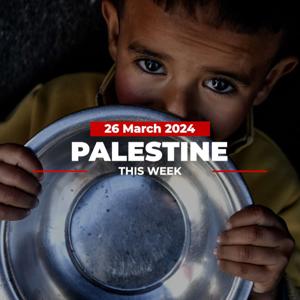


Israel assassinated Hezbollah chief Hasan Nasrallah in a Beirut suburb on Friday. Since 23 September at least 7 Hezbollah leaders have been killed in Israeli strikes on Lebanon, is this the end of the Lebanese resistance group? Or is Israel's very survival reliant on the existence of its enemies?
In the latest episode of Palestine This Week, host Nasim Ahmed and guest Mouin Rabbani provide an analysis of Israel's assassination of Hezbollah leader Hassan Nasrallah. The show opens with a detailed examination of this high-profile targeted killing, exploring its historical context within Israel's long-standing strategy of assassinations and its potential implications for regional stability.
The discussion looks into the strategic significance of Nasrallah's assassination, questioning whether such tactical victories truly bring Israel closer to its goals of security and legitimacy. Rabbani offers expert insights into Hezbollah's potential successors and the organisation's future trajectory in light of last week’s assassination.
The conversation then broadens to explore wider geopolitical ramifications, including Iran's dilemma in responding to the assassination, the role of the US in the killing, and the concept of Israel's 'forever war'. Despite decades of assassinations, killing and illegal occupation, the apartheid state is yet to find peace and security. Why is that the case? And will the latest assassinations of several senior Hezbollah members bring Israel closer to peace and security?
We also examine Zionist ideology and its reliance on the existence of enemies, offering viewers a deeper understanding of why Zionism needs a constant supply of foes to survive.
Israel is said to have orchestrated the attack on alleged Hezbollah operatives in Lebanon, but which ultimately killed civilians including two children. Are its actions in Lebanon pushing the region to war?
In the latest episode of Palestine This Week host Nasim Ahmed and guest Mouin Rabbani provide an in-depth analysis of Israel’s shocking attack on Lebanon. The show opens with a detailed look at what many have described as an act of terrorism by the occupation state, after it used booby-trapped pagers and other communications devices to kill alleged Hezbollah members in Lebanon. We explore the motives behind the attack and its potential ramifications, whilst considering the ethical and legal questions surrounding the weaponisation of everyday electronic devices and its impact on global trust in Israeli technology.
The discussion then shifts to Hezbollah's response, including their recent rocket attacks on Israeli territory and examines whether these events could lead to a full-scale military confrontation.
Rounding out the episode, the hosts explore other significant regional developments, including Israel's closure of Al Jazeera's offices in the occupied West Bank and the recent UN General Assembly resolution calling for an end to Israel's occupation of Palestinian land and what will come from this vote.
The Jewish Chronicle in the UK, the world's oldest Jewish paper, has been accused of peddling misinformation in an effort to garner support for Israeli Prime Minister Benjamin Netanyahu's genocidal war on Gaza, is this further proof that Tel Aviv hasn't been able to achieve its declared goals in Gaza?
In this episode of MEMO's weekly review, host Nasim Ahmed and guest Mouin Rabbani discuss the latest round of killing of Israeli hostages by their own government. They examine Palestinian Prime Minister Mohammad Mustafa's ambitious 'day-after' plan for Gaza, while also exploring what UNRWA chief Philippe Lazzarini has described as the systematic targeting of the agency's infrastructure and staff.
The conversation turns to the internal political tensions in Israel, with Prime Minister Benjamin Netanyahu reportedly considering the dismissal of Defence Minister Yoav Gallant over disagreements on military strategy. The podcast then examines the shocking revelations that Israel is offering residency status to African asylum seekers in exchange for participating in dangerous military operations in Gaza and the purported proposal to Hamas leader Yahya Sinwar for safe passage out of Gaza.
Wrapping up the episode, Ahmed and Rabbani tackle media ethics and international diplomacy. They critically analyse the accusations against the UK's Jewish Chronicle newspaper of becoming a propaganda tool for Netanyahu, and reflect on the fourth anniversary of the Abraham Accords and their impact on the Middle East.
The episode offers listeners a clear and incisive analysis into the latest stage of Israel’s ethnic cleansing and genocide in Palestine.
Israel has damaged some 25 kilometres of roads in occupied Jenin and killed an American peace activist, but will any of this bring positive change for Palestinians? Or will Israel continue its assaults with impunity?
This episode tackles the expansion of Israel’s genocidal campaign into the illegally occupied West Bank, with a focus on Israel's military assaults in Jenin and the tragic killing of American-Turkish activist Aysenur Ezgi Eygi. We'll examine the provocative and genocidal rhetoric surrounding the assault on the West Bank and explore the historical significance of Jenin as a centre of resistance.
The conversation then shifts to the ongoing crisis in Gaza, where we'll discuss the alarming spread of infectious diseases amidst a humanitarian catastrophe. We'll analyse Israel's appointment of a 'Chief Gaza Officer' and what it might signal for the future of the region. Plus, we'll delve into recent developments, including the UN's accusation of Israel conducting a 'starvation campaign' and ABC News' coverage of controversial events from 7 October.
Finally, we'll explore the heated debate over control of the Philadelphi Corridor and its impact on potential ceasefire negotiations. With insights on Israel's internal criticisms and the stark warnings from retired Major General Yitzhak Brik about Israel's imminent collapse.
Don't miss this crucial discussion on some of the most pressing issues shaping the Middle East today.
Settler violence against Palestinians in the occupied West Bank is at an all time high, with Israeli ministers backing and arming settlers in an effort to push Palestinians out of their homes and allow for the annexation of their land. But with the head of Israel's security agency Shin Bet referring to this phenomena 'Jewish terrorism', will the policing of settlers be enforced or will occupation forces continue to provide cover for their atrocities?
This week's episode of Palestine This Week opens with a discussion about how Israel has effectively kept Palestinians in Gaza in a 'concentration camp' since the 1950s. The discussion draws on the description by Lt Gen E.L.M. Burns, a Canadian military officer who served as Chief of Staff of the United Nations Truce Supervision Organisation in 1954. Burns' characterisation of Gaza as a 'vast concentration camp' underscores the enduring nature of Palestinian suffering and the decades-long failure of the international community to address this crisis.
Against this historical backdrop, host Nasim Ahmed with guest Mouin Rabbani delve into current developments in the region and examine the call by the ICC prosecutor to reject the objections and delaying tactics against the issuing of arrest warrants against Israeli leaders. They also explore recent revelations surrounding Israeli hostages and military assault in Gaza, including further evidence of Israeli forces killing their own hostages in the besieged enclave.
The conversation then turns to warnings from Hamas and Palestinian Islamic Jihad about potential 'martyrdom attacks'. This discussion provides historical context for such tactics and considers their implications for the current situation. The hosts also address the escalating Jewish settler violence in the occupied West Bank, as highlighted by Israel's own security agency, who described settlers as 'Jewish terrorists'.
The podcast concludes with an analysis of current ceasefire proposals and escalation of violence in Lebanon.
Don't miss this compelling episode of MEMO's Palestine This Week, where Ahmed and Rabbani offer invaluable insights into Israel’s occupation of Palestine, from its historical roots to its current genocide.
Join us this week as Nasim Ahmed and Mouin Rabbani reflect on the rising death toll in Gaza, which now stands at over 40,000 - 2 per cent of the population of the Strip - and discuss what this means, while comparing the fatality numbers with recent wars.
We're not just sticking to the numbers, we'll be looking at the bigger picture - from the radicalisation of Israeli society to the worrying rise in settler violence in the occupied West Bank, where there has been another settler-led pogrom against Palestinians, and civil servants in UK resigning over the Gaza genocide.
The surprising news of Palestinian President Mahmoud Abbas planning a visit to Gaza will be discussed, and we'll be unpacking the latest on US Secretary of State Antony Blinken's visit to Israel and what it could mean for ceasefire talks. We'll also be touching on the shocking reports on the use of Palestinian civilians as human shields by Israeli occupation forces in Gaza and Saudi Crown Prince Muhammed Bin Salman's fear that he will be assassinated if Riyadh normalises relations with Israel.
Tune in as Nasim and Mouin break it all down, giving you the insights you need to make sense of the latest news.
Israel hit a shelter school and mosque in Gaza City on Saturday and killed more than 100 Palestinians civilians as they were performing morning prayers, it claims to have killed 19 'militants' but this has already been proven to be untrue. Can Israel continue to spread falsehoods to justify its genocide in Gaza?
This week's Palestine This Week examines the grisly aftermath of Israel's air strike on a Gaza City school sheltering Palestinians, resulting in the death of over 100 Palestinians and injuring many more. The devastating strike has drawn international condemnation and raised serious questions about the ethics and justifications used in Israel’s military conduct. We unpack the claim that the strike targeted Palestinians fighters, which has been debunked.
We also analyse the genocidal statement by far-right Israeli Finance Minister Bezalel Smotrich, who said it was 'justified and moral' to starve 2 million Palestinians in Gaza. Referencing Hannah Arendt's 1955 observation about the treatment of Palestinians in Israel, we discuss the normalisation of genocidal rhetoric in Israeli politics and its dangerous implications.
Host Nasim Ahmed and guest Mouin Rabbani also discuss Israeli right group B’Tselem's latest report on the systematic mistreatment of Palestinians in Israeli prisons, described as “institutionalised abuse”, before looking into the recent appointment of Yahya Sinwar as the new political leader of Hamas.
Finally, the show examines the international community's response to Israel's decision to revoke diplomatic status to Norwegian envoys and a Japanese mayor's unprecedented decision to disinvite Israel from the Nagasaki commemoration ceremony.
Join the conversation and stay informed with MEMO's weekly review show.
As the region teeters on the edge of war, we look at how Israel's actions and targeted assassinations over the past week have pushed an already volitile situation even closer to the edge and discuss what options may be on the cards now.
Video footage emerging from Israel shows civilians storming the military base where at least 9 soldiers were being held for questioning over suspected torture of a Palestinian prisoner. The angry mob called authorities 'traitors', while National Security Minister Itamar Ben-Gvir tweeted 'take your hands off our reservists'. Is Israel now so divided that a civil war is unavoidable?
In this episode of Palestine This Week we begin with the news about the Sde Teiman detention centre which the Israeli Military Police raided on Monday, detaining nine soldiers on suspicion of abusing a Palestinian detainee. This notorious prison has held hundreds of Palestinians in horrific conditions since 7 October, with allegations of sexual abuse, including rape and torture and has been ordered to be closed by the attorney general. The raid created a political storm in Israel, with many protesting against the detention of reservists.
The conversation then moved on to the weekend’s deadly attack on the Israeli-occupied Golan Heights, setting Israel’s annexation of Syrian territory and its illegal occupation within a broader historical context.
The International Court of Justice ruled that Israel's occupation of the West Bank and East Jerusalem are illegal and Israel must not only end its apartheid policies but also pay reparations to Palestinians. This isn't the first time the ICJ has ruled against Israel, but 20 years after its ruling on the Separation Wall, the structure remains standing and has been expanded. Does international law apply to the occupation state?
Join us for MEMO's weekly review with Nasim Ahmed and special guest Mouin Rabbani, where we take a deep dive into the key events from over the past week. On this week's podcast we discuss the groundbreaking ruling by the International Court of Justice (ICJ) on Israel's occupation and its far-reaching implications. From dissecting the many Israeli violations outlined in the judgment to exploring how this decision reshapes our understanding of the events of 7 October, this episode promises to challenge your perspective on international law and the Israel-Palestine conflict.
Nasim and Mouin also tackle the burning question of whether Israel is effectively "gaming" the international system. They'll examine how Israel's approach to international law compares to that of other nations, and what this means for the future of global diplomacy. Plus, don't miss their insights on the recent Israeli attack on the Yemeni port city of Hudaydah, Yemen’s ability to target the occupation state directly and the spike in Israelis leaving the country. Plus, we ask if President Biden will be remembered for rescuing US democracy, as his supporters claim or as the president who worked hand in glove with Israel to execute a genocide?
Tune in for a riveting conversation that goes beyond the headlines. Whether you're a longtime follower of Middle East politics or just curious about the latest developments, this episode of Palestine This Week is sure to leave you with plenty to ponder.
From the publisher's feed
Palestine This Week with Nasim Ahmed is a weekly analytical review of the biggest stories coming out of Palestine.

1,461 Listeners

1,507 Listeners

6,109 Listeners

267 Listeners
562 Listeners

202 Listeners

4,445 Listeners
409 Listeners

605 Listeners

143 Listeners

2,457 Listeners
365 Listeners

471 Listeners
0 Listeners

0 Listeners