
Sign up to save your podcasts
Or

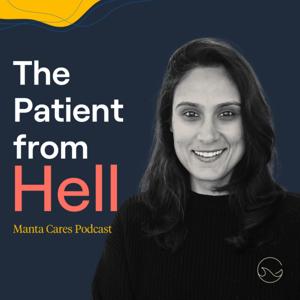


In this episode we speak with Roger Royse, a Silicon Valley lawyer and pancreatic cancer patient. Roger shares his experience navigating the healthcare system, discussing his approach to treatment, the emotional challenges he faced, and the insights he gained along the way. He emphasizes the importance of being proactive, questioning assumptions, and seeking multiple medical opinions. Roger also delves into the anger he felt during his experience and how he learned to channel it productively. Throughout the conversation, he offers valuable advice for both patients and their loved ones, highlighting the need for personal responsibility and careful communication.
Manta Maps are coming! Step-by-step subway maps that guide you through the entire cancer experience. Learn more here!
Key Highlights:
1. The importance of questioning medical assumptions, seeking multiple opinions, and being proactive in your treatment experience.
2. By controlling and channeling emotions like anger, patients can become more effective advocates for their own care.
3. An overview of the dos and don'ts of supporting a loved one facing a cancer diagnosis including the importance of careful communication, the power of offering practical help, and avoiding insensitive or unsolicited advice.
About our guest:
Roger Royse is a startup lawyer in Silicon Valley and a pancreatic cancer patient. Roger was diagnosed with stage 2B pancreatic adenocarcinoma in July 2022 after taking a multi cancer early detection blood test. After 6 months of chemotherapy and surgery and an experimental cancer vaccine, Roger currently has no evidence of disease as of July 2024.
Roger has been active for many years with the Leukemia Lymphoma Society having been its Bay area Man of the Year in 2012 and since his diagnosis has joined the board of the Cancer Patient Lab.org, a non profit dedicated to evidence based therapies and has created a community for cancer therapy technology startups to demo their solutions in person and online at www.cancerstartup.com. Roger has since testified to an FDA Advisory committee on multi cancer early detection and has been featured in many publications including the Wall Street Journal on MCED.
Roger believes in the patient being proactive and taking personal responsibility for their health and being very involved in their treatment decisions based on evidence based treatments.
Visit the Manta Cares website
Disclaimer: All content and information provided in connection with Manta Cares is solely intended for informational and educational purposes only. This content and information is not intended to be a substitute for medical advice, diagnosis, or treatment. Always seek the advice of your physician or other qualified health provider with any questions you may have regarding a medical condition.
In this episode we speak with Bellinda King-Kallimanis, PhD, an expert in oncology research and patient advocacy. Bellinda shares her diverse experience in the field, from academia to the FDA and now her role at LUNGevity Foundation. The conversation covers various aspects of lung cancer, including screening procedures, risk factors, and common misconceptions. Bellinda emphasizes the importance of early detection and addresses the stigma associated with lung cancer. We also delve into the Patient-Centered Outcomes Research Institute (PCORI) and a study comparing the impact of using different types of material to communicate screening information to patients. The episode also includes a rapid-fire Q&A section, where Bellinda provides concise explanations of key terms and concepts related to lung cancer.
This episode was supported by the Patient Centered Outcomes Research Institute (PCORI) and features this PCORI study by Robert J. Volk, PhD.
Key Highlights:
1. Lung cancer screening compliance is strikingly low at 5-6%, despite high risk for those with tobacco history, and additional requirements may further complicate the process.
2. Stigma surrounding lung cancer, primarily due to its association with smoking, can deter people from seeking screening or discussing their health history, despite the fact that people with no tobacco history or people who have not smoked can also develop the disease.
3. Patient involvement in research, through initiatives like citizen science programs, and improved communication of complex information are crucial for advancing lung cancer care and understanding.
About our guest:
Dr. Bellinda King-Kallimanis is Senior Director of Patient-Focused Research at LUNGevity Foundation. In her work at LUNGevity she aims to ensure that patient and caregiver voices are incorporated in decision making across a wide variety of stakeholders and has built a Citizen Scientist program to aid this. Prior to joining LUNGevity, she worked at the US Food and Drug Administration Oncology Center of Excellence on the Patient Focused Drug Development team. There, she worked on the development and launch of Project Patient Voice, a resource for patients and caregivers along with their healthcare providers to look at patient-reported symptom data collected from cancer clinical trials.
Bellinda also has experience in industry and academia and has published over 70 peer-reviewed papers. She received her Bachelor of Social Science and Master of Science in applied statistics from Swinburne University of Technology in Melbourne, Australia, and her PhD in psychometrics from the Academic Medical Center in Amsterdam, Netherlands.
Key Moment:
At 38:39 “I've taken it on to try to improve my communication as a researcher, because we spend so many years reading complex materials that you just start talking that way. It does not resonate with my family. They'll be like, what are you talking about? Who do you think you are? So if we really want to be able to talk to people and connect the work we do, then we have to be able to talk about it in much simpler terms. I really do think it's so important for us all to work on our abilities to make sure that we are speaking to each other versus, I've been in plenty of conversations where people are not speaking, they're just speaking around each other because there's a gap in the understanding and healthcare is already like very complex and cancer is really scary. So,just being aware of not talking in acronyms all the time.”
Visit the Manta Cares Website
Disclaimer: All content and information provided in connection with Manta Cares is solely intended for informational and educational purposes only. This content and information is not intended to be a substitute for medical advice, diagnosis, or treatment. Always seek the advice of your physician or other qualified health provider with any questions you may have regarding a medical condition.
Cancer care is difficult enough to navigate as someone with little to no healthcare/biology background, but what does it mean when a physician faces similar challenges within the healthcare system? Dr. Jean-Luc “JL” Neptune shares his compelling caregiver story of caring for his mother and father's cancer diagnoses simultaneously with the help of his sister. We delve into how his experience impacted his career, his outlook into the flaws of the healthcare system, and his perspective on what patients (and caregivers) can do to get the most out of their care.
Key Highlights:
1. Access to contextualized information is not easy; information online without context can be overwhelming and not specific to the patient.
2. The best source of information about your diagnosis and prognosis is likely a doctor in the field, but finding one with the time to fully inform you is not an easy feat either. Fee-for-service care is the current healthcare model, which arguably promotes quantity over quality. However, the tide is slowly but surely shifting towards value-based care.
3. To achieve the highest quality care today, the best thing you can do is advocate for yourself and seek multiple expert opinions. Keeping track of your symptoms is a good idea for effectively and efficiently contextualizing your treatment plan with your provider(s).
About our guest:
Jean-Luc (“JL”) Neptune, MD MBA is a physician executive, digital health leader, investor and advisor with 20+ years of experience in the health innovation space. Dr. Neptune most recently served as the CEO, Chief Medical Officer, and co-founder of Suntra Modern Recovery, which provided early addiction intervention and treatment services at scale. Prior to Suntra Modern Recovery Dr. Neptune was the founder of Athletik Health Inc., which operated modern sports medicine clinics offering the “athlete in everyone” outstanding clinical care and customer service. Dr. Neptune served as entrepreneur-in-residence at the Hospital For Special Surgery (“HSS”), the #1 rated orthopedic hospital in the United States, working closely with the leadership team of the HSS Innovation Institute. Dr. Neptune was also General Manager at Blueprint Health where he oversaw investments into dozens of digital health companies (including RubiconMD, NexHealth, Moving Analytics, and CleanSlate UV), and continues as a partner in the Blueprint investment funds. Dr. Neptune earned a BA from Columbia College at Columbia University, an MD from the Columbia College of Physicians and Surgeons, and an MBA at the Wharton School. Dr. Neptune completed a residency in internal medicine at New York Presbyterian Hospital and is licensed to practice medicine in the state of New York.
Key Moments:
At 10:55 “I've often debated with people online about access to information and really as a patient, should you be like going on the internet and looking at all these sites? And my argument is you shouldn't because unless you can contextualize this information, make it specific to you and cut out all of the noise from the signal, you're probably only making yourself more stressed out, more confused by seeking information from all these places.”
Visit the Manta Cares website
Disclaimer: This podcast is for general informational purposes only and does not constitute the practice of medicine, nursing or other professional health care services, including the giving of medical advice, and no doctor/patient relationship is formed. The use of information on this podcast or materials linked from this podcast is at the user's own risk. The content of this podcast is not intended to be a substitute for professional medical advice, diagnosis, or treatment. Users should not disregard, or delay in obtaining, medical advice for any medical condition they may have, and should seek the assistance of their health care professionals for any such conditions.
Brad Power, the co-founder and CEO of the Cancer Patient Lab, shares his insight on a multitude of topics such as: the challenges of innovating healthcare, the importance of personalized care, and Brad’s personal experience with cancer.
Key Highlights:
1. Large organizations are resistant to change, making it difficult to innovate within the healthcare industry.
2. Personalized care is the future of healthcare, allowing for tailored treatments and better outcomes.
3. Patients should educate themselves, seek second opinions, and actively participate in decision-making about their care.
About our guest:
Brad Power is the co-founder and CEO of the Cancer Patient Lab, a patient-led learning community for cancer patients and caregivers navigating testing and treatment decisions beyond the standard of care, and founder of the CancerHacker Lab, which also helps startups that are disrupting the status quo in cancer care. In 2018 Brad was a process innovation researcher and consultant with over 35 years experience and an author of over 75 articles for the Harvard Business Review when he was diagnosed with lymphoma. Brad went through a standard course of chemotherapy, which led to "no evidence of disease" for four years, until it recently recurred. In late 2020 Brad was talking to his friend Bryce Olson, who said he had hit a wall in keeping his metastatic prostate cancer at bay. Brad suggested to Bryce that they could run a hackathon (a collaborative effort of a diverse crowd of experts) for him to find his best next treatment option, which they did. Brad then hosted two hackathons: one for Linnea Olson, a lung cancer patient, and another for Kasey Altman, a young woman with a rare cancer. In 2022 Brad launched Cancer Patient Lab with two advanced prostate cancer patients. Brad hopes to make hackathons and other resources available to many more patients who are facing complex testing and treatment decisions. Brad is a founding member of ennov1; an advisor to 4DPath, Alva10, Cancer Commons, Consuli, Rabble Health, and Travera; and is an active contributor to the Personalized Medicine Coalition.
Key Moments:
At 2:04 “Software is easy to change and people are hard to change.”
At 24:56 “If I'm a doctor and let's say I'm in a community hospital environment, which is 80% of where cancer gets treated, and I'm dealing with a dozen or two dozen different kinds of cancer, I may not know. I had a patient that looked like you six months ago or a year ago, and this was the best thing at that time. Therefore, this is the best thing for you. And the patient says, no, did you not know about bispecifics or whatever the immunotherapy is or whatever the new, new thing is? And so the patient who's coming in fresh with open eyes finds things that the doctor who spends his or her life doing this kind of work is not able to keep up with.”
At 42:12 “Cancer Patient Lab is the patient-led learning community that I co-founded that is a source of education and services for advanced cancer patients outside of the standard of care.”
Visit the Manta Cares website
Disclaimer: This podcast is for general informational purposes only and does not constitute the practice of medicine, nursing or other professional health care services, including the giving of medical advice, and no doctor/patient relationship is formed. The use of information on this podcast or materials linked from this podcast is at the user's own risk. The content of this podcast is not intended to be a substitute for professional medical advice, diagnosis, or treatment. Users should not disregard, or delay in obtaining, medical advice for any medical condition they may have, and should seek the assistance of their health care professionals for any such conditions.
Janice Cowden, retired nurse and patient advocate, shares her remarkable triple negative breast cancer (TNBC) story. Five years following successful treatment for stage one breast cancer in 2011, Janice was diagnosed with a stage 4 metastatic TNBC recurrence. As of today she has 8 years of no evidence of disease (NED) under her belt. She shares how she stumbled upon the cancer community that inspired her to become the advocate she is today and the uncertainty that comes with NED. She also shares how she copes with losing friends in the cancer community through her patient advocacy work. We also have a rapid fire Q&A where she answers questions surrounding various medical terminologies, diagnoses, and more to keep you in the loop.
NOTE: There is one clarification from the rapid fire Q&A session. The definition of disease free survival (DFS) is the time from random assignment (used in clinical trials and research studies to assign participants to different groups) to cancer recurrence or death from any cause (Gutman SI, Piper M, Grant MD, et al. 2013).
Manta Maps are coming! Step-by-step subway maps that guide you through the entire cancer experience. Learn more here!
Key Highlights:
1. Metastatic breast cancer (MBC) is stage four breast cancer that has spread to distant sites in the body.
2. Finding events and communities centered around cancer not only supports cancer patients emotionally and socially, but can also serve as informational hubs. Being proactive in learning about your diagnosis, whether it’s through community and/or research on your own time, can help you feel confident with the choices you make.
3. While finding a community of other cancer patients can help, unfortunately this disease means that you will lose friends you make in these settings. It doesn’t necessarily get easier, but finding an outlet to cope with such losses is vital to your wellbeing.
About our guest:
Diagnosed with Stage IV triple negative breast cancer in 2016, five years after an early-stage breast cancer diagnosis, Janice launched into patient advocacy following training through Living Beyond Breast Cancer’s (LBBC) Hear My Voice Outreach program in 2017. As a peer-to-peer support and research patient advocate, Janice is passionate about supporting others with metastatic breast cancer, in addition to continually furthering her scientific knowledge base of this disease, treatments, and clinical trials, which she acquires through attending scientific breast cancer conferences and webinars. Janice is involved with several patient-founded and led organizations including PCDI, GRASP, and Project Life MBC. As a trained peer support volunteer, she is founder of an international online peer support group for patients newly diagnosed with MBC. She serves on the Board of Directors for METAvivor Research and Support Inc., and is an Advisory Board member for Project Life MBC. She is an individual member of the Metastatic Breast Cancer Alliance. When she’s not busy with advocacy work, Janice enjoys traveling, reading, outdoor activities, and spending time with family, including her husband, two adult children and three grandchildren.
Visit the Manta Cares website
Disclaimer: This podcast is for general informational purposes only and does not constitute the practice of medicine, nursing or other professional health care services, including the giving of medical advice, and no doctor/patient relationship is formed. The use of information on this podcast or materials linked from this podcast is at the user's own risk. The content of this podcast is not intended to be a substitute for professional medical advice, diagnosis, or treatment. Users should not disregard, or delay in obtaining, medical advice for any medical condition they may have, and should seek the assistance of their health care professionals for any such conditions.
In this episode, Dr. Doug Blayney, oncologist, former President of the American Society of Clinical Oncology (ASCO), and the Chief Medical Officer of Manta Cares, discusses the latest advancements in breast cancer treatments presented at ASCO’s 2024 Annual Meeting. He highlights the significant progress in antibody drug conjugates (ADCs), which are engineered to specifically target cancer cells, offering new hope in cancer treatment. The Manta Cares team also attended the ASCO conference, presenting an abstract for a personal treatment management tool designed to assist cancer patients and survivors (and their families!) in navigating their next steps – Manta Maps!
Manta Maps are coming! Step-by-step subway maps that guide you through the entire cancer experience. Learn more here!
Key Highlights:
1. Advancements in breast cancer treatment were highlighted at the ASCO Annual Meeting this year, including alternatives to chemotherapy and the emergence of antibody drug conjugates (ADCs).
2. Checkpoint inhibitors help the immune system recognize and attack cancer cells by removing the "brakes" that prevent the immune system from targeting the cancer.
3. Personalized approaches to treatment based on patient age, co-morbidities, and cancer type, were highlighted, leading to more effective and tailored treatments.
About our guest:
Dr. Doug Blayney is an oncology physician who specializes in breast cancer. His research focuses on quality improvement in cancer care systems, new drug development, and patient experience improvement. At the American Society of Clinical Oncology (ASCO), he was founding Editor-in-Chief of its flagship practice journal, and as President, started the ASCO Quality Symposium and began planning for ASCO’s CancerLinq. He was a founding member of the National Comprehensive Cancer Network (NCCN) Growth Factor Guideline panel, and is a past member of the U.S. Food and Drug Administration’s Oncology Drugs Advisory Committee and the NCCN Board of Directors. Dr. Blayney leads the Manta Cares Scientific Advisory Board as the Chief Medical Officer.
Key Moments:
At 1:05 "As a doctor who treats breast cancer, I thought it was important that we have a lot of alternatives to chemotherapy. So even though some of the studies were portrayed as negative because they didn't improve overall survival, I think pushing out the time a patient gets chemotherapy and its associated toxicities is a major advance.”
At 21:14 "We need better assays to predict who's going to respond to these ADCs (Antibody Drug Conjugates). We're learning that they're here to stay and they're a great benefit to many with breast cancer and other cancers."
At 35:20 “It's thought that you and people without known cancer, develop one or two cancers a day, small little bitty ones and our body's immune system recognizes that as foreign and eats them up and the cancer doesn't grow and proliferate. One of the ways cancer grows, especially in adults, is immune escape. So somehow the brakes are put on the immune system at some point when that cancer develops. The IO checkpoint inhibitors are thought to work by taking off those brakes.”
Visit the Manta Cares website
Disclaimer: This podcast is for general informational purposes only and does not constitute the practice of medicine, nursing or other professional health care services, including the giving of medical advice, and no doctor/patient relationship is formed. The use of information on this podcast or materials linked from this podcast is at the user's own risk. The content of this podcast is not intended to be a substitute for professional medical advice, diagnosis, or treatment. Users should not disregard, or delay in obtaining, medical advice for any medical condition they may have, and should seek the assistance of their health care professionals for any such conditions.
Cecilia Lang-Ree shares her experience as a childhood survivor of acute lymphoblastic leukemia. She shares some of her memories as an inpatient, her struggles with fitting in with her peers at school, and the evolution of her identity in relation to her survivorship. She also shares her discovery of her fertility issues and the importance of discussing fertility as early on as possible as a cancer patient. She ends the episode with powerful advice about owning your survivorship and the resources available for cancer survivors.
Visit the Manta Cares website & sign up for the access list for our digital platform coming soon!
Key Highlights:
1. Being a cancer survivor, especially at a young age, significantly affects one's life and identity, often leading to phases of uncertainty, denial, and willful ignorance. Embracing your survivorship can lead you to people who are also in your shoes, and through connections you can find resources that will support your survivorship-specific needs.
2. The AYA (Adolescent and Young Adult) community plays a crucial role in providing support and understanding for young cancer patients.
3. Discovering fertility issues can be emotionally challenging, emphasizing the need for early conversations about fertility options like egg and embryo freezing. Survivorship clinics and self-advocacy are key in navigating these preservation options as well as other side effects of cancer treatments.
About our guest:
Cecilia Lang-Ree is a childhood leukemia survivor, advocate, and healthcare Product Manager born and raised in the Bay Area. Since her diagnosis at age 4, Cecilia's personal and professional mission has become to make prevention information accessible to all. At work, she combines product strategy, user savvy, and her academic background in chronic disease prevention & behavioral design to pioneer consumer products that help people lead healthier, happier lives.
Currently, Cecilia is the Senior Product Manager at Biolinq, a medical device company developing a minimally invasive glucose monitoring sensor for metabolic health. Cecilia holds an M.S. and B.A. from Stanford University, and outside of work enjoys hiking, skiing, trying new restaurants in San Francisco, and hanging out with her husband, Christian, and beloved family!
Key Moments:
At 6:55 “I was very lucky that I had parents who could read scientific journal articles. They could read my clinical protocol and understand the potential side effects and take action to prevent them. They could be my advocates with doctors and nurses, but I saw firsthand that most of the other kids in the hospital did not have that. Many were children of undocumented immigrants or folks just did not have access to that kind of information. And so for me, that has really sparked, in my career, this passion for prevention, early detection, and really knowing that health data and health knowledge is power.”
At 11:39 “I didn't want the attention. I wanted so badly just to fit in and be normal. I didn't want anybody to know, push it away, push it away, push it away. Don't put this intention on me. I never wanted anybody to mention the C word, cancer, because when the C word got dropped in the classroom or anywhere else, it just changed the energy in the room.”
Disclaimer: This podcast is for general informational purposes only and does not constitute the practice of medicine, nursing or other professional health care services, including the giving of medical advice, and no doctor/patient relationship is formed. The use of information on this podcast or materials linked from this podcast is at the user's own risk. The content of this podcast is not intended to be a substitute for professional medical advice, diagnosis, or treatment. Users should not disregard, or delay in obtaining, medical advice for any medical condition they may have, and should seek the assistance of their health care professionals for any such conditions.
Emily Capilouto, a medical anthropologist and cancer advocate, discusses the topics of medical anthropology, fertility preservation, and IVF. She also shares her work in oncology and raising awareness about prostate cancer. The conversation includes a rapid-fire Q&A session on fertility treatments and options. The main takeaways include the importance of early discussions about fertility for cancer patients, the role of reproductive endocrinologists in managing fertility treatment, and the various options available for creating a family outside of IVF. Emily shares her personal experience with IVF and the challenges she faced due to legal and financial barriers where you’ll probably find some relatable issues that extend beyond fertility treatments.
Visit the Manta Cares website & sign up for the access list for our digital platform coming soon!
Key Highlights:
1. Early discussions about fertility are important for cancer patients and their families.
2. Fertility preservation techniques, such as egg freezing and embryo freezing, can help cancer patients preserve their fertility. There are also various options available for creating a family outside of IVF, including surrogacy, adoption, and fostering.
3. Legal and financial barriers, such as lack of insurance coverage and restrictive laws, can significantly impact access to not only IVF care but other branches of medicine.
About our guest:
Emily completed a Masters of Public Health in Epidemiology at the University of Alabama at Birmingham in 2012 and a Masters of the Arts in Medical Anthropology at the University of Kentucky in 2018. Her academic research focused on the detection and prevention of reproductive cancers and access to reproductive healthcare in domestic and international settings. She has worked in the nonprofit sector for the last fifteen years at the local, state, and federal level. When not focusing her efforts on health promotion, Emily is forever working to complete her classical Pilates teacher certification, loves curling up with a good mystery or thriller novel, and enjoys spending time with her friends, family, and husband.
Key Moments:
At 14:40 “So many cancer patients choose to use fertility treatments because there is a chance that treatments and surgeries that they will undergo to fight cancer can impact fertility. That is true for both men and women.”
At 35:59 “The Alabama Supreme Court ruled that embryos have the same legal status as children, disrupting IVF care in the state. Most clinics, including mine, halted services due to potential legal risks. This ruling stemmed from a lawsuit referencing the Wrongful Death of a Child Act after a patient's embryos were accidentally destroyed. The plaintiffs did not intend for their lawsuit to affect other families seeking IVF, but the ruling had widespread consequences. For about three weeks, the legal status of embryos as children meant mishandling them could be considered homicide, and transferring embryos out of state was impossible.”
At 49:47 “I had someone this week tell me that navigating cancer is like getting a PhD. You have to get the PhD to be able to navigate cancer. I had another person tell me that the trauma of getting through the healthcare system is worse than the trauma of getting the cancer diagnosis.”
Disclaimer: This podcast is for general informational purposes only and does not constitute the practice of medicine, nursing or other professional health care services, including the giving of medical advice, and no doctor/patient relationship is formed. The use of information on this podcast or materials linked from this podcast is at the user's own risk. The content of this podcast is not intended to be a substitute for professional medical advice, diagnosis, or treatment. Users should not disregard, or delay in obtaining, medical advice for any medical condition they may have, and should seek the assistance of their health care professionals for any such conditions.
This episode features Aurora Lucas sharing her experience navigating stage 3A lung cancer, starting from her symptoms and misdiagnosis to her eventual diagnosis and targeted treatment. She shares aspects of her story that all of us can relate to: insurance problems, delays, being rushed into life altering decisions, and more. She also talks about the impact of her diagnosis on her fertility and the decision to undergo fertility treatments before starting treatment. She highlights the need for open conversations about taboo topics like fertility in young cancer patients. Today Aurora is active in patient advocacy and shares her story with the hope that listeners like you can find comfort and community in this tough diagnosis.
Manta Maps are coming! Step-by-step subway maps that guide you through the entire cancer experience. Learn more here!
Key Highlights:
1. Advocating for oneself is crucial in the healthcare system, especially for cancer patients. This includes getting a second opinion to explore alternative treatment options and biomarker testing, engaging in open conversations about taboo topics with your doctors, and connecting with survivor communities and support through social media.
2. Misdiagnosis and delays in diagnosis can significantly impact a patient's treatment journey. Newly diagnosed patients should try to come prepared with questions and a notebook to medical appointments, and seek support from survivor communities for accurate information and guidance.
3. Grappling with the uncertainty about the future is a common struggle for cancer patients. Finding ways to cope, live in the present moment, and reevaluate priorities, including the importance of healthy relationships, are key aspects of navigating a cancer diagnosis.
About our guest:
Aurora hails from the land of 7,000 islands, the Philippines. Having left her country at the age of 9 and becoming a part of the Filipino diaspora, Aurora continues to see the world from different perspectives. She is fluent in Tagalog, English, and is learning Spanish. Aurora was diagnosed with Non Small Cell Lung cancer at the age of 28, during her 2nd year of her EdD in Leadership program. She is now 31 years old, and in the final stretch of her EdD program. Aurora is fiercely committed to co-creating conversations that are centered on serving BIPOC patients, and their communities. During her free time, she loves looking for coffee shops, journaling, taking photos and videos, as well as learning new languages. You can find Aurora on: Substack, Instagram, TikTok
Key Moments:
At 07:46 "I remember this one resident, she held my hand and was staring at me. I thought, okay, she's trying to tell me something but can't because she's not my actual doctor. They kept staring at my hands, lifting them up, and looking at my fingers without explaining. I later found out that curving of your fingers can be a symptom of lung cancer."
At 15:55 "I distinctly remember being told about cancer not by the healthcare system or anyone I knew. Someone recently asked me, doesn't the doctor call you for an in-person appointment? I said, no, the odds are Dr. Google is the one telling you. That's the reality."
At 26:23 "Every time I saw that speaking up actually changed things to how I wanted, it gave me more confidence."
Visit the Manta Cares website
Disclaimer: This podcast is for general informational purposes only and does not constitute the practice of medicine, nursing or other professional health care services, including the giving of medical advice, and no doctor/patient relationship is formed. The use of information on this podcast or materials linked from this podcast is at the user's own risk. The content of this podcast is not intended to be a substitute for professional medical advice, diagnosis, or treatment. Users should not disregard, or delay in obtaining, medical advice for any medical condition they may have, and should seek the assistance of their health care professionals for any such conditions.
In this episode, Dr. Geoff Oxnard, a thoracic oncologist, discusses his career journey into oncology and shares insights from his experience treating lung cancer patients and conducting research. He emphasizes the increasing role of precision medicine and genomic and biomarker testing in guiding treatment decisions, providing examples of how identifying specific mutations can lead to dramatically better outcomes with targeted therapies. Dr. Oxnard also highlights the changing narrative surrounding lung cancer, with emerging stories of remarkable responses and newfound optimism as treatments improve. He provides perspective on navigating clinical trials, especially for rare genomic subtypes, and shares his motivations for transitioning from academia to the pharmaceutical industry, driven by a desire to have a larger impact on drug development and patient care.
Key Highlights:
1. The increasing role of precision medicine and genomic testing in guiding lung cancer treatment decisions.
2. The changing narrative and renewed optimism surrounding lung cancer, as treatments improve and stories of remarkable responses emerge.
3. Dr. Oxnard's transition from academia to the pharmaceutical industry, driven by a desire to have a larger impact on drug development and patient care.
About our guest:
Geoff Oxnard, M.D., is the Vice President, Clinical Development, Global Head, Thoracic Cancer at Loxo@Lilly. Previously, Dr. Oxnard served as a thoracic oncologist and clinical-translational researcher at Dana Farber Cancer Institute and was also an Associate Professor of Medicine at Harvard Medical School. Dr. Oxnard received his BA in chemistry from Harvard University and his MD from the University of Chicago-Pritzker School of Medicine. He completed his residency in internal medicine at Massachusetts General Hospital and completed his fellowship in medical oncology at Memorial Sloan-Kettering Cancer Center. As an experienced oncologist, Dr. Oxnard is passionate about raising awareness of thoracic cancer and helping to make an impact on cancer care.
Key Moment:
8 minutes: “It starts with precision therapy, if I may, right? Once you have defined a specific molecular subtype, you've tried to sort of sift through the randomness of cancer care to find a group of patients who are going to behave in a similar way. Let's go into that for a moment, if I may, OK? EGFR mutations. If you give an EGFR inhibitor in the original studies to a bunch of patients on average with lung cancer, they live a couple months longer, but 10 % of those patients have fantastical responses that can last for a year or two or more. And so when you are a lung cancer patient, which are you looking for, by the way, to live on average two months longer or to have a fantastical response that can work for years? And of course, people are looking to be that outlier.”
Visit the Manta Cares website
Disclaimer: This podcast is for general informational purposes only and does not constitute the practice of medicine, nursing or other professional health care services, including the giving of medical advice, and no doctor/patient relationship is formed. The use of information on this podcast or materials linked from this podcast is at the user's own risk. The content of this podcast is not intended to be a substitute for professional medical advice, diagnosis, or treatment. Users should not disregard, or delay in obtaining, medical advice for any medical condition they may have, and should seek the assistance of their health care professionals for any such conditions.
From the publisher's feed

90,991 Listeners

4,351 Listeners

2,506 Listeners

9,620 Listeners

111,868 Listeners
0 Listeners