
Sign up to save your podcasts
Or

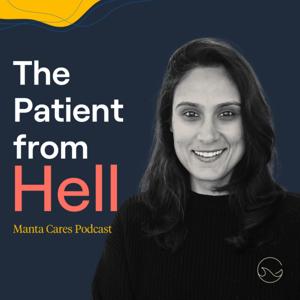


In this episode, Dr. Fumiko Chino shares her inspiring journey from art director to oncologist, driven by her experience as a caregiver. She highlights the gap between ideal and actual cancer care by discussing a breast cancer imaging study where some patients with Stage 2 and 3 disease received scans to monitor for cancer. Dr. Chino goes into why “surveillance“ scans may or may not be beneficial, and clinicians must communicate this to their patients. She then stresses the importance of personalized communication and understanding patients' unique experiences in order to build trust. Dr. Chino also touches on why prioritizing physicians' well-being to prevent burnout matters.
This episode was supported by the Patient Centered Outcomes Research Institute (PCORI) and features this study by Caprice C. Greenberg, MD, MPH.
Key Highlights:
There is a gap between intended care and actual care. The solution doesn’t have to be so grand either; we can start at small acts of kindness and accessibility.
Communication with patients should be tailored to each individual, taking into account their unique experiences and perspectives.
There is often no singular right answer in cancer treatment, and the best plan for a patient may vary depending on their circumstances.
Doctors should also prioritize their own well-being to prevent burnout and thus be able to provide better care to their patients.
About our guest:
Fumiko Chino, MD is a cancer researcher, Assistant Attending in Radiation Oncology, and Lead of the Affordability Working Group at Memorial Sloan Kettering Cancer Center. She is also one of the Directors at the Costs of Care group, a NGO working to improve affordability in healthcare and the recipient of the inaugural 2022 ASCO Excellence in Equity Award. Her research is focused on financial toxicity, gaps in survivorship, health care disparities, and access; she has spoken across the US and internationally on equity and the costs of care.
Key Moments:
14:00 “I deliver care in the United States, one of, if not the wealthiest countries, certainly a country of privilege where we have every bell and whistle, and yet not everyone can access those bells and whistles. Not everyone has the capacity for receiving the highest quality of care. And even when I am able to offer the best, every bell and whistle delivered to the person and their capacity to receive it can be quite variable, right? Access, affordability, these are all like large barriers.You know, one of my most well-lauded studies is on parking costs, which is quite frankly like a really stupid thing to study. Like, why would parking be a barrier to anyone? It's parking. . But what's truly insulting is that people who actually can’t get the care that they really need in the facility that would probably serve them best because of a silly barrier like parking.”
53:31 “Just realizing that what is the right plan for this person is probably not the right plan for this other person, and understanding that coming to that conclusion together, trying to figure out again, sussing out, even if it's the small tailored things of like, ‘What can we do to make this easier for you?’ It's not one size fits all. It's really, or it shouldn't be, how about that?”
Visit the Manta Cares website
--
Disclaimer: This podcast is for general informational purposes only and does not constitute the practice of medicine, nursing or other professional health care services, including the giving of medical advice, and no doctor/patient relationship is formed. The use of information on this podcast or materials linked from this podcast is at the user's own risk. The content of this podcast is not intended to be a substitute for professional medical advice, diagnosis, or treatment. Users should not disregard, or delay in obtaining, medical advice for any medical condition they may have, and should seek the assistance of their health care professionals for any such conditions.
In this episode, we welcome back a previous guest and friend, Katie Coleman. This time, we dive into facing one’s mortality and how to grapple with the uncertainty of living with a cancer diagnosis. We get into pre-diagnosis thoughts on mortality and how perspectives shifted after diagnosis. Katie also sheds light on some of the silver linings of being forced to confront your own mortality: helping you accept the inevitable, prioritizing what’s important, and guiding you to the road of self-discovery.You can listen to (or watch) the previous episode with Katie here.
Manta Maps are coming! Step-by-step subway maps that guide you through the entire cancer experience. Learn more here!
Key Highlights:
Initially a cancer diagnosis triggers fears and uncertainties about mortality, but acceptance of mortality leads to a rewarding change of perspective and even a fulfilling life.
Encountering death transforms life by influencing priorities and perspectives.
As a result of the shift in perspective, facing your own mortality may negatively impact bonds outside the cancer community. Feelings of isolation and not fitting in are common, particularly in situations dominated by small talk.
About our guest:
Katie Coleman is a patient advocate who was diagnosed with a rare stage IV kidney cancer in Dec 2020, at the age of 29. She has shared her diagnosis publicly on social media to spread awareness and to advocate for others with kidney cancer and rare diseases. Since being diagnosed, she has also founded a non-profit, started a podcast and is publishing an upcoming memoir. You can read more about Katie and sign up to be notified when her book launches on her website at www.katiekickscancer.com.
Key Moments:
2:52: " Through my diagnosis, I've had different prognosis' at different points of time. I'm very thankful for where I'm at currently, and I'm doing really well. But through that process and having to accept and think about my own mortality, some of my mindset around that shifted, which I'm sure we'll get into. My relationship with the thought of being given five years now is very different than it was when I was first diagnosed. But I had to do a lot of that learning on my own. And it's something that I wish more people talked about because it's a very, very hard topic to try to go through on your own and you can get very lost in despair and get yourself stuck in the process."
17:17: “If I could take back my cancer diagnosis, I wouldn't. Even if that means I only have two years of life left, I would not take it back still, because I have lived more in the last two and a half years than I lived in the entire 29 prior to that. And cancer really sucks. And I would probably regret saying that if I wasn't feeling well, I don't really know, but I do know that like where I'm at currently. It's just, it is life changing, but sometimes in all the best ways.”
--
Visit the Manta Cares website
Disclaimer: This podcast is for general informational purposes only and does not constitute the practice of medicine, nursing or other professional health care services, including the giving of medical advice, and no doctor/patient relationship is formed. The use of information on this podcast or materials linked from this podcast is at the user's own risk. The content of this podcast is not intended to be a substitute for professional medical advice, diagnosis, or treatment. Users should not disregard, or delay in obtaining, medical advice for any medical condition they may have, and should seek the assistance of their health care professionals for any such conditions.
Did you know that the majority of Americans with cancer are treated in community oncology practices and not at academic medical centers? Community oncologist Dr. Chris Terry joins us this week as we discuss local oncology care benefits and successes, and the importance of physical activity during cancer treatment. Dr. Terry also shares the way he communicates with new cancer patients in his practice to ensure that they fully understand their diagnosis from the very beginning. He also shares his hopes for the future of oncology.
Key Highlights:
The pros and cons of local oncology care and academic-affiliated oncology care, as well as what Dr. Terry does to help alleviate the gaps of community care.
The importance of physical activity (not only by physical means), but also on the emotional side of the cancer experience.
Cancer 101: Dr. Terry’s usual protocol for consulting new cancer patients and his long term hopes for the future of oncology and healthcare.
About our guest:
Christopher Terry is originally from Pennsylvania, but recently set down roots in Rhode Island with his twin children, wife and two dogs. He is a values-driven physician leader who serves as the Medical Director of Hematology, Oncology and Infusion Services at Sturdy Health, a community-based healthcare organization in Attleboro, Massachusetts. Chris received his medical training in Philadelphia at Thomas Jefferson University and Rhode Island at Brown University. His expertise is in blood disorders and cancer, with a special interest in supportive care, as well as adolescent and young adult cancer. His love for sports led him to start an organization called Athletes Fighting Cancer, which improves the cancer experience through the power of sport by providing a team for support, exercise instruction and resources to strengthen the mind. Chris’ hobbies include soccer, golf, music and exploring new places. He enjoys spending time with friends and family, but especially loves being a dad.
Link to Dr. Terry’s patient orientation sheet, referenced in the podcast.
Key Moments:
9:26: “I was initially planning on doing academic medicine and then an opportunity came up for me to practice at a small community-based hospital and it kind of, no pun intended, but it hit home for me. It just felt like a good fit. In addition, I had amazing mentors that I had actually worked with during my training here already. It almost set that example of, you can get really good quality care close to home. You know, there are differences. We don't do clinical trials, but I think it's important for people to be able to get their care even at a local community hospital if it's possible. There is now a lot more collaboration between community-based hospitals and academic centers, even though we're not affiliated with one.”
27:04 “I think it's also important to set expectations. So you may not be able to perform at the level that you are used to, and that's okay. You may need to take more of a break than you're used to, and that's okay also... I also encourage people to listen to their body, find that balance, and understand that you can't always push your limits.”
--
Visit the Manta Cares website
Disclaimer: This podcast is for general informational purposes only and does not constitute the practice of medicine, nursing or other professional health care services, including the giving of medical advice, and no doctor/patient relationship is formed. The use of information on this podcast or materials linked from this podcast is at the user's own risk. The content of this podcast is not intended to be a substitute for professional medical advice, diagnosis, or treatment. Users should not disregard, or delay in obtaining, medical advice for any medical condition they may have, and should seek the assistance of their health care professionals for any such conditions.
You might be familiar with economics or the study of monetary scarcity, but have you heard of healthcare economics? In this episode, we explore the daily trade-offs inherent in healthcare with Dr. Jayadevappa, whose dedicated focus revolves around healthcare economics and racial disparities between African American and white Prostate Cancer patients. Dr. Jayadevappa offers a glimpse behind the scenes of healthcare decision-making and initiates a discussion on how to address the racial disparities prevalent among patients.
This episode was supported by the Patient-Centered Outcomes Research Institute (PCORI) and features this study by Dr. Jayadevappa.
Key Highlights:
The three trade-offs in healthcare economics are: equity, efficiency, and quality of care.
What are examples of overuse of low-value care? What are examples of underuse of high-value care?
Racial disparities in healthcare, specifically in Prostate Cancer, between African American and white patients
A current solution to disparities that healthcare researchers like Dr. Jayadevappa are looking into is shared decision-making through a preference assessment.
About our guest:
Dr. Ravishankar Jayadevappa, Ph.D., is an Associate Professor at the Perelman School of Medicine, University of Pennsylvania. He is also affiliated with the Abramson Cancer Center, the Leonard Davis Institute of Health Economics, and the Institute of Aging. Additionally, he holds a position as a Core Investigator at the Center for Health Equity Research and Policy at the Philadelphia VA Medical Center.
Dr. Jayadevappa's research aims to analyze the tradeoff between economic efficiency, equity, and quality, particularly in addressing health disparities based on race, ethnicity, income, and age. He has secured over $20 million in federal, non-federal, and industry-sponsored grants, leading numerous projects related to chronic diseases such as prostate cancer, bladder cancer, obesity, breast cancer, and Alzheimer's. With over 150 peer-reviewed papers and abstracts, Dr. Jayadevappa has made significant contributions to the oncology field and serves as an editor for several medical journals.
Key Moments:
At 3:18 “... healthcare is kind of complex and our resources are limited. So it's always like when you try to achieve one thing, excess more of equity, then you are trading off with efficiency. Or if you are looking at only quality of care, you are trading off with equity or efficiency.”
At 20:29 “...our hypothesis asked: is it true for African American patients, if they go to high volume physicians, is their quality of care naturally improved? But we found out that's not true… Then our next series of studies looked at the continuity of care. For instance, fragmented care, when they are in and out of the insurance plans or the healthcare providers. So that may be the reason…. And both recent papers concluded that lack of continuity of care was one of the driving forces of disparity in observed outcomes for African American patients."
Disclaimer: This podcast is for general informational purposes only and does not constitute the practice of medicine, nursing, or other professional health care services, including the giving of medical advice, and no doctor/patient relationship is formed. The use of information on this podcast or materials linked from this podcast is at the user's own risk. The content of this podcast is not intended to be a substitute for professional medical advice, diagnosis, or treatment. Users should not disregard, or delay in obtaining, medical advice for any medical condition they may have, and should seek the assistance of their healthcare professionals for any such conditions.
Ever experienced the frustration of feeling unheard, hastily ushered away, and checked off during your appointments? Or perhaps you've caught yourself making life-altering decisions hastily during your visits with your primary care provider? Join us in this episode as we unravel the systemic reasons behind these challenges and receive actionable tools to empower yourself, becoming an advocate for your health.
Key Highlights:
We get a peek into a typical clinician’s workday and the structural issues within it.
Three ways the healthcare system is fragmented: medical culture, loss to follow-up, and technology—and how they impact patients.
The issues with finding primary care for cancer survivors and why post-cancer treatment is arguably the hardest part of the journey.
What can you, as a patient, do to improve your visits?
About our guest:
Dr. Ilana Yurkiewicz is a physician at Stanford University and a leading figure in cancer survivorship and oncology-hematology transitions. With an M.D. from Harvard and a B.S. from Yale, she co-directs Stanford's Primary Care for Cancer Survivorship program, offering innovative primary care for cancer survivors and those at elevated genetic risk.
Her medical journalism, featured in outlets like Scientific American and STAT News, includes an acclaimed investigative piece on fragmented medical records. Her latest book, "Fragmented: A Doctor’s Quest to Piece Together American Health Care" delves deeper into medical challenges and was released in July 2023.
Check out “Fragmented” here: https://ilanayurkiewicz.com/book
Key Moments:
At 3:13: “It takes between 14 and 62 clicks to order a Tylenol, something that is a simple over-the-counter medication. And again, that paper showed that the confusion in the electronic medical charts caused errors in up to 30% of cases.”
At 26:56 “And why do doctors get such low amounts of time with patients? It's a payment model. It is still primarily in this country a fee for service payment model where doctors and healthcare organizations are reimbursed on a service. Now, what is a service? It can be a round of chemotherapy, a joint injection, or in primary care, a service is an office visit, that face-to-face, meaning nothing else counts as paid work. None of the time that you spend outside the room putting the pieces together of a patient's story counts as paid work.”
At 40:54
“We need time to make decisions, which is separate from time to manage symptoms and side effects and deal with other things, other concerns, and preventative health… That is what I try to do within my own practice. But we are limited by so many external barriers, many of which we have talked about in this podcast, and a main one here is the time again. We are limited by 10 to 15 minute appointments… How can you make these life altering decisions within 10 to 15 minutes, much less address everything else?”
At 46:05 “You cannot assume that your providers have all of your information or that they don't have it in a garbled way. They don't have it in a meaningful way. And then you are also the agent in making decisions about next steps that affect your health and your body. Your providers are invested in your health, but nobody is more invested than you and nobody knows you the best.
Visit the Manta Cares website
Disclaimer: This podcast is for general informational purposes only and does not constitute the practice of medicine, nursing or other professional health care services, including the giving of medical advice, and no doctor/patient relationship is formed. The use of information on this podcast or materials linked from this podcast is at the user's own risk. The content of this podcast is not intended to be a substitute for professional medical advice, diagnosis, or treatment. Users should not disregard, or delay in obtaining, medical advice for any medical condition they may have, and should seek the assistance of their health care professionals for any such conditions.
Matthew Rosenblum, a geographer by training, shares his journey from PhD candidate to pancreatic cancer patient. He discusses the interplay of space, time, and identity, particularly in relation to his Jewish background and cancer diagnosis. Matthew shares his diagnosis and treatment experience candidly with his unique sense of humor. While addressing the realities of living with terminal cancer aren’t often funny, Matthew will keep you laughing during this episode that will educate and inspire.
Manta Maps are coming! Step-by-step subway maps that guide you through the entire cancer experience. Learn more here!
Key Highlights:
The intersections of identity, including being Jewish and BRCA2 positive.
The importance of advocating for yourself with your care team.
How the emotional and physical toll of living with terminal cancer can still bring moments of resilience and humor.
About our guest:
Matthew Rosenblum is a pancreatic cancer survivor and BRCA-2 previvor based in metro Detroit with his loving partner, Natalie, and their 6 year-old pug, Monique. Trained as an academic geographer at Florida State University and the University of Kentucky - and with 18 months of remission under his belt - Matthew has pivoted career trajectories to cancer advocacy. He is currently doing freelance writing in the nonprofit world while he looks for a more permanent position in the cancer space. As he searches for meaningful work, Matthew has been preparing a memoir covering his wild ride with metastatic pancreatic cancer.
Key Moments:
18 minutes: On intersecting identities. “I think it's like something my oncologist said to me very casually after they discovered the tumor on my pancreas and throughout my gut. He said, ‘Your sister has a BRCA2 mutation and your mom died? Yeah, you're Jewish?’ Yes, probably. I wasn't offended or anything like that. It's just there is a very clear connection historically between narratives of cancer and Jewish identity.
34 minutes: On advocating for himself. “I think it's a product of my personality, and I think it's also a way I've found to advocate for myself effectively, that sometimes doctors are not used to being spoken to in a certain way, and if you are willing to get up in their grill a little bit, oftentimes you can get what you want, or you can come to some kind of understanding. My oncologist is the Chief of Oncology at a major cancer research institute – he's the boss. And sometimes that colors people's judgment. So sometimes if you shake them a little bit, you might not steer the ship, but you can be involved in the direction, right? You're controlling the trajectory as a partner, at least.”
50 minutes: Finding humor in dark moments. “I got an automatic notification with the rest of my results on the MyChart app and it used the word adenocarcinoma. And I didn't know that word. But I knew enough that I knew it wasn't good because cancer words, they all sound like they could be the bad guy in Star Wars, right? Like sarcoma. Honestly, are the people who write Star Wars, are they just stealing cancer words? Who's to say? In any case, I flipped out because I Google adenocarcinoma, and it's not good.”
--
Visit the Manta Cares website
Disclaimer: This podcast is for general informational purposes only and does not constitute the practice of medicine, nursing or other professional health care services, including the giving of medical advice, and no doctor/patient relationship is formed. The use of information on this podcast or materials linked from this podcast is at the user's own risk. The content of this podcast is not intended to be a substitute for professional medical advice, diagnosis, or treatment. Users should not disregard, or delay in obtaining, medical advice for any medical condition they may have, and should seek the assistance of their health care professionals for any such conditions.
We welcome back one of our previous guests, David Moriah! Embark on a profound journey into David's relationship with religion and faith, specifically uncovering how his unwavering faith became a guiding light through his cancer experience. The radiant blend of optimism and vulnerability in this episode offers invaluable lessons for us all. Don't miss out—tune in and be inspired by David's compelling story. See our previous episode with David here.
Key Highlights:
Explore David's profound relationship with faith and how even in the face of cancer, he is certain that The Creator is looking out for him through “God Winks”
Advice on paying attention to intuitive feelings, especially when something feels off, and the importance of getting a diagnosis sooner rather than later
David's unique approach to faith and what he’d like to be remembered for are discussed, providing insight into the values that keep him upright in his journey
About our guest:
David Moriah has lived 72 abundantly blessed years and is fiercely determined to extend the streak in the face of a “stage 4, incurable” diagnosis. He is a husband of 48 years, a father of two and a grandfather of two and a half. That’s more important than what he’s done for a living. As for that, he spent his 20s as a wilderness instructor for Outward Bound and is the founding director of Cornell University’s outdoor education program. He hosts a blog at CaringBridge, “Adventures in ChemoLand”, and he is a passionate advocate for staying fit while undergoing treatment, and looking out for “God Winks”, those moments of joy and reassurance that we are not alone in this sometimes scary and foreboding journey.
Key Moments:
18 minutes: On finding peace in the future. “But whatever it is, whatever that afterlife is, I have a peace and assurance that I'm gonna be okay, that The Creator’s gonna take care of me. I don't know what it's gonna look like, but I am so at peace about this. And there's a line in the Christian Bible that talks about the peace that passes all understanding.”
30 minutes: On listening to your gut. “I want to urge everyone to take the extra step, make sure you're checking out your symptoms. Don't poo it… No, no, treat yourself right.”
48 minutes: On finding purpose. “My main purpose right now that I'm feeling is telling my story, for those who want to hear it. To tell my story and hopefully help people in their journeys. And then the other is just to take advantage of every moment, every day. Every opportunity to be with my kids and grandkids and just to go out and enjoy that beautiful sunset that The Creator gave me.”
Visit the Manta Cares website
Disclaimer: This podcast is for general informational purposes only and does not constitute the practice of medicine, nursing or other professional health care services, including the giving of medical advice, and no doctor/patient relationship is formed. The use of information on this podcast or materials linked from this podcast is at the user's own risk. The content of this podcast is not intended to be a substitute for professional medical advice, diagnosis, or treatment. Users should not disregard, or delay in obtaining, medical advice for any medical condition they may have, and should seek the assistance of their health care professionals for any such conditions.
In this episode, Dr. Supriya Mohile discusses the need for geriatric oncology and the underrepresentation of older adults in clinical trials. She highlights the challenges of decision-making in oncology and the discrepancy between guidelines and patient goals. She also discusses the significance of patient-reported outcomes in treatment decisions. Finally, Dr. Mohile explores the role of social networks in supporting patients during the decision-making process, cancer prevention strategies and the acceptance of the unknown.
This episode was supported by the Patient Centered Outcomes Research Institute (PCORI) and features this study by Dr. Mohile.
Key Highlights:
There are an increasing number of older adults with cancer, yet older adults are often underrepresented in clinical trials.
Social networks play a significant role in decision-making, and it is important to consider the influence of family and friends on patients' choices.
Patient input is valuable in developing interventions and improving care delivery.
About our guest:
Dr. Supriya Gupta Mohile, a distinguished figure in the field of geriatric oncology, is a Professor of Medicine and Surgery at the James Wilmot Cancer Institute, University of Rochester. Her research focuses on assessing patterns of care, health outcomes, and quality of life in older patients undergoing systemic cancer treatment. With nearly 300 publications in geriatric oncology, she serves as the Editor-in-Chief of the Journal of Geriatric Oncology and chairs the ASCO Geriatric Oncology Clinical Guideline panel. You can find her research in the following journals: Lancet, Journal of Clinical Oncology, and JAMA Oncology. In addition to her research focus, Dr. Mohile works closely with such patients in the Cancer and Aging Research Group, providing administrative support to a community of older adults with cancer and their caregivers.
Key Moments:
10 minutes: On the challenge of treating older cancer patients using clinical trial data. “But the problem is, we're getting clinical trial data in very fit patients, either younger or even older patients who are very healthy. And then we don't know when we have the drugs come on market, what is the safety and efficacy for the patient that's sitting in front of me in the clinic who has a disability, has heart disease, has real insufficiency, lives alone, is having trouble taking their medicines, and may not be as fit as the people that are in the trials.”
40 minutes: On the way people often make decisions based on anecdotal evidence from their friends and not science. “Even my mother does this too, for example, about knee injections. She said ‘All my friends told me not to do this one. They told me to do that one instead.’ I'm like, ‘mom, I'm a physician. This doesn't matter. This is what the data shows. I appreciate that this bad thing happened to your friend, but it's not necessarily going to happen to you.’ But people will use anecdotal information to drive decisions more than evidence.”
50 minutes: Despite preventative measures, people still get cancer. “ So when patients come to me and say ‘why me’? They want to know why. I can say sometimes we just don't know why and it's not up to us. Something happens, the universe exists. So we have to move forward and help with what we can help.”
Disclaimer: This podcast is for general informational purposes only and does not constitute the practice of medicine, nursing or other professional health care services, including the giving of medical advice, and no doctor/patient relationship is formed. The use of information on this podcast or materials linked from this podcast is at the user's own risk. The content of this podcast is not intended to be a substitute for professional medical advice, diagnosis, or treatment. Users should not disregard, or delay in obtaining, medical advice for any medical condition they may have, and should seek the assistance of their health care professionals for any such conditions.
Dr. Simmons and Dr. Sepucha are back for Part 2 of their episode to talk about colorectal cancer screening, and in particular, the importance of individualized decision-making for patients aged 76 to 85. The conversation highlights the challenges faced by clinicians in initiating discussions about continuing or stopping screening, and the importance of patient preferences and goals in guiding these decisions.
Key Highlights:
The importance of individualized decision-making for colorectal cancer screening in people aged 76 to 85.
How clinician training prompted an increase in conversations about preferences and options for colorectal cancer screening.
“Can we talk about my options?” or “Here are my goals” as phrases to encourage collaboration between doctor and patient.
About our guests:
Dr. Karen Sepucha is the director of the Health Decision Sciences Center in the Division of General Internal Medicine at Massachusetts General Hospital (MGH) and an associate professor in Medicine at Harvard Medical School. Her research is focused on helping patients and families become meaningfully involved in significant medical decisions. Dr. Sepucha oversees efforts to promote shared decision making in primary and specialty care at MGH and across MassGeneral Brigham Health Care.
Dr. Leigh Simmons is the Medical Director of the MGH Health Decision Sciences Center where she studies the use of decision aids to help patients and clinicians in the shared decision making process. Dr. Simmons develops and conducts training of physicians and staff in communication skills focused on improving decision making with patients. Her clinical practice is with the Internal Medicine Associates at Massachusetts General Hospital. In addition to her clinical and research interests, Dr. Simmons is a medical student educator and directs the internal medicine clerkship for Harvard Medical School students at Massachusetts General Hospital.
Key Moments:
5 minutes: On shared decision-making for colorectal cancer screening in older adults. “The areas that we really think are perfect for shared decision-making are ones where there are real choices. So you can have a colonoscopy, you can have a stool-based test, or you might do neither. I think those are the options that are really on the table for patients in this age group, 76 to 85. So there's not one right answer. It depends on their overall health status, their risk of colon cancer, whether they’ve had polyps in the past, have they had clear colonoscopies. It also depends on what's most important to them.”
25 minutes: On how screening shifted modalities due to shared decision-making conversations. “We thought they were going to decrease by giving patients options, but we increased screening rates, but that increase was due to more people doing stool testing.”
32 minutes: On tactics to increase collaboration between patients and their healthcare providers. “In decision science, there's two camps. There's the option camp, which is to start with what you can do. And then there's the value camp, which is to start with what you want.”
This episode was supported by the Patient Centered Outcomes Research Institute (PCORI) and features 2 studies (Study 1 & Study 2) by Dr. Sepucha & Dr. Simmons.
Disclaimer: This podcast is for general informational purposes only and does not constitute the practice of medicine, nursing or other professional health care services, including the giving of medical advice, and no doctor/patient relationship is formed. The use of information on this podcast or materials linked from this podcast is at the user's own risk. The content of this podcast is not intended to be a substitute for professional medical advice, diagnosis, or treatment. Users should not disregard, or delay in obtaining, medical advice for any medical condition they may have, and should seek the assistance of their health care professionals for any such conditions.
Alexandra Drane, serial entrepreneur and co-founder of ARCHANGELS, discusses her unconventional experience working as a cashier at Walmart and its importance in informing her approach to business and life: solving complex problems by starting with the community and addressing real-life issues. Alexandra delves into “the unmentionables” of healthcare: the idea that when life goes wrong, health goes wrong. She emphasizes the importance of small acts of care and attention as the foundation for meaningful change in healthcare and society.
Key Highlights:
How working as a cashier at Walmart gave Alexandra a new lens for seeing the strength of the people who make up a community.
How to help change a healthcare system that isn’t set up to treat patients or healthcare providers as whole humans.
The power of focusing on the details of life to create meaning.
About our guest:
Alexandra is co-founder and CEO of ARCHANGELS. She co-founded Eliza Corporation (acquired by HMS Holdings Corp: HMSY), Engage with Grace, and three other companies (all boot-strapped). A serial entrepreneur, she is also a cashier-on-leave for Walmart. She believes communities are the frontline of health, that caregivers are our country’s greatest asset, and that we need to expand the definition of health to include life. Alexandra is an inventor on numerous patents and has co-authored multiple peer-reviewed journal articles, including publications with the CDC, the Journal of Affective Disorders, and NEJM Catalyst. She joined Prudential Financial as a Wellness Expert for a film series called “The State of US” that was turned into a national ad campaign and generated close to two billion impressions. She has one hobby outside of her passion for revolutionizing health care, and her love of family and adventure…car racing.
Key Moments:
11 minutes: On tapping into the expertise of patients. “Patients, humans who are in these situations where the traditional healthcare system is not offering a solution, they become genius inventors. And you can look condition by condition, whether it be childhood diabetes to life-threatening allergies to every type of cancer. There will be someone who has, in their basement, in their church, in their YMCA, rigged something together that is solving a previously misunderstood problem. And they figured it out. There is genius everywhere.”
25 minutes: On the challenge of the current structure of the healthcare system. “You had said something earlier about how sometimes we're dismissed. And I was thinking, as you were talking, about just how difficult it is to be a patient, to be a human in the system, when the system's not equipped to really think about you as a human.”
40 minutes: On the power of intention. “I think the healthcare system, which let's be clear, the healthcare system is nothing other than the fabric of society. The healthcare system is our lives. How we care for each other and get cared for ourselves is not a system, it is humanity. And I think we need to go back to what matters, who are we, how do we show up for each other? How do we lead with love? And guess what? When you do that, you can be sustainable and scalable.”
Visit the Manta Cares website
Disclaimer: This podcast is for general informational purposes only and does not constitute the practice of medicine, nursing or other professional health care services, including the giving of medical advice, and no doctor/patient relationship is formed. The use of information on this podcast or materials linked from this podcast is at the user's own risk. The content of this podcast is not intended to be a substitute for professional medical advice, diagnosis, or treatment. Users should not disregard, or delay in obtaining, medical advice for any medical condition they may have, and should seek the assistance of their health care professionals for any such conditions.
From the publisher's feed

90,991 Listeners

4,351 Listeners

2,506 Listeners
9,620 Listeners

111,868 Listeners
0 Listeners