High performers are getting trapped in a modern loop of overdoing + cortisol + information overload, chasing “biohacks” while skipping the inner foundation (hope, self-worth, presence) and the recovery that makes performance sustainable.
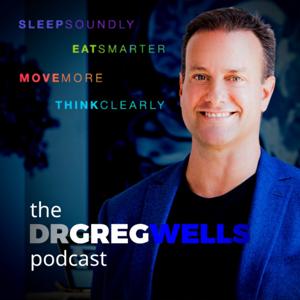
Dr. James Rouse’s work in this episode is about reclaiming control: building purpose-driven rituals, creating contrast (hard effort + deep rest), and protecting nervous-system regulation so you can perform better without burning out.
In today’s conversation James Rouse explores why hope isn’t passive—it’s a personal responsibility you practice daily. He and Dr. Wells unpack the physiology of overdoing (especially living on cortisol), and why sustainable high performance depends on contrast: peak effort paired with deep rest. James shares practical frameworks—“do the one thing,” build self-efficacy, start your day inside (heart coherence before the phone), and close your day with rituals that help you land and recover.
You will learn…
• How James defines hope as an “inclination of possibility” you choose and cultivate.
• Why “biohacking” only works when it’s built on self-love, intention, and responsibility (not shortcuts).
• A simple performance strategy: do one thing, witness it, and build self-efficacy (Bandura-style).
• The “contrast lifestyle” idea: peak performance + deep rest, plus hot/cold and recovery practices.
• James’ real-world morning and evening bookends (heart coherence first; “landing” routine + self-recognition).
You will discover that your best performance doesn’t start with more intensity—it starts with more regulation. When you protect peace and presence first, the physiology of focus, energy, and recovery becomes much easier to access.
One big challenge this episode solves: This episode helps the listener stop living in the “35–80% zone” of constant effort and constant stimulation—and instead build a repeatable rhythm of all-in effort followed by real recovery, so performance climbs while stress load drops.



 View all episodes