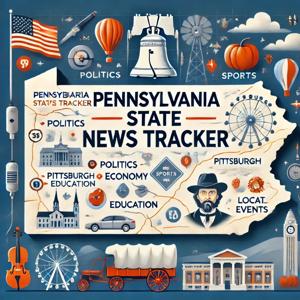
Pennsylvania, a critical battleground state, holds a significant place in American political, historical, and cultural landscapes. With its 20 electoral votes, it is often pivotal in presidential elections, making it a frequent stop for candidates during campaigns. President Trump’s visit to State College underscores the strategic importance of Pennsylvania in national politics.
Situated in the heart of the state, State College is home to Penn State University, a major public research university that draws young adults from across the country, adding to the diverse demographic makeup of the region. The presence of influential academic institutions like Penn State often makes such areas hotspots for political rallies and speeches aimed at young voters.
Pennsylvania’s political landscape is notably diverse, with urban centers like Philadelphia and Pittsburgh typically leaning towards the Democratic Party, while the rural areas often show stronger support for Republicans. This political division is reflective of the broader national trends and contributes to the state’s role as a swing state in elections.
Additionally, the state's economy is diverse, encompassing major industries such as manufacturing, agriculture, and energy, including a significant presence of natural gas extraction from the Marcellus Shale. These industries not only play a critical role in the state's economy but also frequently become focal points in political discourse, especially during elections when candidates address job creation, energy policy, and environmental concerns.
Moreover, Pennsylvania's rich history, notably its role as the meeting place of the Founding Fathers who signed the Declaration of Independence, imbues it with a substantial historical importance. Philadelphia's Independence Hall and the Liberty Bell are iconic American symbols, promoting a strong sense of national identity and historical continuity.
In terms of demographics, Pennsylvania is experiencing shifts, particularly with an aging population and migration patterns that influence voting behaviors and policy priorities. Healthcare, social security, and economic policies that cater to both urban and rural communities are consistently key issues among the electorate.
As candidates like President Trump visit, their engagements are tailored to resonate with local audiences, reflecting broader national themes and local priorities. The focus is not only on winning votes but also on addressing specific regional concerns that affect the daily lives of Pennsylvanians, from tax policies to healthcare and education.
In summary, Pennsylvania's strategic electoral significance, diverse economic profile, and rich historical backdrop make it a focal point of American politics, with implications that go beyond its borders into national governance and policy-making.
This content was created in partnership and with the help of Artificial Intelligence AI.