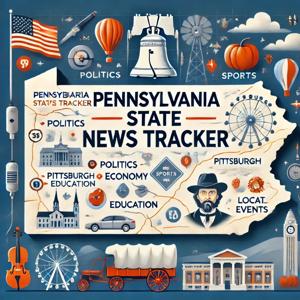
Pennsylvania, a key battleground state, has been at the epicenter of American politics, especially during election years. The state's unique demographic and economic composition makes it a microcosm of the broader national political landscape, earning it considerable attention during electoral cycles.
Historically, Pennsylvania has swung between major political parties. It is known for its political diversity, with urban areas like Philadelphia and Pittsburgh generally leaning towards the Democrats, while the more rural and some suburban areas often favor Republicans. This blend of urban and rural politics makes the state a critical swing state in presidential elections.
In recent election cycles, Pennsylvania's role has become even more pronounced, with campaigns investing heavily in the state. The introduction of early mail-in voting has added a new dynamic to the campaigning strategies in Pennsylvania. This voting method became significantly relevant and widely used during the COVID-19 pandemic and continued to influence election strategies afterward.
The state's economy, characterized by its traditional manufacturing base alongside growing tech and service sectors, mirrors the evolving American industrial landscape. These economic factors often influence voter priorities and, subsequently, election outcomes in Pennsylvania.
Moreover, Pennsylvania's demographics are changing, with an increase in the Hispanic population and shifts in the age profile of voters. These demographic changes continue to influence political trends and campaign focuses in the state. For example, issues such as employment, healthcare, and education are pivotal in campaigns, reflecting the concerns of Pennsylvania's diverse population.
Campaigns like that of J.D. Vance pay special attention to Pennsylvania due to its significant electoral value, evident in the intense campaigning and targeted messaging specific to the state's electorate. This includes focusing on local issues such as fracking, which is a significant economic activity in the state, particularly in the Marcellus Shale region.
The state’s infrastructure, another critical issue, often features prominently in political debates and campaigns. The condition of Pennsylvania’s roads, bridges, and public systems directly impacts its economy and quality of life, pushing candidates to address these topics vigorously.
As Pennsylvania continues to evolve both demographically and economically, its political landscape remains a focal point of national interest, particularly during the electoral season. Campaign strategies, including the utilization of early mail-in voting and tailoring messages to diverse voters' groups, highlight the state's crucial role in deciding national leadership.
This content was created in partnership and with the help of Artificial Intelligence AI.