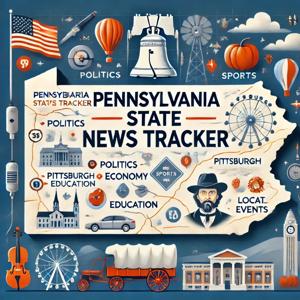
Pennsylvania, known as the Keystone State for its central role in the founding of the United States, has been a battleground state in presidential elections for many years, reflecting its diverse political, social, and economic landscape. The state's demographic and economic mix provides a unique microcosm of the broader American political and cultural climate, making it a focal point during national elections.
In recent years, Pennsylvania has witnessed significant political activity and controversies, particularly relating to electoral processes and outcomes. The 2020 presidential election brought these issues to the forefront, with allegations and legal challenges related to voter fraud and election integrity capturing national attention.
Pennsylvania's electoral significance is underscored by its 20 electoral votes, a sizeable number that can swing national election results. This makes the state a frequent stop for presidential candidates from both major parties who seek to sway an electorate that encompasses large urban areas such as Philadelphia and Pittsburgh, as well as vast rural regions, each with distinct political leanings and concerns.
The state’s economy is as diverse as its population, anchored by industries ranging from manufacturing and agriculture to energy and high technology. Pennsylvania is the United States' second-largest producer of natural gas, thanks to its positioning atop the Marcellus Shale. The state's energy sector plays a pivotal role in its economic landscape and often features prominently in political debates, particularly discussions on energy policy and environmental stewardship.
Moreover, Pennsylvania’s educational institutions, from prestigious universities like the University of Pennsylvania and Carnegie Mellon University, contribute to its reputation as a center of research and higher education. These institutions not only drive innovation within the state but also attract a large population of young adults, which impacts its cultural and political climate.
Cultural heritage in Pennsylvania is rich and varied, featuring historic sites such as Independence Hall, where the Declaration of Independence and the U.S. Constitution were signed. The state also hosts some of the nation's most important cultural and historical institutions, such as The Pennsylvania Academy of the Fine Arts, the oldest art museum and school in the United States.
Despite its historic and cultural wealth, Pennsylvania faces challenges including economic disparity, urban decline in some areas, and ongoing debates over education and healthcare infrastructure. The state government, seated in Harrisburg, continues to deal with these issues amid shifting political dynamics.
In conclusion, Pennsylvania's influence on national politics, combined with its economic might and cultural richness, makes it a state of significant interest and importance. As it addresses internal challenges and plays a critical role in determining national polit
This content was created in partnership and with the help of Artificial Intelligence AI.