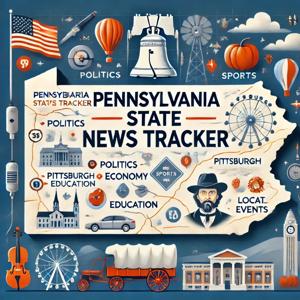
Pennsylvania, marked by its pivotal role in American politics as a swing state, continually captures the spotlight with its significant electoral influence, particularly as the race to the 2024 presidential election heats up. The Keystone State's diverse demographics and complex political landscape make it a microcosm of the national political scene, reflecting broader trends and shifts that can sway the outcome of national elections.
In recent elections, Pennsylvania's impact has been profound. In 2016, the state was key to securing a win for Donald Trump, and in 2020, it was crucial in propelling Joe Biden to the presidency. These shifts highlight the state's unpredictable electorate and the intense focus both major parties place on winning its 20 electoral votes.
Pennsylvania's political variability can be largely attributed to its demographic diversity. The state blends large urban areas like Philadelphia and Pittsburgh, which typically lean Democratic, with vast rural regions that often skew Republican. Additionally, Pennsylvania’s suburbs, notably around Philadelphia, have emerged as critical battlegrounds where elections can be won or lost, reflecting shifting allegiances among suburban voters.
The city of Philadelphia, in particular, with its significant population of Black, Hispanic, and young voters, serves as a Democratic stronghold. However, the surrounding suburban counties like Bucks, Montgomery, Chester, and Delaware have seen growing political diversity, making them areas of fierce competition and frequent campaign stops for candidates.
Hispanic voters in Pennsylvania are becoming particularly influential, exemplified by developments in cities with substantial Latino populations, where these communities are actively engaged in shaping electoral outcomes. The city's position highlights an evolving trend where the growing Hispanic population could significantly affect future elections, making their mobilization and participation key factors that both parties aim to address.
Looking ahead to the 2024 elections, infrastructure and economic policies are among the top concerns for Pennsylvanians. Issues like the state of the public transit system, particularly the Southeastern Pennsylvania Transportation Authority (SEPTA), and economic revitalization post-COVID-19 are pivotal. Additionally, Pennsylvania's stance on energy, given its status as a major fossil fuel producer, and its educational policies remain critical electoral topics.
Moreover, Pennsylvania's state government dynamics, with its divided legislature and governor's office typically controlled by different parties, reflect a broader national divide, indicating challenges in policymaking and governance. This division often leads to contentious policy debates, particularly around social issues and state budget allocations, directly affecting the lives of Pennsylvanians and illustrating the broader partisan struggles playing out across the country.
As the 2024 elections
This content was created in partnership and with the help of Artificial Intelligence AI.