
Sign up to save your podcasts
Or

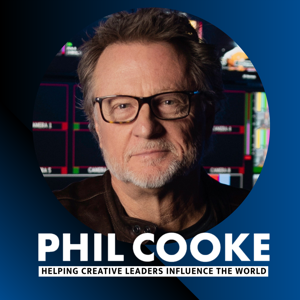


If you've been fired after age 40 because of a lay-off or company downsizing, don't panic. You have skills, experience and talent and you can recover your career. Here's advice from Phil Cooke…
If you get fired later in your career, here's the first thing to do:
Get up to speed on the world and do it fast. Recognize that while you've been living in a work bubble at your place of employment, the world has been changing. If you get fired or laid off, get up to speed quickly on technology, changes happening in the workplace and even with your wardrobe.
Are you looking like the person you're trying to project yourself to be? Appearance does matter.
If you haven't been laid off – now is a good time to make sure you're up to speed with changes in the workplace.
Get on the phone.Look through your contacts and start making calls to people who can help you with your career. A great technique that can lead to a job is to ask for advice on where to go next in your career instead of asking for a job. It's a great technique that may open up an opportunity!
Working a great job? Take time to create a list of 10-20 people you could reach out to should things change.
Be flexible, particularly about relocating. If you don't want to move, it will cut your job possibilities down and give you a restricted field to choose from. Is a move worth it for a new job? Consider your options and don't be too locked in.
Make sure your resume, bio, or portfolio is updated and evergreen.Nobody wants to hire yesterday's genius. No matter how great your work was years ago, what have you done lately?
If you still have your job, now is the time to make sure your resume is up-to-date.
Make sure you leave your job on a good note. You may need a recommendation or reference, so always walk away as graciously as you can, no matter how difficult it may be.
Get used to it. Recognize the changing work environment. Prepare for potential layoffs, downsizing or a shift to contract labor. Be ready for it so you're not taken by surprise.
If you get fired or laid off, don't let your feelings or emotions rule the moment. It's not necessarily a terrible thing. In fact, it may be the best thing that could ever happen to you. – Phil Cooke
For more help on recovering your career, visit Phil's blog at https://www.philcooke.com/fired-after-40-how-to-recover/#more-13593
Get a free eBook on Creativity! Sign up for Phil's blog at https://www.philcooke.com
Listen to the Phil Cooke Podcast here: https://itunes.apple.com/us/podcast/philcookes-podcast/id1439369056
Find out more about Cooke Pictures here: http://www.cookepictures.com/
Visit Phil Cooke's YouTube channel at https://www.youtube.com/channel/UCzivfiicpepFmAv5ZblgYWQ
Are you able to tell your story well? Leaders and those who want to impact the lives of others should master the art of storytelling. Phil Cooke offers three critical keys to help you tell the defining story of your life more effectively.
Telling your story is important and it can have a profound effect on others. Whether it's motivating or encouraging, somebody needs to hear it. Make sure it's the most effective story with these three critical keys to telling your story well…
You never know when someone might ask about your life. Learn to tell your story effectively and always leave your audience asking for more. Your ability to telling a compelling story could be your key to become a better leader. – Phil Cooke
For more tips on telling your story well, visit Phil's blog at https://www.philcooke.com/three-critical-keys-to-telling-your-personal-story/
Get Phil's book "Unique: Telling Your Story in the Age of Brands and Social Media" here: https://amzn.to/2CQG11e
(As an Amazon Associate, I earn from qualifying purchases, which helps us continue to provide free resources through my podcast and YouTube channel.)
Get a free eBook on Creativity! Sign up for Phil's blog at https://www.philcooke.com
Listen to the Phil Cooke Podcast here: https://itunes.apple.com/us/podcast/philcookes-podcast/id1439369056
Find out more about Cooke Pictures here: http://www.cookepictures.com/
Visit Phil Cooke's YouTube channel at https://www.youtube.com/channel/UCzivfiicpepFmAv5ZblgYWQ
Are you able to speak the language of change – or is the power of tradition holding your team or organization back? If you're surrounded by people stuck in the "we've always done it this way" mentality, Phil Cooke offers insight to overcome their objections and move them toward your change initiative.
Although there is power in tradition and traditions do matter, we need to remind ourselves that traditions are reminders, not destinations. People change, styles change, technology changes. If we don't speak the language of that change, we won't reach this generation or the next.
Wired Magazine reports that the average phone app updates every 30 days. In this digital age, our lives are in constant transition. If you're struggling with your team accepting new ideas, it's important to understand what's behind their hesitation. Knowing why people resist change is half the battle to help them embrace the new.
Leaders – here are four key reasons why people don't change.
If you can understand these, you can help bring your team or organization to a new level of effectiveness in our constantly changing world.
People resist change because change imposes on their territory. If you're trying to implement change, you've got to address this question of self-interest, the question of "What's in it for me?" Address the issue of how this change impacts them personally and change will be embraced more easily.
About 77% of emails are misunderstood! A good leader will recognize this and go out of their way to help their team understand the issues at stake and why change is necessary. Explain it well for a smoother transition.
Everyone has a different vantage point, a different way of assessing change. It's worth taking the time to understand the different list of priorities guiding people in their work roles. Smart leaders ask questions and take this into consideration before making major change.
Your team may not feel all the relevant information has been included in the change making process – or they may not trust the person in charge of implementing the change. The key here is to be sure they're involved in the process.
Help them understand the importance in the changes and get them involved early. A sense of ownership will help them more readily jump on board as new ideas are implemented.
As you lead your team or organization, it's important to recognize areas of resistance to change in your own life. What changes are you fighting in our own life? Are you stuck in a rut? Always be open to change.
Remember, change is coming whether we like it or not. The quicker you are to embrace change – and the more you know how to get other people on board with new ideas, the better you'll be in position for what's next. – Phil Cooke
Find out how to get "Unique: The Ultimate Planner for Creative Professionals" and "Jolt" by Phil Cooke here: https://www.philcooke.com/store/
For more tips on leadership and a free eBook on Creativity, visit Phil's blog at https://www.philcooke.com
Prefer audio? Listen to the Phil Cooke Podcast here: https://itunes.apple.com/us/podcast/philcookes-podcast/id1439369056
Find out more about Cooke Pictures here: http://www.cookepictures.com/
Visit Phil Cooke's YouTube channel at https://www.youtube.com/channel/UCzivfiicpepFmAv5ZblgYWQ
Filming interviews or short videos well is a skill every producer or filmmaker should gain. Phil Cooke offers 10 keys to shooting a good interview which can become a powerful tool to market your ministry or nonprofit organization.
How good are you at interviewing people on camera? No matter how great the camera shot or well-lit your set is, if the interview is not skillfully conducted, your overall video will not be good, and you'll miss out on gaining an emotional connection with your audience. Here are Phil's keys on how to shoot a better interview:
Bonus: Be ready for anything.Expect the unexpected. Have a margin for "imperfections" such as noise in the background in a noisy location – if it's part of the real world that is helping tell the story. Think in terms of making it natural.
The perfect producer is the one who never lets the situation get in the way of telling a great story. Make sure you're capturing the story at its absolute best with the interviewee sharing from the heart. – Phil Cooke
For more keys on shooting a better interview, visit Phil's blog at https://www.philcooke.com/10-keys-to-shooting-a-great-video-interview/
Get a free eBook on Creativity! Sign up for Phil's blog at https://www.philcooke.com
Listen to the Phil Cooke Podcast here: https://itunes.apple.com/us/podcast/philcookes-podcast/id1439369056
Find out more about Cooke Pictures here: http://www.cookepictures.com/
Visit Phil Cooke's YouTube channel at https://www.youtube.com/channel/UCzivfiicpepFmAv5ZblgYWQ
Phil Cooke offers practical tips on producing short videos and using social media to establish your brand and gain followers in Part II of this series on branding.
What do people think of when they think of your church, business or nonprofit? Strategic branding can establish an emotional connection with the audience you are working to reach.
Here's a recap of "Branding your Church or Nonprofit Part I" points to keep in mind about branding:
As you consider your brand persona, understand the power of short videos. It's the number one marketing tool in America. What story can you tell about your ministry or nonprofit? Stories of people whose lives have been changed are especially powerful. For example…
You don't need an elaborate set up to shoot a short video. Use your iPhone and tell your or somebody else's story. For tips on how to produce short videos better, visit Phil's blog at https://philcooke.com.
When it comes to branding, take social media seriously.It's a powerful tool for mobilizing people. For example…
Facebook is the largest "country" in the world. Stop thinking in terms of geographical boundaries for evangelism. Facebook is the future of ministry and evangelism coupled with face-to face evangelism.
Tips for posting on social media:
Growing your followers on social media is not about ego. It's about reaching as many people as possible with your message.
Bonus social media tip:Consider following people you respect and pay attention to what they say. Respond where appropriate from time to time. They may respond back… which means they've just showed your name to their millions of followers that follow you. It can bump up your followers! It's a powerful tool to help your social media presence.
Final thoughts…
Branding is about a niche. For example, Alison Krauss has "owned" the bluegrass awards. She became famous by being the best in that niche category – and now she can do whatever she wants because of it!
You can try to be the best director in Hollywood and compete with others like Martin Scorsese or Steven Spielberg. Or you can become the best director in a smaller niche category where you can become noticed, which can open up other categories for you down the road.
It's the same with authors and also, for example, with ministry leaders who have developed their niche and have gained followers because of staying in that category. (i.e. John Maxwell, Jack Hayford)
For Phil, his niche is the intersection of faith, media and culture: How our faith uses media to interact with culture. No matter whether you're a pastor, filmmaker or writer - choose a category and then be the best in the world in a narrow category.
Branding is important today.It's about getting your message to stand out in a cluttered culture.
Do everything you can to position yourself! Be intentional with the message God has given you. Shape your perception so more people understand who you are, what your message is and how you can impact their life. – Phil Cooke
For more insight on branding yourself, your ministry or organization, get Phil's book "Unique: Telling Your Story in the Age of Brands and Social Media" available on Amazon here: https://amzn.to/2S9fDVF
(As an Amazon Associate, I earn from qualifying purchases which allows me to keep producing videos such as these.)
For more tips on branding, social media and shooting short videos, visit Phil's blog at https://www.philcooke.com
Find out more about Cooke Pictures here: http://www.cookepictures.com/
Listen to the Phil Cooke Podcast here: https://itunes.apple.com/us/podcast/philcookes-podcast/id1439369056
Visit Phil Cooke's YouTube channel at https://www.youtube.com/channel/UCzivfiicpepFmAv5ZblgYWQ
Branding your business or ministry is a way to distinguish yourself in the marketplace. Phil Cooke shares insight on church branding to position you for greater impact in today's society.
If God has called you to impact culture, then people need to know about it! If nobody knows what you're doing, you've failed.
There are two big reasons for branding:
Steve Jobs asked his team…
These questions helped his company make an impact in the world. Churches, nonprofits or Christian ministries could benefit by asking similar tough questions:
What's your story? How does that story breakthrough into today's culture? Building your brand identity will help get your ideas and causes heard above the noise of our cluttered society.
What do people think of when they think of you? Why should someone come to you for help or why should they support your vision? Standing out and positioning yourself in a unique way is important.
Here are 7 things to think about concerning branding:
Whatever your budget, goals, vision or size, your branding - how you position yourself in the marketplace and how you're perceived – is important.
Bonus thought:Don't give your audience, customers, congregation or donors what you think they want. Give them what they never dreamed possible. – Phil Cooke
For more on branding, watch for Part 2 of this series.
Get Phil's book "Unique – Telling Your Story in the Age of Brands and Social Media" here: https://amzn.to/2PDViGb
(Please note that as an Amazon Associate, I earn from qualifying purchases.)
For more tips on branding, visit Phil's blog at https://www.philcooke.com
Listen to the Phil Cooke Podcast here: https://itunes.apple.com/us/podcast/philcookes-podcast/id1439369056
Find out more about Cooke Pictures here: http://www.cookepictures.com/
Visit Phil Cooke's YouTube channel at https://www.youtube.com/channel/UCzivfiicpepFmAv5ZblgYWQ
Are you wired to freelance? The success of your career depends on making the right choice between freelancing and full-time employment. Phil Cooke offers questions to consider as you determine the best fit for yourself and your future.
While some people are wired to be a freelancer, others are better suited to be an employee. For example, fulltime employees get insurance benefits, a regular salary and the stability of knowing they have a fulltime job.
Freelancers have more freedom – but they wake up unemployed every morning. They're always hustling. To be successful, you've got to take charge of your career. It's a huge responsibility.
Neither choice is necessarily better or worse. You just have to determine: How am I wired?
Ask yourself these questions…
Do I need resources?
Do I need stability?
Do I need staff and people around me every day?
Do I need a regular work schedule?
Or… Am I more comfortable being in command of my own destiny?
Am I okay with the responsibility of having to do the sales and all the hustle?
Do I want the freedom to work when I want and when I don't want?
One of the biggest reasons people's career don't work out is because they're in the wrong place. Understand the difference between freelancing and employment and then weigh it out with how you are wired. Your future self will thank you for it. – Phil Cooke
For more career tips, visit Phil's blog at https://www.philcooke.com/freelancer-or-full-time-employee-which-one-is-right-for-you
Discover what you were born to do with Phil's book, "One Big Thing – Discovering What You Were Born to Do" available here: https://amzn.to/2L2cy70
(Please note that as an Amazon Associate, I earn from qualifying purchases.)
Get a free eBook on Creativity! Sign up for Phil's blog at https://www.philcooke.com
Listen to the Phil Cooke Podcast here: https://itunes.apple.com/us/podcast/philcookes-podcast/id1439369056
Find out more about Cooke Pictures here: http://www.cookepictures.com/
Visit Phil Cooke's YouTube channel at https://www.youtube.com/channel/UCzivfiicpepFmAv5ZblgYWQ
An accurate perception of your leadership skills can significantly affect your career. A lack of it can get you fired! Here are important tips from Phil Cooke on how to improve your self-awareness.
How do other people see you? Is your view of yourself and your leadership abilities, talent, behaviors and attitudes in synch with how everyone else perceives you?
An accurate self-assessment is important for your career as a leader and a team member. Most people are fired because they simply can't get along with other people in the office!
Self-awareness is something you constantly have to be thinking of and monitoring. Phil offers several ways to make sure your perception of yourself is accurate…
Ask others how you're doing.Don't ask people who report directly to you or who rely on a paycheck from you, but rather, ask peers or associates who will be brutally honest with you. Get objective opinions about your performance, your leadership style, your behavior and your attitudes. Their honesty can help you be a better leader.
Study the lives of leaders who are at a level above you.How did they get where they're at? Raise the bar in your own life by studying their lives and leadership. It will help take you to the next level in your own leadership skills.
Teach self-awareness to your team. Many people are ignorant of how others perceive them. Every employee needs to understand what self-awareness is and constantly monitor themselves and how others view them.
Do a personality test for your team. These tests can help people understand how they are wired. It can be freeing for them to let go of areas that aren't their strengths and focus on the areas they're gifted in.
An accurate personal assessment can significantly affect your career. People who are the most self-aware have an incredibly accurate understanding of what's coming down the road – and you'll be able to adjust to a changing culture and changing business realm faster than anyone else. – Phil Cooke
For more thoughts on leadership and self-awareness, visit Phil's blog at https://www.philcooke.com/your-lack-of-self-awarness-will-get-you-fired/
Get a free eBook on Creativity! Sign up for Phil's blog at https://www.philcooke.com
Listen to the Phil Cooke Podcast here: https://itunes.apple.com/us/podcast/philcookes-podcast/id1439369056
Find out more about Cooke Pictures here: http://www.cookepictures.com/
Visit Phil Cooke's YouTube channel at https://www.youtube.com/channel/UCzivfiicpepFmAv5ZblgYWQ
From the publisher's feed

1,695 Listeners
10,764 Listeners
2,265 Listeners
19,474 Listeners

152,949 Listeners

183 Listeners

26,554 Listeners