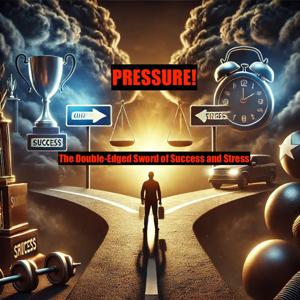
Pressure: The Double-Edged Sword of Success and Stress Pressure is an omnipresent force in our lives, a constant companion that can either propel us to greatness or crush us under its weight. From the boardroom to the sports field, from academic pursuits to personal relationships, pressure permeates every aspect of human experience. It's a force that can motivate us to achieve our dreams or paralyze us with fear. Understanding pressure, its various forms, and how to harness its power is crucial for personal growth, success, and well-being. At its core, pressure is the sensation of stress or urgency that arises when we face demanding circumstances or high expectations. It's a physiological and psychological response to perceived challenges or threats. This response can manifest in various ways, including increased heart rate, sweating, heightened alertness, and a surge of adrenaline. Pressure isn't inherently good or bad; it's a neutral force that we can learn to channel and control. How we perceive and respond to pressure often determines whether it becomes a catalyst for success or a source of debilitating stress. Our response to pressure is influenced by various factors, including our personality, past experiences, current circumstances, and the specific nature of the pressure we're facing. While pressure is often viewed negatively, it can have numerous beneficial effects when managed properly: 1. Enhanced Performance: The right amount of pressure can push us to perform at our best. This phenomenon, known as the Yerkes-Dodson law, suggests that moderate levels of arousal (or pressure) can optimize performance. This "optimal pressure" varies from person to person and task to task, but finding this sweet spot can lead to peak performance. 2. Increased Focus: Pressure can sharpen our focus, helping us concentrate on the task at hand and filter out distractions. In high-pressure situations, our brain's ability to prioritize information and direct attention becomes heightened, potentially leading to improved cognitive performance. 3. Motivation: The urgency created by pressure can be a powerful motivator, driving us to take action and pursue our goals with greater determination. It can provide the push we need to overcome procrastination and inertia. 4. Personal Growth: Overcoming pressure-filled situations can build resilience, confidence, and self-efficacy. Each time we successfully navigate a high-pressure scenario, we prove to ourselves that we're capable of handling difficult situations, which can boost our overall self-esteem. 5. Creativity: In some cases, pressure can stimulate creative thinking as we search for novel solutions to challenging problems. The constraints imposed by pressure can force us to think outside the box and come up with innovative ideas. 6. Preparation: The anticipation of pressure can motivate us to prepare more thoroughly for important events or tasks. This increased preparation can lead to better outcomes and reduced
This content was created in partnership and with the help of Artificial Intelligence AI.