
Sign up to save your podcasts
Or

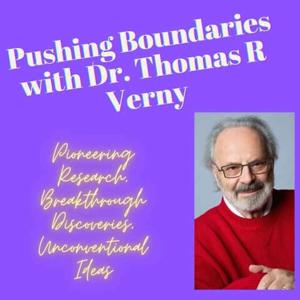


As I stand at the intersection of heartfelt gratitude and poignant closure, I can't help but reflect on the myriad of voices and perspectives that have graced this podcast. Over the span of two years and 43 episodes, I've had the honor of conversing with a tapestry of brilliant minds—scholars, writers, and medical professionals among them. Each conversation was a thread in the rich quilt of knowledge we've woven together, and as your host, it's a quilt I'll treasure long after the microphone goes silent.
This final episode is a candid look at the podcasting journey, beset with the challenges of standing out in an ocean of content and the bittersweet realization of when to draw the curtain. As I share my experiences and the factors leading to this farewell, I am reminded that every ending is also a commencement. With T.S. Eliot's poetic wisdom as a beacon, “What we call the beginning is often the end. And to make an end is to make a beginning. The end is where we start from.” I invite you to join me one last time as I express my deepest thanks to all who have journeyed with us—your companionship has been a gift beyond measure. Though this is my last podcast episode, the quest for knowledge and boundary-pushing continues in my writings, and I encourage you to join me there.
If you liked this podcast
https://www.psychologytoday.com/intl/contributors/thomas-r-verny-md
Promise one thing: by the end of this conversation with bestselling author and professional speaker, Michael McQueen, you'll have an entirely new perspective on open-mindedness and persuasion. We embark on a deep exploration of the human mind, uncovering the psychology behind stubbornness and taking a fresh look at the art of ethically influencing others. Michael, renowned for his insightful perspectives, shares critical nuggets from his book, Mindstruck: Mastering the Art of Changing Minds, and discusses how we can become more open-minded and encourage others to do the same.
As we navigate this fascinating discussion, we compare modern persuasion techniques with principles from Dale Carnegie's classic, How to Make Friends and Influence People. There's a unique focus on the importance of allowing people to maintain their dignity during persuasion, a strategy that has proven beneficial for large companies like Pepsi and KPMG. We'll also dive headfirst into the seismic changes witnessed in the automotive industry due to the pandemic and the intricacies of leading a team in a remote or hybrid environment.
Lastly, we take a journey through the generational labyrinth of the workplace, highlighting the impact of social and technological transformations. We'll touch on the art of effective communication and the power it holds in shaping future thinking. So, gear up for an episode packed with insights that will challenge your perception, redefine your understanding of persuasion, and equip you with the tools to navigate the rapidly evolving professional landscape. Get ready to change minds and perspectives, including your own.
If you liked this podcast
https://www.psychologytoday.com/intl/contributors/thomas-r-verny-md
If you liked this podcast
https://www.psychologytoday.com/intl/contributors/thomas-r-verny-md
Join us for an eye-opening discussion with acclaimed film and television director, Stephen Gyllenhaal. Our conversation primarily revolves around his latest work, Uncharitable, a groundbreaking documentary that strikes at the heart of traditional views on charity operations. We embark on a thought-provoking exploration of gender disparity in the non-profit sector, the constraints that hinder charities' effectiveness, and how these elements inspired the film's creation.
Our conversation with Stephen takes an incisive look at non-profit organizations, their struggles, and their indispensable role in society. We challenge the status quo, discussing the necessity for attracting top talent, offering competitive pay, and granting the respect that these individuals deserve. Moreover, we dive into the deeper psychological underpinnings of the charitable sector and even confront its potential dark side. We question the true nature of corruption, the importance of watchdog organizations, and the need for a revised perspective on charity.
As we wind down, Stephen shares his personal experience with the AIDS Rides and the invaluable life advice he's passed on to his son. We touch upon the much-anticipated premieres of Uncharitable in New York and Los Angeles, and the plans for its Canadian release. Don't miss this stimulating conversation filled with revolutionary insights into the charitable sector and its untapped potential. This is not just an interview; it's a call to action for a brighter, more charitable future. Tune in now!
If you liked this podcast
https://www.psychologytoday.com/intl/contributors/thomas-r-verny-md
If you liked this podcast
https://www.psychologytoday.com/intl/contributors/thomas-r-verny-md
Ever wondered about the hidden causes of homelessness? Join us as we unravel these with Joseph Jacques, co-founder, and director of Harmonic Humanity. An organization which is not just about providing immediate work for those living on the streets, but also about unfolding their potential through transformational education. Joseph, from his unique perspective, highlights the surprising connection between prenatal trauma and homelessness, addiction, and mental health issues. His insights stem from his extensive work with the Association of Pre- and Perinatal Psychology and are beautifully captured in his book, Legends of Creation.
Joseph’s extraordinary journey began with learning scuba diving at three, a seemingly unrelated experience that would become central to his understanding of the womb experience and birth trauma. Joseph shares unforgettable narratives from his work on the streets and his inspiring initiative of creating a workbook for the homeless, enabling them to realize they are their own heroes. His ambitious vision doesn’t stop here. Picture a future where a questionnaire could shed light on prenatal trauma experiences and a global study could link these experiences to homelessness. These are not just dreams for Joseph, but goals he is working diligently towards achieving.
His work is a testament to his unwavering dedication and belief in the power of love, connection, and education. From the concept of prenatal bonding to raising funds for his organization, Joseph is on a mission to change the narrative around homelessness. His work with Harmonic Humanity has already enabled homeless individuals to earn close to a half a million dollars through selling art and music. This is not your typical conversation about homelessness. It’s a deep dive into the transformative power of understanding and empathy, and the extraordinary impact one man can make. Join us as we explore this and more with Joseph Jacques.
If you liked this podcast
https://www.psychologytoday.com/intl/contributors/thomas-r-verny-md
If you liked this podcast
https://www.psychologytoday.com/intl/contributors/thomas-r-verny-md
Ever wondered how mysticism, quantum theory, and consciousness are intertwined? Well, get ready to unlock some mind-bending insights with our special guest, David Lorimer. An acclaimed writer, poet, and spiritual activist, David takes us on a journey through his unique upbringing and career, deeply influenced by his grandfather, Sir Robert Lorimer, a renowned architect and mystic.
We dive into a profound exploration of consciousness and its crucial role in science. Bouncing off the theories of iconic physicists from the 1930s to modern thought-leaders, we explore the paradoxical interface of the brain and consciousness. Prepare to be fascinated by our deep dive into the Hindu concept of the 'witness', and the intricate relationships between the soul, spirit, and body. A stimulating debate on love, freedom, personal responsibility, and the concept of an afterlife awaits you!
In our final act, we present David's work under the microscope, celebrating his commitment to pushing boundaries and exploring new territories. From the impact of the exchange of ideas and knowledge to the profound influence of Reverend Norman Coburn on David's life, we cover it all. So, are you ready to challenge your world view, disrupt your thought patterns, and embark on an intellectual rollercoaster ride with us? Join in for an episode that’s sure to inspire and provoke your thoughts in equal measure.
If you liked this podcast
https://www.psychologytoday.com/intl/contributors/thomas-r-verny-md
Join us for a fascinating conversation with my guest, Mike Rucker, an organizational psychologist and behavioral scientist. Mike unveils the intriguing science of happiness and warns us about the risk of 'ornamental hygiene' that can emerge from excessively pursuing this emotion. His book, 'The Fun Habit,' serves as a guide to experience a life filled with happiness without obsessively quantifying it. Mike shares his journey into the field of positive psychology that started with the International Positive Psychology Association.
As we delve deeper, we explore the importance of autonomy and time affluence. Mike emphasizes the need for personalized approaches to support psychological well-being when common interventions fall short. We further discuss reclaiming agency and developing cognitive reserve to combat burnout. Fostering pro-social behavior and creating meaningful memories take center stage in our conversation.
In the final segment, Mike enlightens us about the difference between passive and active leisure. He explains the Hedonic Flexibility Principle and how curtailing unenjoyable activities can make room for purposeful leisure. As someone mentored by Michael Jervais, Mike also gives us a peek into his personal life and how he uses behavioral science to make activities fun, thereby improving engagement. This is a great opportunity to uncover these riveting topics with Mike Rucker, a beacon in the field of positive psychology.
If you liked this podcast
https://www.psychologytoday.com/intl/contributors/thomas-r-verny-md
Ever wonder how Silicon Valley billionaires are investing in research to reverse and slow down the aging process? Well, let's get to the root of it with our guest, Faraz Khan. As a Management Consultant and Longevity Expert, Faraz has bridged his background in computer science and passion for anti-aging to create a platform dedicated to longevity. We delve into his journey and the groundbreaking techniques he uses to help others slow down their aging process.
Getting into the nitty-gritty of aging, we dissect the science behind cell division and its implications on diseases such as Alzheimer's. Ever heard of the Hayflick limit? We explore this concept and discuss how stem cells play an important part in replenishing cell division. And who better to learn from about longevity than the longest-lived people worldwide? We gain insights from their lifestyle and how they maintain their longevity.
Lastly, buckle up for a deep dive into the world of longevity. We discuss mindset, diet, and lifestyle modifications that can contribute to a longer life. Faraz shares an enlightening exercise to help shift our perception of aging and reveal the essential components of longevity including sleep, exercise, nutrition, and mental resilience. We'll also touch on practical advice on reducing oxidative stress, balancing blood sugar levels and the importance of certain supplements. Plus, you'll get to hear about the influential figures in Faraz's life and the life lessons he has gleaned from them. So, are you ready to embark on your journey to longevity? Tune in!
If you liked this podcast
https://www.psychologytoday.com/intl/contributors/thomas-r-verny-md
From the publisher's feed