
Sign up to save your podcasts
Or

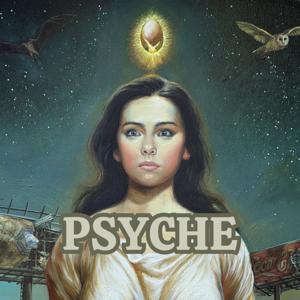

Before I ever watched Stranger Things, I read J.F. Martel’s philosophical essays on it. That reversal mattered.
In this solo episode, I offer a close, reflective reading of J.F. Martel’s Reality Is Analog essays, using Stranger Things as a lens for thinking about the Real—that dimension of reality that resists explanation, control, and reduction.
This is not a plot analysis and contains no spoilers. Instead, I explore why the series resonates so deeply at a psychological level: its refusal to domesticate mystery, its resistance to a fully digitized view of reality, and its quiet insistence that imagination is not an escape from the world but a way of staying in contact with it.
At the center of the episode is one of the show’s most radical claims: that ordinary children—through curiosity, play, courage, and care—are capable of extraordinary things. Not because they dominate the strange, but because they remain open to it.
As the series comes to an end, this episode reflects on what Stranger Things leaves us with: a posture toward reality that values attentiveness over mastery, relationship over control, and wonder over explanation. Reality, after all, is still strange.And that may be its greatest gift.
 View all episodes
 By Quique Autrey
5
1515 ratings
Before I ever watched Stranger Things, I read J.F. Martel’s philosophical essays on it. That reversal mattered.
In this solo episode, I offer a close, reflective reading of J.F. Martel’s Reality Is Analog essays, using Stranger Things as a lens for thinking about the Real—that dimension of reality that resists explanation, control, and reduction.
This is not a plot analysis and contains no spoilers. Instead, I explore why the series resonates so deeply at a psychological level: its refusal to domesticate mystery, its resistance to a fully digitized view of reality, and its quiet insistence that imagination is not an escape from the world but a way of staying in contact with it.
At the center of the episode is one of the show’s most radical claims: that ordinary children—through curiosity, play, courage, and care—are capable of extraordinary things. Not because they dominate the strange, but because they remain open to it.
As the series comes to an end, this episode reflects on what Stranger Things leaves us with: a posture toward reality that values attentiveness over mastery, relationship over control, and wonder over explanation. Reality, after all, is still strange.And that may be its greatest gift.

90,994 Listeners
15,251 Listeners
2,117 Listeners

1,461 Listeners

135 Listeners
313 Listeners

512 Listeners
583 Listeners
593 Listeners

354 Listeners
3,590 Listeners

59 Listeners

202 Listeners
287 Listeners
233 Listeners