
Sign up to save your podcasts
Or



Watch The Video Version Here.
Daredevil is back, and the first thing we notice is the impact: tighter filmmaking, nastier fights, and a street-level Marvel tone that doesn’t flinch. We ask the question people keep dodging, though: is Daredevil: Born Again Season 1 a real MCU comeback, or is it just an aggressively angry spinoff with better lighting and a whole lot of concussions? From the jump, we’re weighing it against the Netflix legacy and the uneven track record of Disney Plus Marvel shows.
We get into what worked, what annoyed us, and what made zero sense. Matt Murdock remains an all-time compelling superhero lead, and Charlie Cox sells the character’s calm decency even when the action is brutally physical. We also unpack the details that make the show feel “real” for Marvel: sound design that highlights his senses, violence that has consequences, and a story that stays human-scaled instead of defaulting to aliens and sky beams. Then we argue about the problem baked into the MCU timeline: if this is New York after No Way Home, where is Spider-Man, and why does it feel like nobody else is on call?
Wilson Fisk and Vanessa Fisk get their own spotlight because their relationship is its own kind of horror story. We talk manipulation, loyalty, trauma, and the way “vigilante” becomes a label that gets weaponized. We also hit pacing, including the debated middle stretch, and we finish with our favorite part of any family podcast: defending one ridiculous take each before we rate the season on our Relatively Terrible scale.
If you’re watching Daredevil: Born Again, tell us your hottest take and whether you’d fix the middle. Subscribe for more, share this with a Marvel friend, and leave a review so more people can find the show.
Fighting The Suck Since ©2026 Relatively Terrible
Watch The Video Version Here.
A 35-minute album called Kinda Hard shouldn’t trigger a full-on debate about the future of heavy music, but here we are. We come in hot on Bill Murray’s latest release and immediately start swinging at the biggest question: is this real innovation in modern rock and metalcore, or just a perfectly executed bit?
From production choices and super-clean vocals to riffs that blur together and choruses that refuse to leave your brain, we break down what works, what repeats, and what makes us laugh, squint, or both. We talk about the band’s genre blend of metalcore, pop-metal hooks, country elements, and that sax moment that turns heads. We also get honest about why the humor matters: sometimes a dumb joke is the door that lets real breakup lyrics and emotional sincerity walk in without feeling too exposed.
Then we go bigger than the tracklist. We dig into why crowds seem hungry for music that builds community again, where people sing together and stop treating everything like a political litmus test. We pitch fixes (more weirdness, more orchestral textures, rearranged breakdowns) and we pitch cash-ins (limited city hats, plushie merch, beard oil, protein flavors), then we rate the album on our Relatively Terrible scale. We close with what was good this week, from Theo Von’s surprisingly vulnerable advice clip to Daredevil: Born Again, Deep Purple coming to Memphis, and a Final Fantasy VII Remake moment that made us do a double take.
If you’ve listened to Kinda Hard, we want your verdict. Subscribe, share this with a friend who loves loud music, and leave a review so more people can find the show. What’s the best track on the album, and what’s your hottest take?
Fighting The Suck Since ©2026 Relatively Terrible
Watch The Video Version Here.
Normal opens with a simple promise: a quiet town, a steady lawman, and a plan to leave everything exactly as he found it. Then the movie gleefully breaks that promise with corrupt locals, hidden money, and violence that is so over-the-top it starts to feel like a dark joke you cannot unsee. We dig into why Bob Odenkirk keeps working as a late-career action lead, and whether Normal is a smart genre cocktail or just another excuse to watch him power-walk through danger.
We get spoiler-heavy as we debate the best parts and the biggest faceplants: Henry Winkler’s unforgettable scenes, the town’s “something is off” energy, the bank and vault chaos, and the plot mechanics that seem like they are setting up a payoff before swerving away. We also unpack the moment that drives us the most insane, the champagne cork sequence, and why that kind of randomness can drain tension even when the gore is technically “fun.” If you enjoy movie reviews that mix genuine praise with picky storytelling critique, you’ll feel right at home.
Then we zoom out into the bigger question: why are we, as a culture, so hooked on middle-aged damaged action heroes and small-town corruption mysteries right now? We connect Normal to Nobody, John Wick, Better Call Saul, and the broader trend of finally letting older actors be the main event. We end by pitching how we would fix the third act, how we would make the town even weirder, and what Normal, Minnesota merch we would actually wear. Subscribe, share this with a friend who loves action-thrillers, and leave a review with your take: did Normal stick the landing for you?
Fighting The Suck Since ©2026 Relatively Terrible
Watch The Video Version Here.
Pixar used to feel like a sure bet: the kind of animated movie you see opening weekend without checking a trailer, because you trust the storytelling. Lately, that trust feels shakier and we’re not quiet about it. We go from real-life “what was terrible” chaos (including the special misery of TCAP testing logistics and a household bug) straight into a no-filter family debate about what Pixar still does well and what it’s lost.
We each throw our favorite Pixar movies on the table and defend them like it’s court: Up for its message and emotional punch, Toy Story 3 for the action and the ending that felt final, Monsters Inc for peak characters and heart, and Coco for its twists, music, and bold cultural storytelling around family and death. Then we pivot to underrated picks like Monsters University and Onward, plus the small details Pixar fans love, from Easter eggs to the feeling of a shared Pixar universe.
The real fireworks start when we talk sequels. How soon is too soon, how late is too late, and when does “continuing the story” turn into a cash grab? That quickly becomes a Toy Story argument, complete with hot takes on Toy Story 2 vs Toy Story 4, side quests into Cars and Inside Out, and a bigger question about whether Pixar still leads the animation world compared with studios like Sony, DreamWorks, and Illumination. We even read brutal one-star reviews of beloved movies, because sometimes the internet is the most unhinged focus group you’ll ever meet.
If you love Pixar movies, hate Pixar movies, or just miss the era when Disney Pixar felt unstoppable, hit play and come argue with us. Subscribe, share with a friend who has a spicy Toy Story ranking, and leave a review telling us your most unpopular Pixar opinion.
Fighting The Suck Since ©2026 Relatively Terrible
Watch The Video Version Here.
Reality TV sells itself as “just entertainment,” but after watching four very different shows, we’re not convinced it’s harmless. We go from a sick-week cold open straight into a full reality television experiment: we take our built-in bias, press play anyway, and see what actually holds up when you watch with your brain turned on.
We start with Beast Games and end up talking about why money-based competition can feel like the lottery with a camera crew: it rewards desperation, spotlights emotional breakdowns, and makes “life changing cash” the only plot. Then we hit Chrisley Knows Best and ask the question lifestyle reality TV never answers: why are these people on TV, and why are we supposed to care? From there we time-travel to early Real Housewives of Orange County, where the pacing is better but the engine is still status, conflict, and rich-people problems. Finally we try The Traitors, the closest thing to a genuinely fun game, and still get stuck on the repetition, cliffhangers, and stretched runtime.
If you’ve ever love-hated reality television, this one’s for you: we’re not judging relaxation, we’re judging what the format trains us to crave. Subscribe for more honest culture takes, share this with your most reality-TV-obsessed friend, and leave a review with the show you think we should reluctantly watch next.
Fighting The Suck Since ©2026 Relatively Terrible
Watch The Video Version Here.
We wanted to know if our strongest music opinions are real or just comfortable, so we forced a test: each of us picked an album for someone else that they would never choose on their own. Then we listened all the way through and came back with ratings, a marketing pitch, and the kind of blunt honesty you only get from people who actually know each other. If you like music review podcasts that talk craft, lyrics, and culture without pretending every take is “nuanced,” you’ll feel right at home.
Josh ends up stuck with Jelly Roll’s “Self Medicated” and breaks down why the production can’t save what feels like a spiral of drugs, sex, and despair. Rachel lands on Babymetal’s “Metal Forth” and explains why the metal-pop-anime blend is weirdly close to working, even when the vocals and language barrier make it hard to connect. Calvin goes off on Chappell Roan’s “The Rise And Fall Of A Midwest Princess,” which opens a bigger argument about explicit lyrics, shock value, and what counts as meaningful songwriting.
Jackson takes on Lil Wayne’s “Tha Carter VI” and questions cohesion, repetition, and how overproduction can flatten a full album into background noise. From there we zoom out to the streaming era: rage-based algorithms, why pop often gets a pass, why metal gets judged faster, and how audiences can mistake catchy for good. We wrap with a little palate cleanser of what’s actually been good lately, from Dragon Con plans to Gravity Falls and new books. If you enjoyed the chaos, subscribe, share this with a friend who argues about music, and leave a review with your most unpopular album opinion.
Fighting The Suck Since ©2026 Relatively Terrible
Watch The Video Version Here.
The fastest way to learn who someone is? Put them on the spot with “favorite” questions and let the arguing begin. We open with what felt truly terrible this week, including our reaction to the live-action Moana trailer and an all-too-real dentist rant, then we hit the gas on a rapid-fire round that turns into a full personality reveal.
We trade picks for favorite movies, foods, and songs, bouncing from The Dark Knight to Back To The Future, from fried chicken and potatoes to anything Mexican, and from Alice Cooper to Underoath with a surprise shout for the Wallace & Gromit theme. Along the way, we get into holiday loyalty, boredom habits, and the kind of misheard lyrics debate that only happens when you’ve known each other forever. If you love funny conversation podcasts, sibling-style roasting, and pop culture opinions with zero filter, this one is built for you.
Then we go deeper without getting sappy: favorite family memories, Universal Studios nostalgia, inside jokes that never die, the best things we’ve filmed together, and the weird food combos we can’t explain but still stand by. We wrap by sharing what we actually like about ourselves and end on a “not so terrible” win from the week.
Subscribe for more Relatively Terrible, share this with someone who’d argue their favorites loudly, and leave a review if you laughed. What’s your all-time favorite movie or your weirdest food combo?
Fighting The Suck Since ©2026 Relatively Terrible
Watch the video version here.
The ACT test is brutal, birds in the walls are unsettling, and somehow all roads lead back to one thing: Project Hail Mary. We sit down as a group and give our honest spoiler-free review first, including quick ratings, what surprised us, and why the movie feels like a rare modern sci-fi win that you can actually watch with almost anyone. If you care about a great theater experience, we talk about why the IMAX scale, the sound, and the practical sets make the space visuals feel real instead of plastic.
Then we get into what we loved most: the pacing that “hits the ground running,” the mystery-driven structure that reveals the backstory at the right time, and the way the film makes the science feel essential without turning the story into homework. We also dig into performance, tone, and why the humor works without leaning on profanity or cheap shock. And yes, we spend time on Rocky, because that character is a huge part of the heart of the film.
After a clear spoiler warning, we unpack the biggest reveals, the moral twist that reframes the mission, and the book-to-movie changes that fans will actually want to debate. If you’re deciding between reading Andy Weir’s novel, listening to the audiobook, or seeing the film first, we give you enough context to choose without ruining the fun. Subscribe for more reviews, share this with a sci-fi friend, and leave a rating or review. What did Project Hail Mary score for you out of 10?
Fighting The Suck Since ©2026 Relatively Terrible
Watch the video version here.
A movie has a 90% score, your group chat swears it’s amazing, and the trailer looks safe enough to spend the money. Then you sit down… and feel absolutely nothing. We’ve all been there, so we decided to test a bigger question: can you trust movie reviews anymore, or are we letting Rotten Tomatoes, IMDb, and influencer hype do our thinking for us?
We start with Hoppers, a highly rated animated release we went into with an open mind and walked out giving a brutal score. We break down why the comedy didn’t land, why the story never earns its emotions, and how the movie’s “hopping” technology sets rules only to break them. Then we get into the deeper frustration: messaging that tries to make everyone “right” while avoiding real consequences, which can feel especially messy in a film aimed at kids. We also talk animation quality and why inconsistent craft can pull you out of even a simple story.
To prove ratings can be wrong in both directions, we defend Heavyweights (1995), a low-rated comedy that still works because it knows what it is and commits. From there we shout out movies we think are properly rated yet overlooked, including Thunderbolts for its surprisingly clear take on isolation, mental health, and needing other people, plus Good Luck, Have Fun, Don’t Die for its chaotic, sharp warning about tech obsession and self-destruction. We wrap by drawing a line between useful criticism and empty hating, because you can be honest without being cruel.
If you’re tired of being told what to like, hit play, then subscribe, share the show with a friend, and leave a review with the last movie score you completely disagreed with.
Fighting The Suck Since ©2026 Relatively Terrible
Watch The Video Version Here.
What happens when we stop defending our hot takes and start stress-testing them? We dive headfirst into the culture wars we usually snipe from the sidelines—movies, music, TV, social media, influencers, and comedy—and challenge ourselves to separate taste from truth. The spark: a creator admitting past opinions were wrong. From there, we map a plan to revisit the art and trends that make our skin crawl and ask a harder question: can empathy and discernment live alongside strong preferences?
We start with film, picking at Disney’s sequel habit, the Rotten Tomatoes echo chamber, and whether early hype helps or harms. Box office doesn’t equal quality, and streaming’s long tail can turn yesterday’s “flop” into tomorrow’s cult classic. The “agenda” debate gets real too. We argue that every story carries a message, but the difference between a moral and a lecture is subtlety—and the best movies trust the audience to find their own meaning.
Music brings the most friction. Discovery feels broken when algorithms push virality over craft. We push back on glossy perfection, pitch correction, and sterile mixes while still committing to test our bias against pop and hip hop. If the lyrics, storytelling, or production intent are strong, we’ll name it—even when it’s not our vibe. TV catches heat with reality formats we call emotionally manipulative, but we also admit why “easy” viewing helps when life is heavy. Then we square off with parasocial “family” talk on social apps, rage-bait algorithms, and influencer “kindness content” that can look more like performance than help. Brands, do better with partnerships; creators, consider impact off-camera.
We close with comedy’s tightrope: it’s not that nothing can be joked about, it’s that lazy shock and one-sided politics miss the point. Great comics still punch through with craft, timing, and humanity. Along the way we share a few wins—new music crushes, rediscovered bands, and hype for Project Hail Mary—that remind us why changing your mind is a gift. Hit play, then tell us which take we should rethink next. If you enjoy the show, follow, rate, and share with a friend who loves a good opinion autopsy.
Fighting The Suck Since ©2026 Relatively Terrible
From the publisher's feed
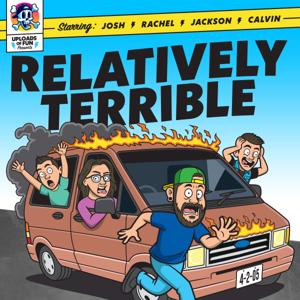
Relatively Terrible is the Uploads of Fun family questioning today's culture with humor and just enough dysfunction to feel relatable.