
Sign up to save your podcasts
Or

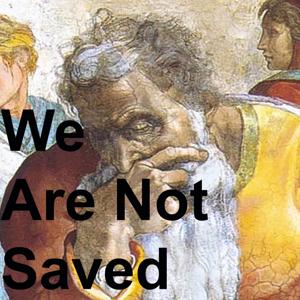

When "stigmatizing" has become a bad word and a bad thing everywhere and for every one, one brave British curmudgeon dares to demand it's return!
Romancing Opiates: Pharmacological Lies and the Addiction Bureaucracy
By: Theodore Dalrymple Published: 2006 160 Pages
Briefly, what is this book about?
This book aims to shatter some of the myths around opioid addiction. The first part covers the myth that stopping opioids cold turkey is both painful and dangerous. The second part dissects the myths propagated by literature, primarily Coleridge and De Quincey. The final part ties it into an addiction bureaucracy, though that part still references De Quincey an awful lot.
What's the author's angle?
Dalrymple worked as a prison doctor and psychiatrist for many years. Accordingly, he has a lot of experience with addicts. But he's also very culturally conservative. The combination of the two leads him to strongly oppose coddling addicts, arguing instead that they should be stigmatized.
Who should read this book?
I'm a fan of Dalrymple. I've enjoyed his columns over the years, and I appreciate his curmudgeonly British insight. I previously enjoyed and reviewed his book Life at the Bottom. I would definitely recommend that book before this book. Actually, I would not recommend this book period, unless, for some reason, you want a really deep dive into Coleridge and De Quincey's writings about opium.
Specific thoughts: Opioid addiction is not a disease?
 View all episodes
 By Jeremiah

4.7
1818 ratings
When "stigmatizing" has become a bad word and a bad thing everywhere and for every one, one brave British curmudgeon dares to demand it's return!
Romancing Opiates: Pharmacological Lies and the Addiction Bureaucracy
By: Theodore Dalrymple Published: 2006 160 Pages
Briefly, what is this book about?
This book aims to shatter some of the myths around opioid addiction. The first part covers the myth that stopping opioids cold turkey is both painful and dangerous. The second part dissects the myths propagated by literature, primarily Coleridge and De Quincey. The final part ties it into an addiction bureaucracy, though that part still references De Quincey an awful lot.
What's the author's angle?
Dalrymple worked as a prison doctor and psychiatrist for many years. Accordingly, he has a lot of experience with addicts. But he's also very culturally conservative. The combination of the two leads him to strongly oppose coddling addicts, arguing instead that they should be stigmatized.
Who should read this book?
I'm a fan of Dalrymple. I've enjoyed his columns over the years, and I appreciate his curmudgeonly British insight. I previously enjoyed and reviewed his book Life at the Bottom. I would definitely recommend that book before this book. Actually, I would not recommend this book period, unless, for some reason, you want a really deep dive into Coleridge and De Quincey's writings about opium.
Specific thoughts: Opioid addiction is not a disease?

1,967 Listeners
2,447 Listeners

111,948 Listeners

130 Listeners

7,230 Listeners
5,229 Listeners

433 Listeners

10,857 Listeners
2,857 Listeners
12 Listeners

282 Listeners

2,026 Listeners