
Sign up to save your podcasts
Or

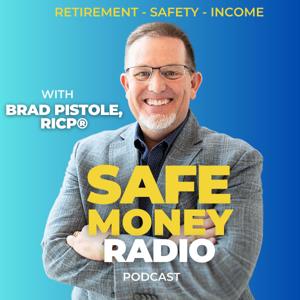


The Social Security rumor mill is relentless: “It’s going bankrupt, file at 62, take it and run.” We slow that noise down and replace it with facts you can actually plan around, starting with what the Social Security Trustees Report is really saying about the trust fund and the projected 2032 shortfall.
We talk through what “insolvency” means in plain English, why it does not mean benefits drop to zero overnight, and why a fear-based early claim can backfire by locking in a permanently reduced benefit. Then we zoom out to the part most people miss: Social Security is not a silo decision. It is retirement income planning, tax planning, and Medicare planning all at once, with real consequences for IRMAA, net benefit after Medicare premiums, and how much you may need to pull from a traditional IRA versus Roth dollars.
We also dig into the mistakes that cost retirees the most, including break-even fixation, confusion around spousal benefits and dual entitlement, and the survivor planning blind spot behind the widow’s penalty. With 11 million widows in the US and the average widow around 59.5, this is not a niche topic, it is a core planning reality.
If you want a clearer path to smart Social Security claiming strategies, listen now, then subscribe, share with a friend nearing retirement, and leave us a review so more families can plan with confidence.
Send us Fan Mail
To learn more about Brad Pistole and the Ozark Retirement Group, please visit www.ozarksretirement.com
Annuity used to be the word people wouldn’t say out loud on financial radio. Now it is the centerpiece of retirement mailers, dinner seminars, and advisor proposals everywhere. So what changed and who is actually telling the truth about guaranteed lifetime income? We walk through the shift from the 2008-2009 “never buy an annuity” era to today’s reality, where retirees are prioritizing safety, predictable cash flow, and protection from market losses that can hit hardest right when withdrawals begin.
We bring in research and plain-English explanations from top retirement income voices, including Dr. Wade Pfau’s work on annuities and risk pooling and Dr. Kevin Lynch’s case for annuities in a retirement income portfolio. We unpack the risks that derail plans: market risk, sequence of returns risk, longevity risk, inflation risk, and behavioral risk. You will also hear why longevity is the one risk you cannot diversify away with a portfolio, and how annuities use mortality credits to create higher lifetime income per dollar than most people can safely replicate with withdrawals.
We also confront the fee conversation head-on, including the long-term cost of ongoing AUM fees, and why “how much money do I have?” is the wrong retirement question compared to “how long will it last?” To tie it all together, we outline a practical framework that blends Social Security planning, annuity income (or pension income), and portfolio withdrawals, plus the survivor-planning realities behind the widow’s penalty.
If you want a clearer, more confident retirement income plan, subscribe, share this episode with a friend who is close to retirement, and leave a review so more families can find it.
Send us Fan Mail
To learn more about Brad Pistole and the Ozark Retirement Group, please visit www.ozarksretirement.com
We celebrate America at 250 by walking through how entertainment, travel, sports, technology, and everyday costs change across generations and what that means for the way we plan our lives. We connect nostalgia to real retirement planning lessons about longevity, inflation, and getting advice from the right sources.
• the shift from live local entertainment to movies, television, VHS, and streaming
• how music changes from vinyl and jukeboxes to modern touring Broadway
• travel after World War II, interstate road trips, and how flying becomes normal
• gas prices and vehicle costs as a simple way to see inflation over time
• how sports salaries explode through media, sponsorships, and global marketing
• NIL and why college sports money reshapes young athletes’ lives
• the rise of retirement communities and active retirement lifestyles
• longer retirements, higher healthcare costs, and the move from pensions to personal investments
• social media’s impact on connection and the risk of getting financial advice from TikTok
Just go to ozarksretirement.com and click on the contact us button, or you can go to 866-780-7233.
Now would be a great time to call me for a complimentary copy of my best-selling book, Bulletproof, the Safe and Secure Retirement Income Plan. And I’ll also give you a copy of my Safe Money kit. My number is 866-780 SAFE. That’s 866-780-7233.
Send us Fan Mail
To learn more about Brad Pistole and the Ozark Retirement Group, please visit www.ozarksretirement.com
The retirement rules you live under weren’t invented all at once. They were built in layers across wars, market crashes, tax law rewrites, and the slow disappearance of pensions. I’m Brad Pistole, and I’m taking you on a fast, practical timeline from 1913 to 2026 so you can stop guessing about retirement and start understanding why the system works the way it does.
We start with the creation of the Federal Reserve, then move through the Great Depression and the birth of the FDIC, when “keeping your money safe” became a national priority. From there, we dig into the Social Security Act of 1935, how the pay-as-you-go structure still drives retirement income today, and why projections around 2033 keep coming up in conversations about taxes, benefits, and retirement ages. If Social Security is 30% to 70% of a household’s income, the details matter, and so does having other income sources ready.
Then we hit the big retirement shift: the Golden Age of pensions giving way to ERISA, IRAs, and the 401(k) boom. I explain why IRA really means “individual retirement arrangement,” how that changes the way you should think about control and tax rules, and why so many retirees ended up relying on rules of thumb like the 4% rule. We also cover the Roth IRA, the Roth conversion changes that took off in 2010, and why taxes, Medicare IRMAA, and Social Security taxation can turn “tax-deferred” into a retirement problem if you don’t plan ahead.
We close with what market shocks in 2001 and 2008 taught real families, and why guaranteed lifetime income and annuities have grown as a way to build a personal pension when employers no longer provide one. If you want a clearer, calmer retirement plan, subscribe, share this with a friend, and leave a quick review so more people can find it.
Send us Fan Mail
To learn more about Brad Pistole and the Ozark Retirement Group, please visit www.ozarksretirement.com
Social Security headlines push a lot of smart people into costly snap decisions, and the most common one is racing to claim at 62 out of fear. We sit down at the American College Horizons Conference with Dr. Jason Fichtner, former deputy commissioner at the Social Security Administration and a leading voice on retirement security, to separate rumors from reality. Social Security is not “going bankrupt,” but the trust fund timeline matters and it changes how we should think about claiming, spousal protection, and building a paycheck that can last.
From there, we get practical about retirement income planning. If fewer workers have pensions, the burden shifts to your 401(k) and IRA to produce reliable income while also managing market volatility and sequence of returns risk. We talk about why “income is the outcome,” how annuities can be used as a bridge to delay Social Security, and why this is rarely an all-or-nothing choice. The point is to match the tool to the need: essential expenses, flexibility, and peace of mind.
Then Dr. Michael Finke challenges the idea that retirement success is only financial, breaking satisfaction into three pillars: money, relationships, and health. Finally, Dr. David Blanchett weighs in on the 4% rule, longevity risk, and a simple baseline approach: cover essentials with lifetime income, then decide how much liquidity and risk you truly need using a “liquidity waterfall” mindset.
If you want clearer Social Security strategy, smarter retirement spending, and a more durable retirement plan, subscribe, share this with a friend, and leave us a review. What part of your retirement plan needs the biggest upgrade right now?
Send us Fan Mail
To learn more about Brad Pistole and the Ozark Retirement Group, please visit www.ozarksretirement.com
When the market moves, your account balance may swing, but the factor that can quietly rewrite your retirement is taxes. We’re back at the American College of Financial Services Horizons conference with three interviews that zoom in on the decisions that determine how much of your IRA you actually get to keep and how much ends up going to the IRS.
First, we sit down with Ed Slott, America’s IRA expert, to unpack why Roth conversions have become so complex and so important. We talk about the SECURE Act as a true game changer, the end of the old stretch IRA for most non-spouse heirs, and how the 10-year inherited IRA rule can create a giant taxable “cliff” for your kids. Ed frames it clearly: Uncle Sam is a special kind of joint owner, and timing your tax payments when rates are low can be a powerful way to reduce future RMD pressure and build more tax-free income.
Next, Jeffrey Levine breaks down the difference between tax preparation and tax planning, and why modern financial advice keeps moving toward proactive, forward-looking strategy. We dig into continuing education, the value behind the TPCP designation, and the real goal: the lowest lifetime tax bill. That includes the hidden costs tied to income like IRMAA Medicare premiums, phaseouts, and other triggers that can make your effective rate higher than your bracket suggests.
We close with John Manganaro of The Daily Upside on the human side of retirement planning: caregiving, long-term care planning, widowhood, and why empathy and pacing matter when families are under stress. If this helped you think differently, subscribe, share it with a friend, and leave a review so more people can find smarter retirement planning.
Send us Fan Mail
To learn more about Brad Pistole and the Ozark Retirement Group, please visit www.ozarksretirement.com
The most expensive retirement mistakes are rarely about picking the wrong stock. They usually come from blind spots: taxes you did not see coming, income tools you never learned, and assets you forgot to count. From the sold-out Horizons 2026 conference, I’m sharing Part 2 of a special interview series with four nationally known retirement planning voices: Jamie Hopkins, Dr. Wade Pfau, David McKnight, and Don Graves.
Jamie Hopkins explains why most people are visual learners and how clearer visuals can make retirement planning simpler and more actionable. We also dig into “pay yourself first” as a foundation for retirement income security, plus a surprisingly powerful idea for the next chapter of life: retirement as your chance to rebuild community on purpose instead of living inside the “accidental communities” created by school and work. He also shares practical ways he teaches his kids real money skills using modern tools and hands-on experiences.
Dr. Wade Pfau brings the conversation into advanced retirement tax planning, including how to think about Roth conversions through the lens of current income, spending needs, and lifetime tax rates. We talk about real-world “cliffs” like IRMAA Medicare premium surcharges and why paying the lowest lifetime tax can matter more than avoiding taxes today. David McKnight then walks through tax-free wealth planning concepts, including how an index universal life insurance policy may serve as a volatility buffer to help manage sequence-of-returns risk and provide additional long-term care options. Finally, Don Graves makes the case for housing wealth and reverse mortgages as a legitimate fourth bucket that can strengthen cash flow and create more tax-smart withdrawal choices.
Subscribe to the podcast, share this with someone nearing retirement, and leave a review with your biggest retirement tax question so we can address it next.
Send us Fan Mail
To learn more about Brad Pistole and the Ozark Retirement Group, please visit www.ozarksretirement.com
The market can rise and fall, but your retirement plan shouldn’t feel like a roller coaster. From the sold-out Horizons 2026 conference hosted by the American College of Financial Services, we bring you three conversations with some of the most trusted voices in personal finance and retirement income planning: Gene Chatzky (HerMoney.com), Lindsay Lewis (Center for Women at the American College), and Heather Schreiber (Social Security and IRMA specialist). The common thread is simple and urgent: retirement planning gets harder after you retire, when every withdrawal, tax choice, and benefit decision becomes permanent.
We dig into the realities many families avoid talking about. Women often live longer, face career interruptions for caregiving, and may be thrust into managing money alone after a spouse dies. You’ll hear eye-opening numbers, including why widows can be younger than you’d expect, and how the shift from married filing jointly to single status can create the widow’s penalty. We also talk through what to do and what not to do after a major loss, including the value of timelines, emotional guardrails, and basic preparedness like knowing where accounts live and how two-factor authentication can trip you up when you need access most.
Then we connect the dots between Social Security claiming strategy, Medicare premiums, IRMA surcharges, and tax planning. If you’ve ever thought “I’ll just file at 62 because it’s there,” this will challenge that instinct with clear reasons to coordinate the decision with your whole retirement income plan. If you find this helpful, subscribe, share it with someone who needs a stronger plan, and leave a review with your biggest Social Security or retirement tax question.
Send us Fan Mail
To learn more about Brad Pistole and the Ozark Retirement Group, please visit www.ozarksretirement.com
Retirement plans don’t usually fail because of a bad spreadsheet. They fail because of a life event. From the sold-out Horizons 2026 conference at The American College of Financial Services, we bring you three powerful conversations that hit the real pressure points in retirement planning: widowhood, longevity risk, taxes, Social Security, Medicare costs, and the emotional weight of major transitions.
First, we sit down with Gene Chatsky of HerMoney.com and the Her Money Podcast to talk about why so many women end up managing money alone later in life. One statistic says it all: 80% of men die married, and 80% of women die single. We unpack what that means for financial independence, getting organized, and making sure both spouses understand where the money is and how the plan works before it’s urgent.
Next, Lindsay Lewis (CFP, ChFC) shares what she’s seeing with widows and why the average widow is far younger than most people assume. We dig into the “three G’s” framework (grief, growth, grace), the need for a structured 30/60/90-day game plan, and the guardrails that can prevent rushed decisions. We also cover the wealth transfer to women, the advisor talent gap, and why AI can’t replace the empathy and trust people want from a real financial advisor.
Finally, Heather Schreiber connects Social Security claiming strategy to coordinated retirement income planning. We talk about the temptation to file at 62, how permanent benefit reductions work, and how Medicare premiums and IRMAA surcharges can change your net income for life. If you want a tax-smart retirement paycheck that lasts, this conversation brings the pieces together.
Subscribe, share this with a friend who needs it, and leave a review so more families can find help planning a safer, smarter retirement.
Send us Fan Mail
To learn more about Brad Pistole and the Ozark Retirement Group, please visit www.ozarksretirement.com
You can be a thrill seeker and still buckle your seatbelt, and that simple truth is the best metaphor for retirement planning I know. With Peak 65 here, more families are reaching the “now what?” moment at the same time, and the questions are getting sharper: How do we protect the nest egg we built, create reliable income, and avoid getting forced into the wrong move when the market is down?
We walk through a Kiplinger report that says the definition of investment success is changing. Returns still matter, but retirees are increasingly measuring success by durability, flexibility, and confidence. That shift impacts how we think about safe money strategies, asset allocation, and asset location. When every goal sits inside one market-driven bucket, sequence of returns risk can turn a normal downturn into a permanent problem, especially if you are withdrawing for income and paying taxes at the same time.
From there, we tackle annuities head-on using research from Dr. Kevin Lynch, including the core problem annuities are designed to solve: you cannot guarantee a finite portfolio lasts an infinite number of years. We break down the five major retirement risks, explain mortality credits in plain English, and show why guaranteed lifetime income can function like a personal pension. We also lay out who tends to benefit most, from retirees without pensions to people who want an income floor that reduces panic selling and supports better spending decisions.
If you want a plan that’s built to hold up in real life, listen now, then subscribe, share the episode with a friend nearing retirement, and leave a review. What part of retirement feels most uncertain to you right now?
Send us Fan Mail
To learn more about Brad Pistole and the Ozark Retirement Group, please visit www.ozarksretirement.com
From the publisher's feed
Brad Pistole, RICP®, and the Ozarks Retirement Group help pre-retirees and retirees turn savings into reliable monthly income. Each episode covers Social Security timing, tax-efficient withdrawals,…

3,233 Listeners

1,962 Listeners

443 Listeners

796 Listeners
1,309 Listeners
539 Listeners
5,430 Listeners
752 Listeners

553 Listeners
699 Listeners
934 Listeners
834 Listeners
1,071 Listeners
187 Listeners
145 Listeners