
Sign up to save your podcasts
Or

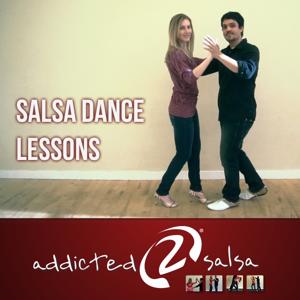


Hey fellow dance enthusiasts! I'm thrilled to share the latest gem in our salsa dance lessons on Addicted2Salsa. Today, we're diving into the captivating fusion of Bollywood and salsa dancing, where vibrant moves meet rhythmic beats, creating an unforgettable dance experience.
In our newest video, we explore the magic of Bollywood-style salsa, drawing inspiration from iconic dance sequences in Bollywood movies that seamlessly blend the flair of Indian cinema with the passion of salsa. Picture yourself gliding across the dance floor, effortlessly syncing your steps to the infectious rhythm of songs like "Touch Me" from the Bollywood blockbuster "Dhoom 2."
Embark on a cultural journey as we decode the graceful footwork, expressive hand movements, and the undeniable energy that Bollywood salsa brings to the dance floor. You don't need any prior dance experience; our lessons are designed to make learning salsa a breeze, while infusing the spirit of Bollywood seamlessly into every step.
Practice this material with counts first and music second. If your timing stays clear without rushing, the move will feel easier and more musical once you add full speed.
The real payoff is confidence with the music. When you can feel where the rhythm sits, everything else in your salsa looks calmer and more intentional.
In this salsa dance video episode we will teach you the Lock-Twirl hand switch salsa dance combo move. Thank you very much for following and supporting addicted2salsa and hope our videos are useful and enjoyable to learn.
Practice the move in sections and keep the connection controlled and precise. Once the setup and transitions feel obvious, the pattern becomes much easier to use socially.
Save the full version for moments when the floor and the partnership can support it, and use the cleanest section first.
This video will briefly describe the difference between dancing salsa on on1 timing compared to dancing salsa on2 timing. The main difference is on which step do you 'break' when doing the basic salsa dance step. This is one of the most common questions we get, and we decided to answer it in video form.
Practice this material with counts first and music second. Once the rhythm feels steady, add expression without letting the timing drift.
Stronger rhythm awareness helps every other part of salsa. Even if the move itself is simple, better timing makes the whole dance look calmer and more confident.
This video will help you practice finding the beat to salsa music and rhythms of the steps you have learned, helping you mark your timing with your salsa dance basic steps. We use two rhythm tracks (2-3 clave) from our app Pocket Salsa. The first is the 'Montuno Basic' and the second one, faster, 'Descarga Montuno' salsa music track.
This video is for the On1 timing (sometimes called L.A. Style Salsa). The most important aspect of finding the beat is to make sure you are using the "Clave" instrument to determine timing. The tracks played in the salsa video are based on the 2-3 clave timing, which means that your salsa steps 2 and 3 should be taken when you hear the double clave hit ("tap-tap") in the track. If this was a 3-2 clave (reverse), the double clave hit would mark your steps 6 and 7.
Use this lesson as a repeatable practice module: review the explanation, run the movement slowly, and revisit it before class or a social. Short, frequent review is what turns app-based study into real progress.
These short lessons work best as reinforcement. Learn one useful idea, test it in real dancing, then come back and clean up what felt uncertain.
Thank you for coming back to addicted2salsa.com for salsa dance videos. We are now back with a new salsa dance video. For this salsa dancing move, we wanted to challenge ourselves in chaining as many terms as we could together. Later we realized that it wouldn't fit in the video show title. Enjoy!
Practice the move in sections and keep the connection controlled and precise. Once the setup and transitions feel obvious, the pattern becomes much easier to use socially.
Save the full version for moments when the floor and the partnership can support it, and use the cleanest section first.
In our never ending quest to make you better salsa dancers, we made this video to help show you how shines and footwork fit into regular salsa social dancing. We have gotten a lot of requests on shines and how they look when doing patterns. Jocelyn will show you a shine for ladies and Anthony Persaud will show you a shine for guys. Both shines will be put together in regular dancing. Enjoy and Happy New Year!
Build the structure first, then add styling. The styling layer should make the move look more musical, not make the timing harder to follow.
In real dancing, styling should support the partnership and the music. Use the cleanest moments from the lesson and keep them proportional to the space you have.
This video will show the ladies how to add dance styling to their salsa dancing basic turns. Jocelyn will explain how to add styling to the salsa right turn and the salsa left turn. This is the second part of hand and arm styling for salsa. To watch the first part, which is Episode 80, you can view it here: Ladies Hand Styling in Salsa Dancing
Start small and organized. Better posture, cleaner preparation, and calmer head placement will improve your turns faster than trying to spin harder.
On the social floor, control matters more than quantity. One stable, well-prepared turn is usually more effective than multiple rushed ones.
We have a great salsa lesson explaining hand and arm styling for the ladies for their salsa dancing. We are trying something new by doing a 'zoomed-in' view of the hands. Hopefully this gives the ladies more salsa movies and techniques to improve their dancing. The next lesson will focus on how to add hand and arm styling to turns.
Start small and organized. Better posture, cleaner preparation, and calmer head placement will improve your turns faster than trying to spin harder.
On the social floor, control matters more than quantity. One stable, well-prepared turn is usually more effective than multiple rushed ones.
Wind Waker is a good example of how salsa combinations become memorable: not because they are long, but because they combine familiar actions with a distinct rhythm and shape. In this case, the pattern borrows from windmill-style movement and other circular ideas, then packages them into a quick social sequence.
That makes this lesson especially useful for dancers who already know a few intermediate turns but want better flow between them.
The move looks more impressive when the transitions stay relaxed. If you try to force the pattern, the circular feeling disappears.
First, isolate the individual pieces you recognize from other lessons. Then practice the points where direction changes. Only after that should you worry about style or speed.
This approach keeps the combination from turning into a blur of arms and momentum.
The original lesson notes the song "Reflexiones" by Tito Rodriguez Jr., and that matters because combinations like this look best when they breathe with the music instead of racing ahead of it. Let the phrasing help you, especially when the pattern changes direction.
When the timing, redirection, and connection stay calm, Wind Waker feels stylish instead of complicated.
Anthony Persaud and Jocelyn Rosero will teach you another intermediate salsa dancing move that will get you into a left sided hammerlock position. This salsa dance move is called "Pass Behind the Back" lock since you actually travel in similar fashion to performing a "Coca Cola Salsa" move with your partner, but end up on the ladies left slot size. From there, you can perform any of the other salsa dance combinations that you know. The song used in the video is "Guarare".
Build the structure first, then add styling. The styling layer should make the move look more musical, not make the timing harder to follow.
In real dancing, styling should support the partnership and the music. Use the cleanest moments from the lesson and keep them proportional to the space you have.
From the publisher's feed