
Sign up to save your podcasts
Or



Based on Podcast App listening data
Feel free to comment on your sound ideas in a review, what type of sleep sound you want to have uploaded to this podcast?
Get the benefits of good quality sleep, try Slow Sleep App: https://podlink.to/slow-sleep-app
Get free access to 8-12 hour long sleep episodes here:
YouTube: https://podlink.to/youtube-long-sleep-playlists
Spotify: https://podlink.to/long-sleep-playlist
Deezer: https://podlink.to/long-sleep-playlist
Apple Music: https://podlink.to/long-sleep-playlist
Are you getting enough sleep at night? According to the National Institutes of Health (NIH), about 1 in 3 American adults do not get healthy amounts of sleep. This can lead to unhealthy stress that can make the problem even worse.
How much sleep do I need? How much sleep is recommended? The NIH says adults need 7-8 hours of sleep each night to stay in good mental and physical health, promote quality of life, and avoid an increased risk of injury. They recommend these tips for getting a good night’s sleep:
How do I know if I'm sleep-deprived? A person who is getting too little quality sleep, six hours or less, may experience a range of symptoms, including; fatigue, irritability, mood changes, difficulty focusing and remembering, and reduced sex drive.
Signs of sleep deprivation. Feeling drowsy or falling asleep during the day, especially during calm activities like driving, watching TV. Falling asleep within 5 minutes of lying down. Short periods of sleep during waking hours (microsleeps) Needing an alarm clock to wake up on time every day.
What to do when you can’t sleep? How to sleep better? Getting good quality sleep is all about cultivating good habits. Your internal body clock also aka. your circadian rhythm needs consistency. This podcast is created to help you create good sleep habits. We, therefore, recommend you try using this podcast daily if you feel sleep-deprived or tired during the day.
Here are 10 easy tips to get more sleep.
1: Create a daily routine 1 hour before bedtime to help you relax before sleep Set a bedtime alarm and listen to the Sleep Meditation Podcast. Turn off all screens, dim the lights and try to breathe and relax.
2: Go to bed at the same time each night, and get up at the same time each morning, even on the weekends.
3: Don't take naps after 3 p.m, and don't nap longer than 20 minutes.
4: Stay away from caffeine and alcohol late in the day.
5: Avoid nicotine completely.
6: Get regular exercise, but not within 2-3 hours of bedtime.
7: Don't eat a heavy meal late in the day.
8: Make your bedroom cool, comfortable and dark.
9: Don’t lie in bed awake. If you can’t fall asleep after 20 minutes, do something calming until you feel sleepy, like reading or listening to nature sounds, binaural beats, delta waves for sleep, rain sounds, ocean sounds, etc.
10: Talk with a doctor if you continue to have trouble sleeping.
On this Sleep Podcast you will find:
Relaxing nature sounds, sleep soundscapes, binaural beats, deep sleep sounds, rain sounds, ocean sounds, ocean waves, white noise machines, thunderstorms, waterfall sounds, baby sleep sounds, tinnitus masker sounds, jungle, forest sounds, relaxing music, and guided sleep meditations.
We hope this channel will help you with your sleepless nights, insomnia, sleep apnea, sleep paralysis. Use this podcast as your daily sleep podcast and experience the benefits of good quality sleep. We recommend that you talk with a doctor if your sleep doesn't improve.
Have a relaxing day and sleep well :)
📱 Download our sleep app, Slow! https://slow-app.com/
😴 Become a premium podcast member and get longer episodes: https://podcasters.spotify.com/pod/show/sleeppodcast/subscribe
😴 Spotify Sleep Playlist: https://linktr.ee/sleeppodcast
Share your feedback.
About the Slow Sleep App: https://slow-app.com/
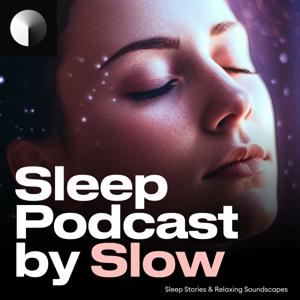
Sleep Podcast by Slow:
We hope this podcast channel will assist you in overcoming sleepless nights, insomnia, sleep apnea, and sleep paralysis. Make it a part of your daily sleep routine and experience the benefits of restful sleep. If you continue to experience sleep troubles, we recommend consulting a medical professional.
101 Guide To Better Sleep:
Establish a Consistent Sleep Schedule: Go to bed and wake up at the same time every day, even on weekends. This helps regulate your body's internal clock.
Create a Relaxing Bedtime Routine: Develop calming activities before bed, such as reading, listening to something relaxing, taking a warm bath, or practicing gentle yoga, to signal to your body that it's time to wind down.
Create a Comfortable Sleep Environment: Make sure your bedroom is conducive to sleep by keeping it dark, quiet, and at a comfortable temperature. A comfortable mattress and pillows are also crucial.
Limit Screen Time Before Bed: The blue light emitted by phones, tablets, and computers can interfere with your body's production of melatonin, a hormone that regulates sleep. Try to avoid screens at least an hour before bedtime.
Be Mindful of What You Eat and Drink: Avoid heavy meals, caffeine, and alcohol close to bedtime. These can disrupt your sleep or make it harder to fall asleep.
Get Regular Exercise: Regular physical activity can improve sleep, but try to finish exercise at least a few hours before bedtime to give your body time to wind down.
Manage Stress: Practice stress-reduction techniques like meditation, deep breathing, or progressive muscle relaxation to calm your mind before sleep.
Limit Daytime Naps: If you need to nap, keep it short (20-30 minutes) and avoid napping too close to bedtime.
Expose Yourself to Natural Light: Getting sunlight exposure during the day helps regulate your body's internal clock and improves sleep quality.
Limit Liquid Intake Before Bed: Reduce the likelihood of waking up in the middle of the night to use the bathroom by cutting down on fluids before bedtime.
Avoid Clock Watching: Constantly checking the time while trying to sleep can increase anxiety and make it harder to fall asleep.
Consult a Healthcare Professional: If you consistently struggle with sleep despite trying these tips, consider speaking with a healthcare provider to rule out any underlying sleep disorders.
Feel free to comment on your sound ideas in a review, what type of sleep sound you want to have uploaded to this podcast?
Get the benefits of good quality sleep, try Slow Sleep App: https://podlink.to/slow-sleep-app
Get free access to 8-12 hour long sleep episodes here:
YouTube: https://podlink.to/youtube-long-sleep-playlists
Spotify: https://podlink.to/long-sleep-playlist
Deezer: https://podlink.to/long-sleep-playlist
Apple Music: https://podlink.to/long-sleep-playlist
Are you getting enough sleep at night? According to the National Institutes of Health (NIH), about 1 in 3 American adults do not get healthy amounts of sleep. This can lead to unhealthy stress that can make the problem even worse.
How much sleep do I need? How much sleep is recommended? The NIH says adults need 7-8 hours of sleep each night to stay in good mental and physical health, promote quality of life, and avoid an increased risk of injury. They recommend these tips for getting a good night’s sleep:
How do I know if I'm sleep-deprived? A person who is getting too little quality sleep, six hours or less, may experience a range of symptoms, including; fatigue, irritability, mood changes, difficulty focusing and remembering, and reduced sex drive.
Signs of sleep deprivation. Feeling drowsy or falling asleep during the day, especially during calm activities like driving, watching TV. Falling asleep within 5 minutes of lying down. Short periods of sleep during waking hours (microsleeps) Needing an alarm clock to wake up on time every day.
What to do when you can’t sleep? How to sleep better? Getting good quality sleep is all about cultivating good habits. Your internal body clock also aka. your circadian rhythm needs consistency. This podcast is created to help you create good sleep habits. We, therefore, recommend you try using this podcast daily if you feel sleep-deprived or tired during the day.
Here are 10 easy tips to get more sleep.
1: Create a daily routine 1 hour before bedtime to help you relax before sleep Set a bedtime alarm and listen to the Sleep Meditation Podcast. Turn off all screens, dim the lights and try to breathe and relax.
2: Go to bed at the same time each night, and get up at the same time each morning, even on the weekends.
3: Don't take naps after 3 p.m, and don't nap longer than 20 minutes.
4: Stay away from caffeine and alcohol late in the day.
5: Avoid nicotine completely.
6: Get regular exercise, but not within 2-3 hours of bedtime.
7: Don't eat a heavy meal late in the day.
8: Make your bedroom cool, comfortable and dark.
9: Don’t lie in bed awake. If you can’t fall asleep after 20 minutes, do something calming until you feel sleepy, like reading or listening to nature sounds, binaural beats, delta waves for sleep, rain sounds, ocean sounds, etc.
10: Talk with a doctor if you continue to have trouble sleeping.
On this Sleep Podcast you will find:
Relaxing nature sounds, sleep soundscapes, binaural beats, deep sleep sounds, rain sounds, ocean sounds, ocean waves, white noise machines, thunderstorms, waterfall sounds, baby sleep sounds, tinnitus masker sounds, jungle, forest sounds, relaxing music, and guided sleep meditations.
We hope this channel will help you with your sleepless nights, insomnia, sleep apnea, sleep paralysis. Use this podcast as your daily sleep podcast and experience the benefits of good quality sleep. We recommend that you talk with a doctor if your sleep doesn't improve.
Have a relaxing day and sleep well :)
Did you like this sound? Write, Yes or No in the comments. Feel free to leave your sound request in the comments. What type of sleep sound do you want to have uploaded to this channel?
Get full access here:
Get the best sleep with Slow Sleep App: https://podlink.to/slow-sleep-app
Spotify: https://podlink.to/long-sleep-playlist
Deezer: https://podlink.to/long-sleep-playlist
Apple Music: https://podlink.to/long-sleep-playlist
Are you getting enough sleep at night? According to the National Institutes of Health (NIH), about 1 in 3 American adults do not get healthy amounts of sleep. This can lead to unhealthy stress that can make the problem even worse.
How much sleep do I need? How much sleep is recommended? The NIH says adults need 7-8 hours of sleep each night to stay in good mental and physical health, promote quality of life, and avoid an increased risk of injury.
How do I know if I'm sleep-deprived? A person who is getting too little quality sleep, six hours or less, may experience a range of symptoms, including; fatigue, irritability, mood changes, difficulty focusing and remembering, and reduced sex drive.
Signs of sleep deprivation. Feeling drowsy or falling asleep during the day, especially during calm activities like driving, watching TV. Falling asleep within 5 minutes of lying down. Short periods of sleep during waking hours (microsleeps) Needing an alarm clock to wake up on time every day.
What to do when you can’t sleep? How to sleep better? Getting good quality sleep is all about cultivating good habits. Your internal body clock also aka. your circadian rhythm needs consistency. This podcast is created to help you create good sleep habits. We, therefore, recommend you try using this podcast daily if you feel sleep-deprived or tired during the day.
Here are 10 easy tips to get more sleep.
1: Create a daily routine 1 hour before bedtime to help you relax before sleep Set a bedtime alarm and listen to the Sleep Meditation Podcast. Turn off all screens, dim the lights and try to breathe and relax.
2: Go to bed at the same time each night, and get up at the same time each morning, even on the weekends.
3: Don't take naps after 3 p.m, and don't nap longer than 20 minutes.
4: Stay away from caffeine and alcohol late in the day.
5: Avoid nicotine completely.
6: Get regular exercise, but not within 2-3 hours of bedtime.
7: Don't eat a heavy meal late in the day.
8: Make your bedroom cool, comfortable and dark.
9: Don’t lie in bed awake. If you can’t fall asleep after 20 minutes, do something calming until you feel sleepy, like reading or listening to nature sounds, binaural beats, delta waves for sleep, rain sounds, ocean sounds, etc.
10: Talk with a doctor if you continue to have trouble sleeping.
On this Sleep Meditation Podcast you will find:
Relaxing nature sounds, sleep #soundscapes, binaural beats, deep #sleep sounds, rain sounds, #asmr, ocean sounds, ocean waves, white noise machines, thunderstorms, waterfall sounds, baby sleep sounds, #tinnitus masker sounds, jungle, forest sounds, relaxing music, and guided sleep meditations.
We hope this channel will help you with your sleepless nights, #insomnia, sleep #apnea, sleep paralysis. Use this podcast as your daily sleep podcast and experience the benefits of good quality sleep. We recommend that you talk with a doctor if your sleep doesn't improve.
Have a relaxing day and sleep well :)
Feel free to comment on your sound ideas in a review, what type of sleep sound you want to have uploaded to this podcast?
Get the benefits of good quality sleep, try Slow Sleep App: https://podlink.to/slow-sleep-app
Get free access to 8-12 hour long sleep episodes here:
YouTube: https://podlink.to/youtube-long-sleep-playlists
Spotify: https://podlink.to/long-sleep-playlist
Deezer: https://podlink.to/long-sleep-playlist
Apple Music: https://podlink.to/long-sleep-playlist
Are you getting enough sleep at night? According to the National Institutes of Health (NIH), about 1 in 3 American adults do not get healthy amounts of sleep. This can lead to unhealthy stress that can make the problem even worse.
How much sleep do I need? How much sleep is recommended? The NIH says adults need 7-8 hours of sleep each night to stay in good mental and physical health, promote quality of life, and avoid an increased risk of injury. They recommend these tips for getting a good night’s sleep:
How do I know if I'm sleep-deprived? A person who is getting too little quality sleep, six hours or less, may experience a range of symptoms, including; fatigue, irritability, mood changes, difficulty focusing and remembering, and reduced sex drive.
Signs of sleep deprivation. Feeling drowsy or falling asleep during the day, especially during calm activities like driving, watching TV. Falling asleep within 5 minutes of lying down. Short periods of sleep during waking hours (microsleeps) Needing an alarm clock to wake up on time every day.
What to do when you can’t sleep? How to sleep better? Getting good quality sleep is all about cultivating good habits. Your internal body clock also aka. your circadian rhythm needs consistency. This podcast is created to help you create good sleep habits. We, therefore, recommend you try using this podcast daily if you feel sleep-deprived or tired during the day.
Here are 10 easy tips to get more sleep.
1: Create a daily routine 1 hour before bedtime to help you relax before sleep Set a bedtime alarm and listen to the Sleep Meditation Podcast. Turn off all screens, dim the lights and try to breathe and relax.
2: Go to bed at the same time each night, and get up at the same time each morning, even on the weekends.
3: Don't take naps after 3 p.m, and don't nap longer than 20 minutes.
4: Stay away from caffeine and alcohol late in the day.
5: Avoid nicotine completely.
6: Get regular exercise, but not within 2-3 hours of bedtime.
7: Don't eat a heavy meal late in the day.
8: Make your bedroom cool, comfortable and dark.
9: Don’t lie in bed awake. If you can’t fall asleep after 20 minutes, do something calming until you feel sleepy, like reading or listening to nature sounds, binaural beats, delta waves for sleep, rain sounds, ocean sounds, etc.
10: Talk with a doctor if you continue to have trouble sleeping.
On this Sleep Podcast you will find:
Relaxing nature sounds, sleep soundscapes, binaural beats, deep sleep sounds, rain sounds, ocean sounds, ocean waves, white noise machines, thunderstorms, waterfall sounds, baby sleep sounds, tinnitus masker sounds, jungle, forest sounds, relaxing music, and guided sleep meditations.
We hope this channel will help you with your sleepless nights, insomnia, sleep apnea, sleep paralysis. Use this podcast as your daily sleep podcast and experience the benefits of good quality sleep. We recommend that you talk with a doctor if your sleep doesn't improve.
Have a relaxing day and sleep well :)
Did you like this sound? Write, Yes or No in the comments. Feel free to leave your sound request in the comments. What type of sleep sound do you want to have uploaded to this channel?
Get full access here:
Get the best sleep with Slow Sleep App: https://podlink.to/slow-sleep-app
Spotify: https://podlink.to/long-sleep-playlist
Deezer: https://podlink.to/long-sleep-playlist
Apple Music: https://podlink.to/long-sleep-playlist
Are you getting enough sleep at night? According to the National Institutes of Health (NIH), about 1 in 3 American adults do not get healthy amounts of sleep. This can lead to unhealthy stress that can make the problem even worse.
How much sleep do I need? How much sleep is recommended? The NIH says adults need 7-8 hours of sleep each night to stay in good mental and physical health, promote quality of life, and avoid an increased risk of injury.
How do I know if I'm sleep-deprived? A person who is getting too little quality sleep, six hours or less, may experience a range of symptoms, including; fatigue, irritability, mood changes, difficulty focusing and remembering, and reduced sex drive.
Signs of sleep deprivation. Feeling drowsy or falling asleep during the day, especially during calm activities like driving, watching TV. Falling asleep within 5 minutes of lying down. Short periods of sleep during waking hours (microsleeps) Needing an alarm clock to wake up on time every day.
What to do when you can’t sleep? How to sleep better? Getting good quality sleep is all about cultivating good habits. Your internal body clock also aka. your circadian rhythm needs consistency. This podcast is created to help you create good sleep habits. We, therefore, recommend you try using this podcast daily if you feel sleep-deprived or tired during the day.
Here are 10 easy tips to get more sleep.
1: Create a daily routine 1 hour before bedtime to help you relax before sleep Set a bedtime alarm and listen to the Sleep Meditation Podcast. Turn off all screens, dim the lights and try to breathe and relax.
2: Go to bed at the same time each night, and get up at the same time each morning, even on the weekends.
3: Don't take naps after 3 p.m, and don't nap longer than 20 minutes.
4: Stay away from caffeine and alcohol late in the day.
5: Avoid nicotine completely.
6: Get regular exercise, but not within 2-3 hours of bedtime.
7: Don't eat a heavy meal late in the day.
8: Make your bedroom cool, comfortable and dark.
9: Don’t lie in bed awake. If you can’t fall asleep after 20 minutes, do something calming until you feel sleepy, like reading or listening to nature sounds, binaural beats, delta waves for sleep, rain sounds, ocean sounds, etc.
10: Talk with a doctor if you continue to have trouble sleeping.
On this Sleep Meditation Podcast you will find:
Relaxing nature sounds, sleep #soundscapes, binaural beats, deep #sleep sounds, rain sounds, #asmr, ocean sounds, ocean waves, white noise machines, thunderstorms, waterfall sounds, baby sleep sounds, #tinnitus masker sounds, jungle, forest sounds, relaxing music, and guided sleep meditations.
We hope this channel will help you with your sleepless nights, #insomnia, sleep #apnea, sleep paralysis. Use this podcast as your daily sleep podcast and experience the benefits of good quality sleep. We recommend that you talk with a doctor if your sleep doesn't improve.
Have a relaxing day and sleep well :)
Feel free to comment on your sound ideas in a review, what type of sleep sound you want to have uploaded to this podcast?
Get the benefits of good quality sleep, try Slow Sleep App: https://podlink.to/slow-sleep-app
Get free access to 8-12 hour long sleep episodes here:
YouTube: https://podlink.to/youtube-long-sleep-playlists
Spotify: https://podlink.to/long-sleep-playlist
Deezer: https://podlink.to/long-sleep-playlist
Apple Music: https://podlink.to/long-sleep-playlist
Are you getting enough sleep at night? According to the National Institutes of Health (NIH), about 1 in 3 American adults do not get healthy amounts of sleep. This can lead to unhealthy stress that can make the problem even worse.
How much sleep do I need? How much sleep is recommended? The NIH says adults need 7-8 hours of sleep each night to stay in good mental and physical health, promote quality of life, and avoid an increased risk of injury. They recommend these tips for getting a good night’s sleep:
How do I know if I'm sleep-deprived? A person who is getting too little quality sleep, six hours or less, may experience a range of symptoms, including; fatigue, irritability, mood changes, difficulty focusing and remembering, and reduced sex drive.
Signs of sleep deprivation. Feeling drowsy or falling asleep during the day, especially during calm activities like driving, watching TV. Falling asleep within 5 minutes of lying down. Short periods of sleep during waking hours (microsleeps) Needing an alarm clock to wake up on time every day.
What to do when you can’t sleep? How to sleep better? Getting good quality sleep is all about cultivating good habits. Your internal body clock also aka. your circadian rhythm needs consistency. This podcast is created to help you create good sleep habits. We, therefore, recommend you try using this podcast daily if you feel sleep-deprived or tired during the day.
Here are 10 easy tips to get more sleep.
1: Create a daily routine 1 hour before bedtime to help you relax before sleep Set a bedtime alarm and listen to the Sleep Meditation Podcast. Turn off all screens, dim the lights and try to breathe and relax.
2: Go to bed at the same time each night, and get up at the same time each morning, even on the weekends.
3: Don't take naps after 3 p.m, and don't nap longer than 20 minutes.
4: Stay away from caffeine and alcohol late in the day.
5: Avoid nicotine completely.
6: Get regular exercise, but not within 2-3 hours of bedtime.
7: Don't eat a heavy meal late in the day.
8: Make your bedroom cool, comfortable and dark.
9: Don’t lie in bed awake. If you can’t fall asleep after 20 minutes, do something calming until you feel sleepy, like reading or listening to nature sounds, binaural beats, delta waves for sleep, rain sounds, ocean sounds, etc.
10: Talk with a doctor if you continue to have trouble sleeping.
On this Sleep Podcast you will find:
Relaxing nature sounds, sleep soundscapes, binaural beats, deep sleep sounds, rain sounds, ocean sounds, ocean waves, white noise machines, thunderstorms, waterfall sounds, baby sleep sounds, tinnitus masker sounds, jungle, forest sounds, relaxing music, and guided sleep meditations.
We hope this channel will help you with your sleepless nights, insomnia, sleep apnea, sleep paralysis. Use this podcast as your daily sleep podcast and experience the benefits of good quality sleep. We recommend that you talk with a doctor if your sleep doesn't improve.
Have a relaxing day and sleep well :)
From the publisher's feed
Ranked by our users in the last 21 days
1,121 Listeners
2,218 Listeners
9,351 Listeners

725 Listeners
770 Listeners

891 Listeners
757 Listeners
1,179 Listeners
1,612 Listeners

616 Listeners

86 Listeners

481 Listeners

117 Listeners
93 Listeners

129 Listeners