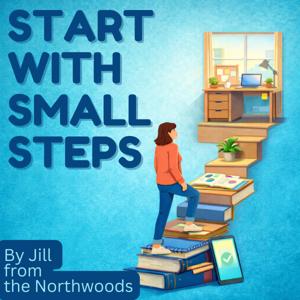
Have you ever noticed that some people’s lives just keep circling the same drain, the same money problems, the same blown-up relationships, year after year, while other people who started at the same place, sometimes with worse breaks, quietly get better and better? I dig into the difference this week, and it isn’t luck. It’s one simple, almost bumper-sticker principle that’s so easy to ignore we forget it exists most days: you reap what you sow. Whatever field you’re standing in right now, you planted it, even if what you planted was nothing at all.
The Principle Behind the Bumper Sticker
Galatians puts it plainly: whatever one sows, that he will also reap. Farmers have known it since the beginning of time. You don’t plant nothing and get something, and the parts of life we skip past most, tempers, marriages, bank accounts, work, all follow the same rule with total reliability.
The Timing Trap
The thing that trips almost everyone up is the gap between planting and harvest. Nobody plants a seed Monday and pulls up a plant Tuesday, but when nothing is visible yet, most people assume nothing is happening at all and give up right there.
Three Fields, Three Outcomes
I walk through the three fields most of us are tending right now: the field of anger, where small daily plantings like sarcasm and grudges grow fast like weeds; the empty field, where waiting for motivation or the right moment doesn’t keep things neutral, it drifts backward and grows weeds anyway; and the field of progress, the boring, unglamorous kind, a ten-minute walk, an honest apology, a dollar saved, that compounds into something unrecognizable over a season.
Small Seeds, Big Harvests
The size of the seed doesn’t match the size of the harvest. Mustard seeds grow into trees. It isn’t the size of the action that matters, it’s whether you plant anything at all, and that’s the lie that keeps so many of us paralyzed waiting for a big enough move to make.
Your One Small Step
This week, name one field, just one, and name one plant to get moving in it. Don’t try to fix ten things. If health is your field, what’s the one easy thing that gets you started? If it’s money, what’s the one thing you could give up and start saving instead?
If you’ve been standing in an empty field waiting for the right feeling or the right moment to show up first, this is your reminder that the waiting itself is the choice. Plant something small today, and let the season do the rest.
You can reach me anytime at [email protected], and you’ll find every way to connect at jillfromthenorthwoods.com.
Jill’s Links
https://jillfromthenorthwoods.com/ - Find my podcasts, videos, downloads and ways to contact me
https://www.buymeacoffee.com/smallstepspod
https://x.com/NorthWoodsJill
https://www.youtube.com/@startwithsmallsteps
Email the podcast at [email protected]
By choosing to watch this video or listen to this podcast, you acknowledge that you are doing so of your own free will. The content shared here reflects personal experiences and opinions and is intended for informational and inspirational purposes only. I am not a licensed therapist, life coach, or mental health professional. Any habits, strategies, or suggestions offered should not be considered a substitute for professional medical, psychological, or counseling advice. Results vary — small steps look different for everyone. You are solely responsible for any decisions or actions you take based on this content.