
Sign up to save your podcasts
Or

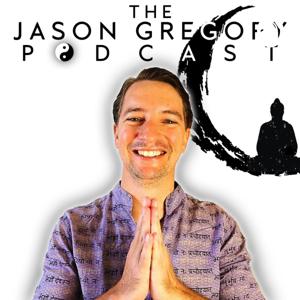

In the episode of Enlightenment Today, I will explain how to experience everlasting bliss. In Vedanta, they speak of ananda, a bliss that is everlasting. But ananda is not an associated form of happiness, rather it is unassociated. Taoism also agrees with the views of Vedanta and have an identical view. In the Tao Te Ching, Lao-tzu explains that there is a contentment of contentment we can experience which is beyond partiality. Both traditions postulate that unassociated bliss is our true nature. But most of us don't even know what that means, nor have we experienced it. We need to first ask ourselves, what does unassociated bliss really mean? And if it is true, what steps do we have to take to experience this everlasting happiness?
 View all episodes
 By Jason Gregory

4.6
5050 ratings
In the episode of Enlightenment Today, I will explain how to experience everlasting bliss. In Vedanta, they speak of ananda, a bliss that is everlasting. But ananda is not an associated form of happiness, rather it is unassociated. Taoism also agrees with the views of Vedanta and have an identical view. In the Tao Te Ching, Lao-tzu explains that there is a contentment of contentment we can experience which is beyond partiality. Both traditions postulate that unassociated bliss is our true nature. But most of us don't even know what that means, nor have we experienced it. We need to first ask ourselves, what does unassociated bliss really mean? And if it is true, what steps do we have to take to experience this everlasting happiness?
1,019 Listeners

8,470 Listeners
603 Listeners
96 Listeners