
Sign up to save your podcasts
Or

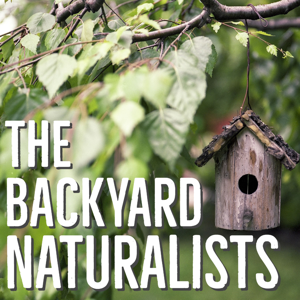


In this episode of The Backyard Naturalists, Debbie Foster and Laurie Horne take us into the fascinating world of barred owls, inspired by a local owl box success story just in time for Earth Day. From the excitement of watching young owlets leave the nest to the unmistakable "who cooks for you?" presence of barred owls in the Carolinas, this conversation explores how these remarkable birds live, hunt, nest, and raise their young in our neighborhoods and natural spaces.
Debbie and Laurie discuss what makes barred owls such efficient hunters, including their almost silent flight, incredible night vision, asymmetrical ear openings, and the ability to pinpoint prey by sound alone. They also share practical ways listeners can help barred owls thrive, such as protecting large mature trees, considering properly placed owl nesting boxes, and reducing pesticide use. Whether you have heard barred owls calling in your own backyard or are hoping to spot one on a local greenway, this episode will deepen your appreciation for one of North America's most recognizable and adaptable owls.
In this episode, you'll learn about:
In this episode of The Backyard Naturalists, Debbie Foster and Laurie Horne invite listeners to take a closer look at what is happening right now in their own backyard habitat. Whether you have an apartment balcony, a small patio, a suburban yard, or acres of land, every space has the potential to support wildlife. As spring settles into the Carolinas, Debbie, Laurie, and Chris talk about the seasonal changes they are seeing and hearing — from catbirds returning and bluebirds fledging to singing frogs, butterflies, lizards, bats, deer, and even the occasional snake.
The conversation also turns practical, with timely tips for making your habitat more wildlife-friendly during spring and early summer. The hosts discuss maintaining nest boxes, keeping birdbaths clean and filled during dry weather, offering fresh food sources like live mealworms and suet, and using natural yard materials to create shelter for birds, rabbits, reptiles, and other small animals. They also explain why reducing chemical use — especially mosquito sprays, weed killers, and synthetic fertilizers — can make a big difference for the health of your backyard ecosystem. This episode is a helpful reminder that a little "mess" in the yard can be a very good thing when your goal is to welcome wildlife.
In this episode, you'll learn about:
What do you do when tadpoles take over a horse trough? In this fun and wide-ranging episode of The Backyard Naturalists, Debbie, Laurie, and Chris dive into the fascinating world of tadpoles after a listener from California asks how to handle an unexpected amphibian boom in her horses' water troughs. Along the way, the conversation explores why frogs choose certain places to lay eggs, what tadpoles need to survive, and how understanding wildlife habitat — food, water, shelter, and places to raise young, can help explain nature's behavior right in your own backyard.
Listeners will also learn practical tips for encouraging or discouraging tadpoles, what they eat as they grow, why shade and clean water matter, and how these tiny creatures can actually provide natural mosquito control. Equal parts educational and entertaining, this episode is a reminder that even a simple horse trough can become a window into the amazing processes of metamorphosis, backyard ecology, and the everyday wonder of the natural world.
In this special Earth Day episode of The Backyard Naturalists, Debbie, Laurie, and Chris celebrate Earth Day 2026 by exploring the history behind this global movement and sharing practical, everyday ways listeners can make a real difference for the planet. From the surprising origins of Earth Day in 1970 to the staggering number of people who now participate around the world, this episode is packed with inspiration, useful resources, and plenty of the lively conversation listeners love.
The trio highlights simple but meaningful actions you can take right now — from skipping plastic bags and straws to planting native trees, supporting pollinators, reducing chemical use, choosing shade-grown coffee, and voting with your dollars for environmentally responsible products and businesses. Whether you're already an avid environmental advocate or just looking for a few easy Earth Day ideas, this episode is a motivating reminder that caring for the planet does not have to be complicated. Small actions matter, and together they add up in a big way.
In this fun and fast-moving second installment of "How Big Is It?", Debbie and Laurie explore some of the biggest creatures in the natural world—from the world's largest vulture and giant hummingbird to the Komodo dragon, Goliath frog, capybara, and even a massive Australian sea snail. Along the way, they share surprising facts about size, habitat, diet, and behavior, with plenty of laughter and off-the-cuff conversation that makes this episode feel like you're sitting right at the kitchen table with them.
Listeners will come away with a new appreciation for the incredible diversity of wildlife around the globe, including species from South America, Australia, Indonesia, and Africa. Whether you are fascinated by record-breaking animals, love quirky nature trivia, or just enjoy hearing nature explained in an entertaining and approachable way, this episode delivers. It is a lighthearted but informative look at some of the most astonishing animals on Earth—and a reminder that nature is always bigger, stranger, and more wonderful than we expect.
This week on The Backyard Naturalists, we're bringing back a timely favorite from last spring as an encore presentation packed with practical, eco-friendly garden advice. Debbie and Laurie revisit smart, natural solutions for some of the season's most common backyard headaches, including weeds, garden pests, and unwanted plant invaders. From weed control methods like solarization and hand-pulling to chemical-free pest strategies using neem oil, diatomaceous earth, and even beer traps, this episode is full of easy, earth-friendly ideas for a healthier yard and garden.
You'll also hear tips for attracting beneficial insects, protecting spring flowers, and managing problem plants without disrupting the environment or harming your local ecosystem. Whether you're a longtime gardener or just getting started with your backyard habitat, this encore episode offers plenty of helpful information, nature-based wisdom, and a few fun surprises along the way.
Send us your ideas for future episode topics on our Facebook page or through our website — we'd love to hear from you.
What do you call the place an animal lives? In this episode of The Backyard Naturalists, Debbie and Laurie dive into the surprisingly fascinating world of animal homes. From bird nests and squirrel dreys to eagle aeries, bobcat dens, bird rookeries, and bee hives, they explore the wide variety of places wildlife builds, borrows, and calls home. Along the way, they share fun facts about everything from turtles, termites, and raccoons to alligators, snakes, wolves, and even octopuses.
As always, the conversation is lively, curious, and full of the kind of nature trivia that makes you look at the backyard a little differently. Whether you are a bird lover, a wildlife watcher, or just someone who enjoys learning the language of the natural world, this episode is packed with surprising discoveries and plenty of charm.
In this episode of The Backyard Naturalists, Debbie and Laurie take a fresh look at Project Pan, a social media trend encouraging people to use up every last bit of the products they already own before buying more. What starts with makeup and toiletries opens into a bigger conversation about mindful consumption, reducing waste, saving money, and making more environmentally responsible choices in everyday life. From cleaning supplies and pantry items to clothing and online shopping habits, this episode explores simple ways to cut back on excess and rethink what we bring into our homes.
Along the way, the conversation connects personal habits to bigger environmental issues, including packaging waste, shipping impacts, and sustainable product choices like shade-grown, bird-friendly coffee. Debbie and Laurie remind listeners that small steps can add up, especially when communities work together. It's a practical, encouraging episode filled with ideas for living a little lighter on the planet — right from your own backyard.
In this popular encore episode of The Backyard Naturalists, Debbie and Laurie team up with Chris to tackle a timely spring topic: how to clean up your yard in ways that support birds, pollinators, and other backyard wildlife. From scrubbing bird feeders and bird baths to preparing bird houses for nesting season, they share practical, easy-to-follow tips for creating a healthier habitat just as migration and breeding season begin. Along the way, they explain why fresh water, mealworms, suet, and properly placed nesting boxes can make a big difference for the wildlife that depends on your yard.
They also dig into one of the most important spring gardening reminders of all: don't clean up too soon. Debbie and Laurie explain why hollow stems, dried plant material, and leaf litter may still be sheltering beneficial insects, and how a little patience can help protect the food web that supports baby birds and other wildlife. Whether you're just getting started or looking to make your yard even more wildlife-friendly with native plants, better water sources, or fewer invasive species, this episode is full of smart spring strategies to help you welcome nature right outside your door.
This week on The Backyard Naturalists, Debbie, Laurie, and Chris talk birds, snow, and some seriously giant wildlife. After sharing observations from the Great Backyard Bird Count and recent winter weather in the Carolinas, the conversation turns to a big topic, literally. From blue whales and African elephants to ostriches, whale sharks, ravens, and giant owls, the team explores some of the largest creatures on Earth with plenty of laughs and wow-worthy facts along the way.
It's a lighthearted, fascinating episode that blends birdwatching, backyard nature, and wildlife trivia into one engaging conversation. Whether you love learning about animals, enjoy surprising facts about the natural world, or just want to hear three friends marvel at nature together, this episode is full of discovery and fun.
From the publisher's feed

90,603 Listeners

43,859 Listeners

26,814 Listeners

351 Listeners
567 Listeners

659 Listeners

1,248 Listeners
1,846 Listeners

250 Listeners

3,434 Listeners
103 Listeners
330 Listeners

189 Listeners

878 Listeners
48 Listeners