
Sign up to save your podcasts
Or

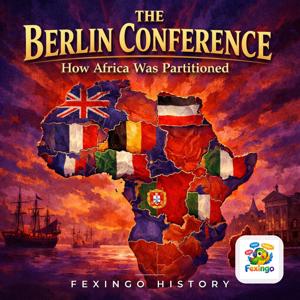


We often think of the 1884-85 Berlin Conference as a meeting of European powers drawing lines on a map, but that narrative erases the African leaders who actually attended. This episode explores the presence and agency of delegates like Sultan Barghash bin Said of Zanzibar, King Mlapa III of Aného, and Samba Laobe from Dahomey. While European historians long dismissed them as mere observers, recent archival work reveals they were active negotiators fighting for recognition under the General Act of Berlin’s principle of effective occupation. We look at how these diplomats navigated the complex political landscape, attempting to leverage European rivalries to protect their sovereignty. By examining the specific interactions between figures like Gustav Nachtigal and local rulers, we uncover a more nuanced history of resistance and diplomacy that challenges the traditional 'scramble' myth.
#BerlinConference #AfricanHistory #SultanBarghash #KingMlapaIII #Dahomey #Zanzibar #GeneralActOfBerlin #EffectiveOccupation #Colonialism #AfricanDiplomacy #GustavNachtigal #Aného #Togoland #GoldCoast #FexingoHistory #HistoryPodcast #Imperialism #ScrambleForAfrica
Keep every episode free: buymeacoffee.com/fexingo
In this episode, we look at the legal mechanics of the partition rather than the personalities. We examine how the General Act of Berlin established the principle of effective occupation, a doctrine that shifted colonial power from mere coastal treaties to actual administrative control on the ground. Lucas walks us through the diplomatic tensions between Britain, France, Germany, and Portugal, particularly focusing on the conflicting claims in the Congo Basin and East Africa. Luna asks about the immediate consequences for African societies as borders were drawn without regard for existing political structures. We discuss specific figures like Jules Ferry and Otto von Bismarck, but more importantly, we analyze the bureaucratic machinery that turned vast territories into numbered zones of influence. This is not just about maps; it is about the sudden, violent restructuring of governance and trade routes across the continent. You will learn why the conference failed to prevent war despite its intentions, and how the concept of effective occupation became a weapon used by European powers to justify invasion. We also touch upon the role of the International African Association and how humanitarian rhetoric was often a thin veil for economic ambition.
#BerlinConference #ScrambleForAfrica #GeneralActOfBerlin #EffectiveOccupation #ColonialHistory #AfricanPartition #OttoVonBismarck #JulesFerry #CongoBasin #EastAfricaColonization #EuropeanImperialism #1884History #ColonialBorders #AfricanDiplomacy #GermanColonies #FrenchWestAfrica #BritishEmpire #HistoryPodcast #FexingoHistory
Keep every episode free: buymeacoffee.com/fexingo
For decades, the narrative of the 1884–1885 Berlin Conference has been dominated by European diplomats: Otto von Bismarck, Hermann von der Heydt, and their cartographers drawing lines across a map they barely understood. But this episode reveals that the room was not entirely empty of African presence. We explore the diplomatic missions from Zanzibar and Dahomey, specifically Sultan Barghash bin Said and King Mlapa III of Aného, who traveled to Europe seeking recognition of their sovereignty. While official records often erase them or relegate them to footnotes, archival evidence suggests they engaged in real negotiation, presenting petitions and demanding respect for existing treaties. Through the eyes of German consul Gustav Nachtigal and local interpreters like Samba Laobe, we reconstruct the moments where African agency clashed with imperial ambition. This is a story about the friction between formal diplomacy and colonial reality, highlighting how African leaders tried to use the conference’s own rules to protect their lands before the scramble for territory turned into outright conquest.
#BerlinConference #AfricanHistory #SultanBarghash #KingMlapaIII #OttoVonBismarck #HermannVonDerHeydt #GustavNachtigal #Zanzibar #Dahomey #Aneho #GeneralActOfBerlin #EffectiveOccupation #Colonialism #AfricanDiplomacy #SambaLaobe #Kolbe #FexingoHistory #19thCenturyHistory #History
Keep every episode free: buymeacoffee.com/fexingo
While European diplomats like Hermann von der Heydt and Otto von Bismarck carved up the continent at the 1884-1885 conference, African leaders were actively resisting this partition through diplomacy. This episode examines the often-overlooked role of Sultan Barghash bin Said of Zanzibar, King Mlapa III of Aného, and Samba Laobe of Dahomey. We explore how these figures navigated the General Act of Berlin’s 'effective occupation' doctrine, attempting to preserve sovereignty against imperial encroachment. Through their correspondence and failed negotiations, we see a complex web of resistance that historians have largely ignored. From the palm oil trade in Kamerun to the rubber terror in the Congo Free State, the human cost of this diplomatic failure was immense. Join Lucas and Luna as they uncover the voices silenced by colonial maps.
#BerlinConference #AfricanHistory #Colonialism #SultanBarghash #Zanzibar #KingMlapaIII #Aného #SambaLaobe #Dahomey #HermannvonDerHeydt #OttoVonBismarck #GeneralActOfBerlin #EffectiveOccupation #Togoland #GoldCoast #EwePeople #GustavNachtigal #FexingoHistory #History
Keep every episode free: buymeacoffee.com/fexingo
While European powers carved up the continent in 1884, a quiet diplomatic resistance was unfolding in Zanzibar and West Africa. This episode explores the efforts of Sultan Barghash bin Said of Zanzibar and King Mlapa III of Aného to assert sovereignty under the General Act of Berlin. We examine how these leaders used the conference's own legal frameworks, particularly the principle of effective occupation, to challenge European claims. Through the eyes of their secretaries like Kolbe and Samba Laobe, we see how African diplomats navigated the rigid protocols of Otto von Bismarck’s Germany. The narrative highlights the tragic gap between the legal recognition of African agency at the table and the violent reality on the ground, offering a nuanced look at the often-overlooked African presence in this pivotal historical event.
#BerlinConference #SultanBarghash #KingMlapaIII #Zanzibar #Aného #GeneralActOfBerlin #EffectiveOccupation #OttoVonBismarck #HermannVonDerHeydt #Togoland #GoldCoast #AfricanDiplomacy #ColonialHistory #GermanEastAfrica #GermanWestAfrica #SambaLaobe #Kolbe #HistoryPodcast #FexingoHistory
Keep every episode free: buymeacoffee.com/fexingo
While European powers like Bismarck and von der Heydt drew lines on maps in 1884, African leaders were actively negotiating their own futures. This episode explores the often-overlooked presence of African diplomats at the Berlin Conference, including Sultan Barghash bin Said of Zanzibar and King Mlapa III of Aného. We examine how these figures attempted to assert sovereignty, protect trade routes, and challenge the principle of effective occupation through direct diplomacy rather than military conquest. By focusing on the interactions between European envoys like Gustav Nachtigal and African rulers such as Samba Laobe of Dahomey, we uncover a complex layer of diplomatic engagement that history has largely erased. The conversation highlights specific treaties, the role of Swahili and Arabic as diplomatic languages, and the ultimate failure of these efforts against the rigid colonial framework imposed by the General Act of Berlin.
#BerlinConference #AfricanDiplomacy #SultanBarghash #KingMlapaIII #Zanzibar #Aného #GustavNachtigal #EffectiveOccupation #GeneralActOfBerlin #TreatyOfUjiji #SwahiliDiplomacy #Dahomey #SambaLaobe #ColonialHistory #19thCenturyAfrica #EuropeanImperialism #FexingoHistory #History
Keep every episode free: buymeacoffee.com/fexingo
We often picture the 1884-1885 Berlin Conference as a room full of European diplomats carving up a blank map, but the reality was far more complex. This episode explores the hidden presence of African envoys who traveled to Bismarck’s table, including representatives from Zanzibar, Togo, and Dahomey. While they were excluded from the final voting on territorial claims, their negotiations over trade rights, border disputes with neighboring kingdoms, and recognition of sovereignty reveal a diplomatic landscape that Europe could not ignore. We examine the specific interactions between German officials like Hermann von der Heydt and African leaders such as King Mlapa III and Sultan Barghash bin Said, uncovering how these meetings shaped the immediate aftermath of partition. By focusing on the minutes of these side meetings and the correspondence sent back to African courts, we see that Africa was not merely a passive object of division, but an active participant in the early stages of colonial negotiation.
#BerlinConference #AfricanHistory #Colonialism #HermannvonderHeydt #KingMlapaIII #SultanBarghash #ZanzibarTreaty #Dahomey #Togoland #Bismarck #GeneralActOfBerlin #EffectiveOccupation #AfricanDiplomacy #EuropeanImperialism #WestAfrica #EastAfrica #FexingoHistory #History
Keep every episode free: buymeacoffee.com/fexingo
In this episode, we explore the often-overlooked role of cartographers and surveyors at the 1884-1885 Berlin Conference. While diplomats like Otto von Bismarck negotiated borders in rooms, men like Richard Kiepert and Hermann von der Heydt were literally drawing the lines that would divide the continent. We look at how these mapmakers used incomplete data, geometric precision, and imperial ambition to create a reality on paper that ignored existing ethnic, linguistic, and political boundaries. From the Deutsche Geographische Gesellschaft to the General Act of Berlin, we uncover how maps became weapons of colonization, erasing indigenous sovereignty and setting the stage for modern conflicts. Join Lucas and Luna as they trace the ink-stained fingers behind one of history's most consequential events.
#BerlinConference #RichardKiepert #HermannvonderHeydt #DeutscheGeographischeGesellschaft #ColonialHistory #AfricanHistory #Cartography #OttoVonBismarck #GeneralActOfBerlin #EffectiveOccupation #KongoStaat #Tanganyika #Imperialism #MapMaking #GermanColonies #AfricaPartition #HistoryPodcast #FexingoHistory
Keep every episode free: buymeacoffee.com/fexingo
While the powers of Europe gathered in Berlin in 1884 to carve up a continent, they ignored the very people living there. This episode explores the often-overlooked role of African diplomats and envoys who traveled to Europe to plead their cases against partition. We examine the stories of King Mlapa III of Togoland, who wrote desperate letters to Queen Victoria, and the emissaries from the Ashanti Empire who tried to leverage British alliances. Through their correspondence and diplomatic missions, we see how African leaders understood international law and sought to protect their sovereignty through negotiation rather than just resistance. The narrative focuses on specific figures like Samba Laobe and the complex web of treaties that were signed, broken, and ignored by European powers who prioritized strategic borders over existing political realities.
#BerlinConference #AfricanDiplomacy #KingMlapaIII #Togoland #AshantiEmpire #SambaLaobe #ColonialHistory #1884Conference #EuropeanImperialism #AfricanHistory #InternationalLaw #TreatyOfTogoland #BritishColonialPolicy #GermanColonization #WestAfrica #DiplomaticCorrespondence #FexingoHistory #History
Keep every episode free: buymeacoffee.com/fexingo
This episode examines how the 1884-1885 Berlin Conference partitioned West Africa without regard for existing ethnic or political structures, specifically focusing on the Ewe people of present-day Togo and Ghana. We explore the role of German colonial administrator Gustav Nachtigal in securing Togoland through treaties with local leaders like King Mlapa III, and the subsequent imposition of borders that split communities between the German colony and the British Gold Coast. The narrative highlights the concept of effective occupation as a legal justification for European powers, contrasting it with the complex social realities of the Ewe confederacies and their resistance to arbitrary division. By analyzing primary sources and historical accounts, we reveal the immediate human cost of these diplomatic agreements and set the stage for decades of cross-border tension.
#BerlinConference #EwePeople #Togoland #GoldCoast #GustavNachtigal #KingMlapaIII #ColonialAfrica #GermanEmpire #BritishEmpire #EffectiveOccupation #GeneralActOfBerlin #Aného #Lomé #WestAfricaHistory #BorderDivisions #FexingoHistory #History #AfricanHistory
Keep every episode free: buymeacoffee.com/fexingo
From the publisher's feed