
Sign up to save your podcasts
Or

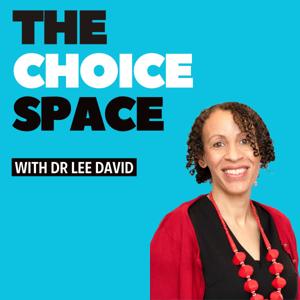


When the gut–liver–brain connection becomes disrupted, energy, mood and long-term health can all feel harder to sustain. Changes in the microbiome can influence immunity, inflammation and even how the brain processes stress. In this episode, Dr Lee David speaks with Professor Debbie Shawcross – hepatologist and leading researcher in chronic liver disease – about how the gut, liver and brain communicate and what helps this system stay in balance.
They explore the role of the liver, how the microbiome functions as a complex community and why diversity in diet, movement and daily habits matters. Debbie shares emerging research on the microbiome in chronic disease, including the PROMISE trial on faecal microbiota transplantation, and offers simple, realistic choices that can support metabolic health, mood and resilience.
This is a conversation about understanding the body’s interconnected systems – and how small, compassionate choices around food, alcohol and movement can strengthen wellbeing in meaningful ways.
Highlights & key moments
00:00 Introduction – the gut–liver–brain connection
01:53 Debbie’s background – from gastroenterology to microbiome research
04:04 The liver’s role – metabolism, detoxification and whole-body health
05:58 What the microbiome does – diversity, immunity and mental health
09:54 How antibiotics, diet and lifestyle shift microbial balance
11:15 Nutrition choices – fibre, colour and reducing ultra-processed foods
13:29 Alcohol – how it affects the gut, liver and mood
17:03 The impact of alcohol on sleep and emotional processing
18:30 Apples, pectin and supporting microbiome diversity
20:19 Choice Pause – tuning into your body
22:14 Research insights – repairing a ‘sick’ microbiome
24:00 Faecal microbiota transplantation – safety and potential benefits
26:46 Alcohol-producing bacteria and cravings
28:25 Small, affordable dietary changes that make a difference
32:03 Exercise – benefits for the microbiome, liver and mood
35:15 Micro-movements and reducing sedentary time
36:47 Final reflections – movement, mood and looking after the microbiome
About the guest
Dr Debbie Shawcross is Professor of Hepatology and Chronic Liver Failure at King’s College London and Consultant Hepatologist at King’s College Hospital. A specialist in hepatic encephalopathy and cirrhosis, she is EASL Secretary General, chairs the BSG Research Committee, and is Clinical Advisor to the British Liver Trust. Her research investigates the gut-liver-brain axis and microbiome in chronic liver failure, leading European trials of faecal microbiota transplantation, including the NIHR-funded PROMISE Trial. A long-standing advocate for gastroenterology training and mentorship, she has held key leadership roles with the BSG, Health Education England and charities supporting liver and digestive health.
About the host
Dr Lee David is a GP, CBT therapist and author specialising in mental health and wellbeing. Lee has written many books on CBT, mindfulness and teen wellbeing, and speaks regularly at conferences and in the media. Away from work she enjoys running, hiking, singing in a choir and spending time outdoors with her family. You can find Lee through her website and on Instagram, TikTok (@dr.lee.david), Facebook and LinkedIn. You can find more about her books, wellbeing courses and therapy here: https://linktr.ee/dr.lee.david
When sleep becomes unpredictable, every part of life feels more difficult. Tiredness can drain patience, confidence and emotional steadiness – and for many adults, sleepless nights create a cycle of worry and frustration that’s hard to break. In this episode, Dr Lee David speaks with occupational therapist and CBT-i specialist Louise Berger about how adults can understand their sleep more clearly and make small choices that genuinely help nights settle again.
They explore what drives sleep, why it becomes difficult and how anxiety, over-effort and disrupted routines keep patterns stuck. Louise shares practical evidence-based strategies that support adult sleep – from resetting unhelpful habits to easing night-time worry and rebuilding confidence in the body’s natural rhythm.
This is a conversation about choice, change and compassion – recognising that sleep can improve, that pressure makes it harder and that adults deserve support without blame or rigid rules.
Highlights & key moments
00:00 Introduction – why adult sleep becomes difficult
03:28 What sleep does – physical, cognitive and emotional health
05:55 Why worry about sleep makes nights harder
07:20 Sleep quality – what it really means
10:00 Why night-time waking is normal
11:49 CBT-i explained – the science behind effective change
13:40 Stimulus control – resetting the bed–sleep connection
14:55 Scheduling sleep – why less time in bed can help
16:27 Sleep hygiene – what matters and what doesn’t
17:34 Common myths – blue light, screens and sleep stages
21:13 Practical boundaries – choosing what helps you wind down
24:30 Night-time worry – why the brain is different at 3am
27:03 Worry time – scheduling thinking with compassion
31:18 Stress and sleep – preventing long-term problems
36:08 Sleep trackers – why data can mislead
40:12 Choice Space takeaways
About the host
Dr Lee David is a GP, CBT therapist and author specialising in mental health and wellbeing. Lee has written many books on CBT, mindfulness and teen wellbeing, and speaks regularly at conferences and in the media. Away from work she enjoys running, hiking, singing in a choir and spending time outdoors with her family. You can find Lee through her website and on Instagram, TikTok (@dr.lee.david) and LinkedIn. You can find more about her books, wellbeing courses and therapy here: https://linktr.ee/dr.lee.david
About the guest
Louise Berger is an Occupational Therapist specialising in sleep and leads the Insomnia Clinic at the Royal Surrey County Hospital – one of the few UK NHS services dedicated to insomnia treatment. She focuses on turning sleep science into practical support, delivering training, mentoring and public speaking and contributing to national guidance to improve access to care. Alongside her NHS work she offers private sleep coaching, lectures on the University West England Sleep Medicine course, is a trustee for the British Society of Pharmacy Sleep Services and sits on the communications committee for the British Sleep Society.
You can connect with Louise on LinkedIn or contact her directly at [email protected]
References
CBTi - JAMA Psychiatry 2024;81(4):357-365
Impact of blue light - Sleep Med Rev 2024;76:101933
About the host
Dr Lee David is a GP, CBT therapist and author specialising in mental health and wellbeing. Lee has written many books on CBT, mindfulness and teen wellbeing, and speaks regularly at conferences and in the media. Away from work she enjoys running, hiking, singing in a choir and spending time outdoors with her family. You can find Lee through her website and on Instagram, TikTok (@dr.lee.david), Facebook and LinkedIn. You can find more about her books, wellbeing courses and therapy here: https://linktr.ee/dr.lee.david
When sleep is broken, everything feels harder. Fatigue affects patience, confidence and emotional balance – and in early parenthood, rest can feel like a distant dream. In this episode, Dr Lee David speaks with sleep consultant and mum of three Caroline Jones about finding realistic, compassionate ways to support both infant and parent sleep.
They explore how small changes, shared support and self-trust can make a big difference – and why flexibility matters more than following fixed rules. Caroline shares practical ways to restore balance, from understanding sleep science to building healthy routines that work for each unique family.
This is a conversation about calm, confidence and connection – recognising that good sleep supports the whole family’s wellbeing and that every parent deserves rest without pressure or comparison.
Highlights & key moments
00:00 Introduction – when sleep struggles impact mental health
02:25 Caroline’s story – twins, exhaustion and discovery
05:29 The pressure cooker – coping with fatigue and finding freedom outdoors
06:52 Choice in parenting – trusting your instincts and finding what works
07:06 Evidence matters – what research really says about infant sleep
09:02 Sleep architecture – why broken sleep hits parents hardest
11:26 Permission to rest – why parental wellbeing supports connection
12:00 Attachment, security and sleep training – what the research shows
13:20 Making sense of sleep training methods and consistency
16:22 Parent anxiety, perinatal illness and emotional readiness
19:27 Why shared support and small changes make a big difference
22:35 Common myths – overtiredness and “sleep breeds sleep”
24:35 Following your baby’s cues and unique sleep needs
27:50 Sleep in older children – building confidence and security
31:44 Resilience and independence – loving choices at night
33:32 Choice Space takeaways – trust yourself, and rest is strength
About the host
Dr Lee David is a GP, CBT therapist and author specialising in mental health and wellbeing. Lee has written many books on CBT, mindfulness and teen wellbeing, and speaks regularly at conferences and in the media. Away from work she enjoys running, hiking, singing in a choir and spending time outdoors with her family. You can find Lee through her website and on Instagram, TikTok (@dr.lee.david) and LinkedIn. You can find more about her books, wellbeing courses and therapy here: https://linktr.ee/dr.lee.david
About the guest
Caroline Jones is an OCN Level 6 Certified Sleep Consultant, mum of twins plus one, and self-confessed sleep geek. She supports parents with evidence-based, compassionate guidance to navigate infant and family sleep, and leads Your Sleep Mentors – a programme for training and supporting other consultants. Caroline believes sleep isn’t a luxury but essential for mental and physical health, and is passionate about challenging myths and grounding her work in solid evidence. Website: www.thesleepremedy.co.uk
Email: [email protected]
Instagram: @thesleepremedy
Reference
Sci Rep 2025;15:24076
About the host
Dr Lee David is a GP, CBT therapist and author specialising in mental health and wellbeing. Lee has written many books on CBT, mindfulness and teen wellbeing, and speaks regularly at conferences and in the media. Away from work she enjoys running, hiking, singing in a choir and spending time outdoors with her family. You can find Lee through her website and on Instagram, TikTok (@dr.lee.david), Facebook and LinkedIn. You can find more about her books, wellbeing courses and therapy here: https://linktr.ee/dr.lee.david
When life changes – through a cancer diagnosis, treatment and the slow rebuild that follows – it can feel like a wave knocks you off your feet. In this episode, Dr Lee David speaks with Dr Darelle Gengasamy about the moment everything shifted, the surge of despair, the pull of purpose and the everyday choices that helped her find steadier ground.
They explore the shock of diagnosis, the need to find a next step, and how reconnecting with personal values can bring direction when life feels uncertain. Darelle speaks candidly about accepting help, the power of community during COVID lockdowns and how small acts of care helped her rediscover meaning and identity.
This is a conversation about adapting to change with compassion – finding strength through connection, curiosity and the courage to keep shaping life in new ways.
Highlights & key moments
00:00 The wave hits – shock, self-blame and anchoring to purpose
03:22 Hospital in lockdown – facing sepsis, uncertainty and isolation
05:00 Breaking bad news – the “wall of water” moment
07:18 Regaining power – “What’s the plan?” and saying yes to support
12:02 Threat, drive, soothe – why relentless doing needs balance
15:23 Receiving help – identity shifts and letting the village in
17:08 Values as compass – keeping family at the centre
19:44 Acts of service – small helps that rebuild confidence
23:01 The Choice Pause – Acceptance Pause practice
25:04 Recovery and reflection – rebuilding confidence after treatment
27:18 Flexibility and experimentation – workarounds, setbacks and new doors opening
32:49 Comparison trap and recognising your own needs
35:23 Protecting energy – permission to decline what overwhelms
37:16 Learning self-compassion – and why a supportive team matters
About the host
Dr Lee David is a GP, CBT therapist and author specialising in mental health and wellbeing. Lee has written many books on CBT, mindfulness and teen wellbeing, and speaks regularly at conferences and in the media. Away from work she enjoys running, hiking, singing in a choir and spending time outdoors with her family. You can find Lee through her website and on Instagram, TikTok (@dr.lee.david) and LinkedIn. You can find more about her books, wellbeing courses and therapy here: https://linktr.ee/dr.lee.david
About the guest
Darrelle is an experienced GP with a passion for supporting mental health and wellbeing. She works as a GP and as a Lead Clinician with NHS Practitioner Health. Currently completing her coaching qualification, she has developed a growing interest in supporting doctors with neurodivergent traits. At the age of 39 she was diagnosed with complex Stage 3 bowel cancer. This experience deepened her understanding of her core value of supporting others and how that value positively influences her own wellbeing. Grateful for the care and community that supported her recovery, she continues to focus on helping others find strength, purpose and connection beyond adversity. You can contact her via Instagram (@wellbeing_in_practice) or Linkedin
References
ESMO Patient Guide on cancer survivorship:
About the host
Dr Lee David is a GP, CBT therapist and author specialising in mental health and wellbeing. Lee has written many books on CBT, mindfulness and teen wellbeing, and speaks regularly at conferences and in the media. Away from work she enjoys running, hiking, singing in a choir and spending time outdoors with her family. You can find Lee through her website and on Instagram, TikTok (@dr.lee.david), Facebook and LinkedIn. You can find more about her books, wellbeing courses and therapy here: https://linktr.ee/dr.lee.david
When the mind feels crowded — with worries, doubts or intrusive thoughts — it can be hard to find calm or clarity. These thoughts are far more common than many people realise, whether they appear as part of anxiety, OCD or simply everyday life.
In this episode of The Choice Space, Dr Lee David speaks with CBT therapist Josh Munn about how to find space when your mind feels busy. They explore why intrusive thoughts arise, how they can pull us into loops of rumination or self-checking, and what helps us step back, respond kindly and focus on what truly matters.
The conversation offers clear explanations, relatable examples and a Choice Pause led by Josh — a short grounding practice called Dropping Anchor that you can use whenever thoughts start to spiral.
Highlights & key moments
00:00 Opening reflections – compassion first and one small values-based action
00:46 Intrusive thoughts – myths, maintenance loops and why response is key
01:53 Understanding the journey – early work with anxiety and OCD and supporting others to feel understood
06:02 How fears become sticky – and the unhelpful cycles that follow
07:03 Mental compulsions – rumination, analysing, checking feelings and seeking reassurance
08:11 How worry and doubt can block presence and joy in relationships
11:45 Why pushing thoughts away can make them stronger
12:20 How attention reinforces what the mind focuses on
15:16 Making space – noticing thoughts and choosing what matters most
18:43 The Choice Pause – Dropping Anchor grounding practice
27:19 Seeing thoughts as thoughts – not facts or commands
36:36 Closing reflections
About the host
Dr Lee David is a GP, CBT therapist and author specialising in mental health and wellbeing. She is the founder of The Choice Space therapy and wellbeing hub, and a podcast host sharing evidence-based tools for self-doubt, stress and everyday decision-making. Lee has written books on CBT, mindfulness and teen wellbeing, and speaks regularly at conferences and in the media. Away from work she enjoys running, hiking, singing in a choir and spending time outdoors with her family.
You can find Lee on Instagram, TikTok, and LinkedIn. You can find more about her books and wellbeing courses here.
About the guest
Josh is a CBT, EMDR and ACT therapist with a deep passion for supporting people living with anxiety, OCD and ADHD. He sees therapy as more than symptom reduction — it’s about helping people reconnect with their values, find freedom from unhelpful cycles and build lives that feel meaningful. Josh brings warmth, curiosity and genuine care to his work, sharing insights and practical tools to make evidence-based strategies more accessible to those who need them. You can connect with Josh via instagram and TikTok or through his website.
Reference
Hinuma S et al. Front Psychiatry. 2025;16:1520496
About the host
Dr Lee David is a GP, CBT therapist and author specialising in mental health and wellbeing. Lee has written many books on CBT, mindfulness and teen wellbeing, and speaks regularly at conferences and in the media. Away from work she enjoys running, hiking, singing in a choir and spending time outdoors with her family. You can find Lee through her website and on Instagram, TikTok (@dr.lee.david), Facebook and LinkedIn. You can find more about her books, wellbeing courses and therapy here: https://linktr.ee/dr.lee.david
When life changes — through serious illness, trauma or invisible disability — it can feel like the ground has shifted beneath us. In this powerful episode, Dr Lee David speaks with Dr Amrita Sen Mukherjee about her journey through diagnosis, grief and identity loss, and how she found strength, self-compassion and a renewed sense of purpose.
They explore the concept of post-traumatic growth, what it means to find yourself again and how aligning your choices with your values – even in small ways – can create a new, more authentic path forward.
Amrita speaks with honesty about the stigma of hidden disability in medicine, the fragility of being disbelieved, and the empowering process of reclaiming her story through research, coaching and connection.
Whether you’re living with an invisible illness, supporting someone who is, or a clinician supporting others, this episode is a gentle reminder that healing isn’t about returning to who you were – it’s about discovering who you are now.
What we cover
00:00 Connection, courage and self-worth
01:51 Finding meaning and rebuilding life after illness
04:43 Becoming the patient – facing vulnerability and identity change
07:24 The emotional impact of being unseen and disbelieved
10:46 Grief, acceptance and the strength that follows loss
13:11 Naming experiences – how words reduce shame and restore confidence
14:50 The Choice Pause – the values compass
16:32 Post-traumatic growth, recovery and purpose
19:22 The linear flow – staying centred on what matters when life feels turbulent
25:29 Everyday choices – protecting energy and setting healthy limits
28:50 Finding support – the power of connection and understanding
33:57 Closing reflection – courage, compassion and choosing what matters most
About the host
Dr Lee David is a GP, CBT therapist and author specialising in mental health and wellbeing. She is the founder of The Choice Space therapy and wellbeing hub, and a podcast host sharing evidence-based tools for self-doubt, stress and everyday decision-making. Lee has written books on CBT, mindfulness and teen wellbeing, and speaks regularly at conferences and in the media. Away from work she enjoys running, hiking, singing in a choir and spending time outdoors with her family.
You can find Lee on Instagram, TikTok, and LinkedIn. You can find more about her books and wellbeing courses here.
About the guest
Dr Amrita Sen Mukherjee is a GP, positive psychology practitioner, coach and disability advocate whose work focuses on post-traumatic growth and invisible disability. Her research explores how doctors find growth after life-changing illness, and she leads national advocacy for inclusion through her role as co-chair of the Disabled Doctors Network. Recognised with awards from the University of East London, the RCGP and Pulse magazine, she combines clinical expertise with a compassionate, human approach to recovery and wellbeing.
Listen to her TEDx talk. You can find her research here.
You can contact her at LinkedIn and Your Wellbeing Doctor
FB /Insta: @yourwellbeingdoctor X: @yourwellbeingdr
About the host
Dr Lee David is a GP, CBT therapist and author specialising in mental health and wellbeing. Lee has written many books on CBT, mindfulness and teen wellbeing, and speaks regularly at conferences and in the media. Away from work she enjoys running, hiking, singing in a choir and spending time outdoors with her family. You can find Lee through her website and on Instagram, TikTok (@dr.lee.david), Facebook and LinkedIn. You can find more about her books, wellbeing courses and therapy here: https://linktr.ee/dr.lee.david
What changes when we stop trying to fit in and start allowing ourselves to be who we really are? In this episode of The Choice Space Podcast, Dr Lee David talks with Liz Evans, The Untypical OT – occupational therapist, parent and advocate for neurodivergent families. They explore how to live authentically with dyslexia, the emotional impact of late diagnosis and the sense of relief that comes from finally understanding yourself.
They discuss how masking, perfectionism and shame can take hold when differences go unrecognised – and how self-acceptance, humour and simple strategies can restore balance. Liz shares her personal journey from struggle to strength, and the lessons she’s learned about parenting, belonging and building a life that works with, not against, the way her brain works.
A compassionate, grounded conversation for anyone learning to drop the mask and embrace difference – in themselves or someone they love.
What we cover
Key moments
00:00 Emotional rollercoaster of late diagnosis
02:40 What occupational therapy really means
06:33 Why joy and fun are essential occupations
10:12 Masking and shame
19:37 The Choice Pause – connection and acceptance
23:08 How honesty builds trust and connection
26:48 Anger and grief that come with understanding
32:27 Belonging, community and self-acceptance
38:29 Everyday tools to lighten the cognitive load
40:23 Two simple choices to carry forward
About the host
Dr Lee David is a GP, CBT therapist and author specialising in mental health and wellbeing. She is the founder of 10 Minute CBT and a podcast host sharing evidence-based tools for self-doubt, stress and everyday decision-making. Lee has written books on CBT, mindfulness and teen wellbeing, and speaks regularly at conferences and in the media. Away from work she enjoys running, hiking, singing in a choir and spending time outdoors with her family.
You can find Lee on Instagram, TikTok, and LinkedIn. You can find more about her books and wellbeing courses here.
About the guest
Liz is a dyslexic solo parent in a neurodiverse family and an occupational therapist. She helps neurodivergent parents protect against burnout through a neuroaffirming, trauma and sensory-responsive lens, supporting a shift from survival and overwhelm to greater calm and capacity. You can find Liz on Facebook, Instagram, and LinkedIn. She’s also the host of The Untypical Parent Podcast, for neurodivergent families finding their own way of doing things differently.
References
About the host
Dr Lee David is a GP, CBT therapist and author specialising in mental health and wellbeing. Lee has written many books on CBT, mindfulness and teen wellbeing, and speaks regularly at conferences and in the media. Away from work she enjoys running, hiking, singing in a choir and spending time outdoors with her family. You can find Lee through her website and on Instagram, TikTok (@dr.lee.david), Facebook and LinkedIn. You can find more about her books, wellbeing courses and therapy here: https://linktr.ee/dr.lee.david
What would change if you gave yourself permission — to rest, to say no, to ask for help or to feel what you truly feel?
In this episode of The Choice Space Podcast, Dr Lee David talks with psychiatrist and therapist Dr Caroline Walker, founder of The Joyful Doctor and author of Permission: How to Feel, Heal and Thrive in a Challenging World. They explore why many people struggle to give themselves permission to prioritise their needs, emotions and boundaries — particularly in high-pressure settings like healthcare.
The discussion highlights the importance of acknowledging and allowing the full range of emotions, setting boundaries that support wellbeing, and practising self-acceptance. Dr Walker offers practical ways to begin giving yourself permission in daily life, encouraging a more balanced and sustainable approach to wellbeing.
This is a thoughtful, practical conversation for anyone who finds it easier to care for others than themselves.
What we cover
· The hidden power of permission — and how to reclaim it for yourself
· How culture, upbringing and role-modelling shape everyday choices
· Practising saying no and asking for help in small, safe steps
· Permission to feel: space for anger, sadness or fear without overwhelm
· Cognitive load, HALT and why constant information drains energy
· Finding your own path to self-care rather than following “shoulds”
· Standing in the centre of the whirlwind — staying calm when life feels full
Key moments
00:00 What permission is and why it keeps showing up in clinical work
07:20 From rigid rules to flexible, values-led choices
10:20 HALT-C and naming needs in the moment
12:40 Cognitive load, phones and replenishing vs draining “rest”
15:30 Personal fit: designing wellbeing your way
21:45 Saying no and building boundary “muscle” safely
31:45 Negotiating at home: problem-solving without losing the why
33:45 Meeting emotions without being swept away
38:22 Two permission-based choices to use today
About the host
Dr Lee David is a GP, CBT therapist and author specialising in mental health and wellbeing. Dr Lee David is a GP, CBT therapist and author specialising in mental health and wellbeing. She is the founder of 10 Minute CBT and a podcast host sharing evidence-based tools for self-doubt, stress and everyday decision-making. Lee has written books on CBT, mindfulness and teen wellbeing, and speaks regularly at conferences and in the media. Away from work she enjoys running, hiking, singing in a choir and spending time outdoors with her family.
You can find Lee on Instagram, TikTok, and LinkedIn. And you can find more about her books and wellbeing courses here.
About the guest
Dr Caroline Walker is a psychiatrist, therapist, speaker, trainer, writer and coach. She is founder of The Joyful Doctor – supporting overworked and under-appreciated doctors to move beyond ‘just existing’ and take steps towards a happier, healthier and more fulfilling life and career, free from fear or judgement. She lives in Kent with her family and is an international role model for doctors with mental health challenges.
She is author of the book Permission: How to feel, heal and thrive in a challenging world, drawing on personal experience, professional insight and stories from her doctor-patients to offer a compassionate guide to better mental health
About the host
Dr Lee David is a GP, CBT therapist and author specialising in mental health and wellbeing. Lee has written many books on CBT, mindfulness and teen wellbeing, and speaks regularly at conferences and in the media. Away from work she enjoys running, hiking, singing in a choir and spending time outdoors with her family. You can find Lee through her website and on Instagram, TikTok (@dr.lee.david), Facebook and LinkedIn. You can find more about her books, wellbeing courses and therapy here: https://linktr.ee/dr.lee.david
What happens when achievement stops feeling fulfilling and starts draining every ounce of energy? In this powerful conversation, former paediatrician Dr Jess Morgan joins Dr Lee David to explore the hidden early signs of burnout, why it can be so hard to slow down and how to rediscover a more sustainable way of living and working.
Jess shares her personal journey from NHS medicine through burnout and beyond – describing the subtle warnings she missed, the “hero narrative” that kept her pushing harder and the identity shift that came when she stepped away from clinical practice. Together we look at:
Lee and Jess also discuss the bigger picture: how compassionate leadership, realistic workloads and role-modelled balance at work can protect wellbeing far more than token gestures.
This episode includes The Choice Pause – What Matters, a short guided practice to help you breathe, notice and make space for what’s important.
Whether you’re feeling stretched thin or simply want to prevent burnout, this conversation offers grounded insight and gentle, doable steps:
If you’ve ever wondered how to slow down without losing who you are, this episode will help you reclaim energy, choice and a more balanced way to live and work.
About the host
Dr Lee David is a GP, CBT therapist and author specialising in mental health and wellbeing. Dr Lee David is a GP, CBT therapist and author specialising in mental health and wellbeing. She is the founder of 10 Minute CBT and a podcast host sharing evidence-based tools for self-doubt, stress and everyday decision-making. Lee has written books on CBT, mindfulness and teen wellbeing, and speaks regularly at conferences and in the media. Away from work she enjoys running, hiking, singing in a choir and spending time outdoors with her family.
You can find Lee on Instagram, TikTok, and LinkedIn. And you can find more about her books and wellbeing courses here
About the guest
Dr Jess Morgan has carved out a flexible and varied career that incorporates many of her different interests. She worked as an NHS paediatrician for over ten years before leaving clinical medicine in 2019 and retraining as a primary teacher. Alongside her work in the primary education sector, Jess is a speaker, writer and facilitator, using both expertise and lived experience to lead national change and improve the wellbeing and working lives of health professionals. More than anything though, Jess is a wife and a mum and loves nothing more than a wet and windy walk with her family or pulling on a wetsuit and diving into a lake.
Reference
Tang VL et al. Sci
About the host
Dr Lee David is a GP, CBT therapist and author specialising in mental health and wellbeing. Lee has written many books on CBT, mindfulness and teen wellbeing, and speaks regularly at conferences and in the media. Away from work she enjoys running, hiking, singing in a choir and spending time outdoors with her family. You can find Lee through her website and on Instagram, TikTok (@dr.lee.david), Facebook and LinkedIn. You can find more about her books, wellbeing courses and therapy here: https://linktr.ee/dr.lee.david
In this episode
Dr Lee David is joined by psychologist Dr Lindsey Roberts to explore how perimenopause and ADHD intersect — from burnout, sleep disruption and emotional swings to masking, hyperfocus and the boom-and-bust cycle. Lindsey shares her late-diagnosis story, the role of joy, creativity and time outdoors, and why flexible, person-centred workplace support matters. Together they look at practical ways to protect energy — pacing, varied forms of rest, planning supports and compassionate self-talk — alongside the value of joined-up menopause and ADHD care.
Who this episode supports
Anyone navigating perimenopause (with or without an ADHD diagnosis), colleagues and loved ones who want to understand, clinicians supporting wellbeing, and leaders building flexible, neuro-inclusive teams.
What we cover
Key takeaways
About the host
Dr Lee David is a GP, CBT therapist and author specialising in mental health and wellbeing. Dr Lee David is a GP, CBT therapist and author specialising in mental health and wellbeing. She is the founder of 10 Minute CBT and a podcast host sharing evidence-based tools for self-doubt, stress and everyday decision-making. Lee has written books on CBT, mindfulness and teen wellbeing, and speaks regularly at conferences and in the media. Away from work she enjoys running, hiking, singing in a choir and spending time outdoors with her family.
You can find Lee on Instagram, TikTok, and LinkedIn. And you can find more about her books and wellbeing courses here
About the guest
Dr Lindsey Roberts is a Chartered Psychologist with over 20 years of experience in the health and neuropsychology sectors having worked across the NHS, academic, pharmaceutical industry and the charitable sectors in teaching, research and knowledge exchange. Lindsey loves to make a difference to people’s quality of life whether through one-to-one support or tailored interventions that spread to support many. To-date, Lindsey has brought in, or been a part of a team, who have brought in just under £2m in research grant funding for applied research in healthcare.
Share & follow
If this conversation was helpful, please follow, rate and share with someone who might value the space. It helps others find the podcast.
Reference
Chapman L, Gupta K, Hunter MS et al. J Atten Disord. 2025;29:706. doi:10.1177/10870547251355006
About the host
Dr Lee David is a GP, CBT therapist and author specialising in mental health and wellbeing. Lee has written many books on CBT, mindfulness and teen wellbeing, and speaks regularly at conferences and in the media. Away from work she enjoys running, hiking, singing in a choir and spending time outdoors with her family. You can find Lee through her website and on Instagram, TikTok (@dr.lee.david), Facebook and LinkedIn. You can find more about her books, wellbeing courses and therapy here: https://linktr.ee/dr.lee.david
From the publisher's feed
The Choice Space is a podcast for busy people who want to pause, reset and make wise choices — without overhauling their lives to get there. Hosted by Dr Lee David — GP, CBT therapist and…