
Sign up to save your podcasts
Or

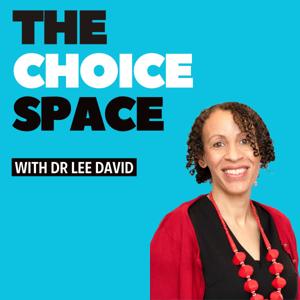


Many men don’t grow up being shown how to recognise, name or talk about their emotions. So when life becomes challenging, there often isn’t a clear way to make sense of what’s happening or how to respond.
In this episode of The Choice Space, Dr Lee David speaks with Chris Hemmings, therapist and founder of Men’s Therapy Hub, about why men’s mental health can be harder to recognise, talk about and support.
They explore how men are often socialised to disconnect from emotions, making it harder to understand what’s going on or to ask for help. This can show up through behaviour rather than words – irritability, withdrawal, overworking or isolation – where something feels wrong but is hard to explain.
The conversation also reflects on the role of shame, both culturally and internally, and how this can delay men seeking support until things reach crisis point. Alongside this, they discuss how connection, curiosity and compassion – from friends, family and wider society – can begin to shift this.
Chris shares practical ways men can start to take small steps, including building awareness through behaviour, opening up gradually and finding spaces where it feels possible to be heard without judgement.
This is a thoughtful and grounded conversation about understanding men’s mental health with more compassion, and creating space for earlier support and connection.
Key moments
00:00 Feeling alone in struggle
01:37 Chris’s story and coping patterns
04:18 Why men suppress emotions
07:06 Strength vs flexibility
09:33 Crisis before seeking help
12:05 Supporting boys and listening
17:49 Why men come to therapy
23:37 Choice Pause – heavy moments
26:17 Behaviour as a signal
30:28 Reaching out for support
About the guest
Chris Hemmings is a therapist and coach who specialises in working with men. He’s the founder of Men’s Therapy Hub, a directory of male therapists for male clients. Before training to be a therapist he was a BBC journalist, writing and making documentaries about men, masculinity and mental health. He’s also the founder of M-Path, who go in to schools across the UK speaking to students about what it means to be a man.
Connect with Chris via his website, and Men’s therapy hub via Instagram, YouTube and LinkedIn
No Man's an Island podcast
About the host
Dr Lee David is a GP, CBT therapist and author specialising in mental health and wellbeing. Lee has written many books on CBT, mindfulness and teen wellbeing, and speaks regularly at conferences and in the media. Away from work she enjoys running, hiking, singing in a choir and spending time outdoors with her family. You can find Lee through her website and on Instagram, TikTok (@dr.lee.david), Facebook and LinkedIn. You can find more about her books, wellbeing courses and therapy here: https://linktr.ee/dr.lee.david
Many people spend years chasing the next goal, hoping life will feel better when they finally arrive. But what if feeling happier works differently?
In this episode, Dr Lee David is joined by Mark Williamson, Director of Action for Happiness and author of a new book about how to make life happier.
They explore why happiness is often misunderstood as something we reach through success, achievement or finally getting everything in place. Mark shares why many people fall into the trap of “I’ll be happy when…”, and how this can keep fulfilment feeling just out of reach.
The conversation looks at a more realistic path to wellbeing – including where we place our attention, the habits we build and how small repeated actions can shift the direction of daily life. Lee and Mark discuss mindfulness, gratitude and why noticing what genuinely helps matters more than chasing perfect routines.
They also reflect on the importance of relationships, kindness and listening well. Mark explains why connection remains one of the strongest predictors of long-term happiness, and how even small everyday interactions can have wider ripple effects.
This is a thoughtful and grounded conversation about creating a happier life through realistic choices, meaning and everyday moments that often go unseen.
Key moments
00:00 Kindness and ripple effects
01:21 Introduction
02:09 What happiness really means
07:45 The “I’ll be happy when” trap
12:21 Agency and values-led choices
16:29 Mindfulness in daily life
21:51 Gratitude and noticing good
29:00 Tiny habits that last
32:38 Why relationships matter
35:28 Listening and reducing conflict
43:20 Choice Space takeaway
45:04 Being interested, not interesting
About the guest
Dr Mark Williamson is the Director of Action for Happiness and has led this social movement from an idea on paper to a thriving community with over 800,000 members in 100+ countries. He was previously Director of Innovation at the Carbon Trust, Senior Manager at Accenture and worked at Hewlett-Packard Labs and Orange.
Mark’s new book, Make Life Happier: 23 Practical Ways to Feel Better, Find Meaning and Make a Difference was published in April 2026.
You can follow Mark on LinkedIn, Facebook, X, Bluesky, TikTok and Instagram
About the host
Dr Lee David is a GP, CBT therapist and author specialising in mental health and wellbeing. Lee has written many books on CBT, mindfulness and teen wellbeing, and speaks regularly at conferences and in the media. Away from work she enjoys running, hiking, singing in a choir and spending time outdoors with her family. You can find Lee through her website and on Instagram, TikTok (@dr.lee.david), Facebook and LinkedIn. You can find more about her books, wellbeing courses and therapy here: https://linktr.ee/dr.lee.david
Many people seem to be managing day to day, while privately dealing with a mind that rarely switches off. Worry can go round in circles – replaying conversations, looking for reassurance, imagining what might go wrong or trying to feel certain about an uncertain future.
In this episode of The Choice Space, Dr Lee David is joined by GP and author Dr Martin Brunet to explore why worry happens, what keeps it going and what can help when it starts to take over.
They discuss the role of uncertainty in anxiety, and why the mind often responds to uncertainty by producing more thinking rather than more clarity. From health anxiety to fears about loved ones, they explore how checking, reassurance seeking and repeated mental reviewing can bring short-term relief while keeping the cycle alive.
Martin shares practical ways to respond differently, including shifting from “what if?” to “even if”, using planned worry time, and learning how to calm the body through breathing and inner tone of voice. The conversation also explores his memorable character Wilbur – an anxious companion who is trying to protect us, but often uses unhelpful methods.
Together, they reflect on a more compassionate relationship with anxiety – not handing it control, but not fighting it endlessly either. They also explore the value of taking laughably small steps towards the life that matters to you, even when fear is present.
This is a warm, practical conversation about understanding worry, building flexibility and creating more choice in the moments that matter.
00:00 Why worry feels so powerful
01:05 Understanding anxiety differently
03:32 Fear, avoidance and self-judgement
06:09 Anxiety as one part of us
06:56 Meeting Wilbur
11:40 Patience instead of criticism
13:44 Health anxiety and symptom checking
18:07 What if versus even if
25:07 Choice Pause – moments of uncertainty
31:39 Using worry time well
35:04 Breathing and calming the nervous system
41:14 Laughably small steps forward
About the guest
Martin Brunet is a GP, speaker and author with an interest in communication and mental health. He works three days a week as a GP and spends the rest of his time writing, teaching and posting about mental health on social media, where he has been surprised to find that his @doc_martin_gp accounts have built a large following. His first book, The GP Consultation Reimagined, a Tale of Two Houses, was published in 2020 and outlines the Two Houses model for the consultation. Your Worry Makes Sense, his new book on anxiety and burnout, was published in 2025 for a general readership.
You can connect with Martin on Instagram and TikTok
About the host
Dr Lee David is a GP, CBT therapist and author specialising in mental health and wellbeing. Lee has written many books on CBT, mindfulness and teen wellbeing, and speaks regularly at conferences and in the media. Away from work she enjoys running, hiking, singing in a choir and spending time outdoors with her family. You can find Lee through her website and on Instagram, TikTok (@dr.lee.david), Facebook and LinkedIn. You can find more about her books, wellbeing courses and therapy here: https://linktr.ee/dr.lee.david
In this episode of The Choice Space, Dr Lee David speaks with Samantha Evans, sexual health and pleasure expert and co-founder of Jo Divine, about sexual health, intimacy and how our relationship with our bodies can change across life.
The conversation explores how changes in hormones, health and life experiences can affect desire, comfort and confidence. They discuss how common issues such as vaginal dryness, irritation and reduced sensation are often misunderstood – and how small, practical changes can make a meaningful difference.
They also reflect on why sexual health is still difficult to talk about, both for individuals and healthcare professionals. Samantha shares insights into how shame, lack of education and cultural messaging can prevent people from seeking help, and why open, informed conversations can support both physical and emotional wellbeing.
The discussion highlights the importance of inclusive language and avoiding assumptions about age, identity or relationships. It explores how intimacy can take many forms and how people can reconnect with their bodies – and with others – in ways that feel right for them.
This is a thoughtful and practical conversation about understanding change, reducing self-judgement and finding new ways to approach intimacy across different stages of life.
Key moments
00:00 Why sexual health matters
02:30 Common intimacy concerns
06:00 Vaginal dryness and irritation
09:30 Ingredients and product awareness
12:00 Inclusivity in sexual health
14:30 Why it’s hard to talk about sex
18:00 Intimacy, grief and loss
21:20 Myths about desire and arousal
23:30 Aging, identity and assumptions
25:10 Body image and confidence
27:30 Self-criticism and kindness
29:00 Choosing intimacy on your terms
About the guest
Samantha Evans is a sexual health and pleasure expert, former nurse and co-founder of Jo Divine, an online company specialising in skin-safe, irritant-free sexual wellbeing products. She works with healthcare professionals across the NHS and private practice to support patients with sexual function, intimacy and pleasure, including lubricants, vaginal moisturisers and appropriate products. Samantha is also a writer and educator, producing practical resources that help normalise conversations about sex and support people to explore intimacy in ways that work for them. She collaborates with cancer and menopause charities, delivers training and webinars for healthcare professionals, and has contributed to media discussions on sexual health, including appearing in Sex, Myths and the Menopause.
You can connect via the Jo Divine website, Facebook or Instagram: @samtalkssex and @jo.divine
10% discount code for Jo Divine: CHOICESPACE (£5 minimum spend on full priced products excluding P&P) ENDS 30/6/26
About the host
Dr Lee David is a GP, CBT therapist and author specialising in mental health and wellbeing. Lee has written many books on CBT, mindfulness and teen wellbeing, and speaks regularly at conferences and in the media. Away from work she enjoys running, hiking, singing in a choir and spending time outdoors with her family. You can find Lee through her website and on Instagram, TikTok (@dr.lee.david), Facebook and LinkedIn. You can find more about her books, wellbeing courses and therapy here: https://linktr.ee/dr.lee.david
In this episode of The Choice Space, Dr Lee David speaks with Dr Sally Doust, GP and women’s health specialist, about premenstrual distress, including premenstrual syndrome (PMS) and premenstrual dysphoric disorder (PMDD). The conversation explores how hormonal changes across the menstrual cycle can affect mood, energy, sleep and emotional sensitivity – and why these patterns are often overlooked or misunderstood.
They discuss the wider context of women’s health inequalities, including the lack of research and the ways this can affect recognition and treatment. Sally explains how changes in oestrogen and progesterone interact with the brain and body, and why premenstrual symptoms can look very different from one person to another.
The episode also looks at how to tell when symptoms may be cyclical, why tracking patterns can be so helpful and how recognition itself can reduce self-blame. There is thoughtful discussion of PMDD, including the severity of symptoms some women experience and the importance of feeling believed and supported.
Lee and Sally also explore practical support, from cycle tracking and self-compassion to lifestyle changes, supplements and medical treatment options. This is a grounded conversation about understanding patterns, widening choice and responding with more care and clarity.
Key moments
00:37 Introduction
02:48 Women’s health inequalities
04:27 Hormones across the cycle
08:52 Hormones and the brain
11:16 What PMS can look like
14:22 Cyclical patterns and timing
16:42 Choice Pause – changing mood and energy
25:35 Understanding PMDD
31:35 Supportive choices for PMS
35:29 Treatment options
41:52 Cycle tracking takeaway
42:50 The 30 – 30 – 30 approach
About the guest
Dr Sally Doust is a GP with a specialist interest in women's health and medical educator. She works in the NHS, in private practice, and at Brighton and Sussex Medical School. In her GP work she found many women had adverse experiences of healthcare because of gender biases and lack of research into women's health - this inspired her to specialise in this area and remains the key purpose of her career. She holds diplomas in obstetrics and gynaecology (DRCOG) and sexual and reproductive healthcare (DFSRH). She is a member of the Primary Care Women's Health Society and the British Menopause Society. For the past two years she's been a delegate for the United Nations Commission on the Status of Women.
You can connect with Sally on LinkedIn.
Here is a link to the NAPS PMS guidelines
About the host
Dr Lee David is a GP, CBT therapist and author specialising in mental health and wellbeing. Lee has written many books on CBT, mindfulness and teen wellbeing, and speaks regularly at conferences and in the media. Away from work she enjoys running, hiking, singing in a choir and spending time outdoors with her family. You can find Lee through her website and on Instagram, TikTok (@dr.lee.david), Facebook and LinkedIn. You can find more about her books, wellbeing courses and therapy here: https://linktr.ee/dr.lee.david
In this episode of The Choice Space, Dr Lee David speaks with Nic Malcomson, integrative psychotherapist, about the success trap – the pattern where strengths that once helped us thrive can gradually become rigid and exhausting.
The conversation explores how early success, positive feedback and high standards can shape identity over time. When life becomes more demanding or circumstances change, the same qualities that once worked well can begin to create pressure, self-doubt and a fear of slipping.
Lee and Nic discuss how this can show up in different ways – from ongoing over-striving and perfectionism to a deeper sense of feeling stuck after a setback. They reflect on the link between performance and self-worth, and how difficult it can be when identity becomes tied to always coping, achieving or getting things right.
The episode also explores Nic’s idea of fallible flourishing – a more compassionate and realistic way of thinking about growth, motivation and thriving. Together, they consider the value of naming the pattern, recognising the role of environment and finding space for being human rather than endlessly performing.
This is a thoughtful conversation about pressure, identity and self-worth, offering a kinder and more sustainable way to think about success.
Key moments
00:00 Why naming it matters
00:29 Introducing the success trap
01:30 Nic’s own experience
04:27 How identity develops
06:37 Burnout and breakdown
07:03 Chronic, acute and stuck patterns
11:01 Why setbacks can help
13:37 Ideal lived self and feared self
19:08 The importance of normalising
26:54 Under, over and optimal motivation
31:49 Fallibility and connection
33:18 Environment and supportive change
About the guest
Nic Malcomson is an integrative psychotherapist who has delivered more than 5,000 therapy sessions for doctors through NHS Practitioner Health and in his private practice, Eudemedics: Well-being for Doctors. He developed the Fallible Flourishing Model, which explores how early experiences of success can later create psychological traps around performance, identity and self-worth, and how these patterns can shift towards more sustainable flourishing.
You can connect with Nic on LinkedIn or through his website: www.eudemedics.com
About the host
Dr Lee David is a GP, CBT therapist and author specialising in mental health and wellbeing. Lee has written many books on CBT, mindfulness and teen wellbeing, and speaks regularly at conferences and in the media. Away from work she enjoys running, hiking, singing in a choir and spending time outdoors with her family. You can find Lee through her website and on Instagram, TikTok (@dr.lee.david), Facebook and LinkedIn. You can find more about her books, wellbeing courses and therapy here: https://linktr.ee/dr.lee.david
In this episode of The Choice Space, Dr Lee David speaks with GP and menopause specialist Dr Carys Sonnenberg about the complex ways menopause can affect emotional wellbeing, physical health and everyday life.
Menopause is often described in terms of hormones alone, yet the experience is rarely that simple. In this conversation, Lee and Carys explore how hormonal changes interact with sleep, stress, lifestyle habits and wider life pressures. Many women find themselves navigating fluctuating moods, disrupted sleep and changes in concentration at the same time as managing work, family responsibilities and other demands.
The discussion highlights how menopause is highly individual. Some women experience few symptoms, while others notice significant changes in mood, anxiety or energy. Understanding these differences can help create a more compassionate and personalised approach to care.
They also explore practical ways of supporting wellbeing during this time – including the role of lifestyle medicine, cognitive behavioural strategies, nutrition and hormone treatment where appropriate. Rather than focusing on a single solution, the conversation reflects on how multiple approaches can work together to support women through the menopause transition.
This is a thoughtful conversation about complexity, choice and self-understanding during a significant stage of life.
Key moments
00:00 Emotional symptoms in menopause
02:22 Mood changes and mental health
04:01 The six pillars of lifestyle
09:10 Habits, coping and awareness
12:21 Hormones and brain chemistry
20:27 CBT approaches for menopause
28:35 Hot flushes and thoughts
32:28 Breathing and stress regulation
37:37 Nutrition and neurotransmitters
41:01 A small wellbeing choice
About the guest
Dr Carys Sonnenberg is an NHS GP and British Menopause Society menopause specialist. She founded Rowena Health, an online service providing holistic menopause care for women. She is trained in CBT and nutrigenomics and is co-author of Women’s Health Made Easy, due to be published in 2026. Carys is also a member of the Primary Care Women’s Health Society wider committee and contributes to education through national conferences and webinars.
You can contact her via her website, or on LinkedIn, Facebook and Instagram: @drcaryssonnenberg
About the host
Dr Lee David is a GP, CBT therapist and author specialising in mental health and wellbeing. Lee has written many books on CBT, mindfulness and teen wellbeing, and speaks regularly at conferences and in the media. Away from work she enjoys running, hiking, singing in a choir and spending time outdoors with her family. You can find Lee through her website and on Instagram, TikTok (@dr.lee.david), Facebook and LinkedIn. You can find more about her books, wellbeing courses and therapy here: https://linktr.ee/dr.lee.david
Modern family life can leave parents feeling pulled in all directions – trying to support their children, manage daily pressures and make the right decisions in a world full of advice, expectations and opinions about getting it right. In that context, the idea of being a good enough parent can feel both reassuring and like an important reset.
In this episode of The Choice Space, Dr Lee David is joined by clinical psychologist and author Dr Tara Porter to explore what good enough parenting really means, and why it matters for children’s mental health and family wellbeing.
They discuss how modern parenting has become increasingly outcome-focused, with pressure around education, activities, behaviour and getting things right. Tara reflects on how these pressures can make parenting feel like something to optimise or perfect – and how aiming for the messy middle instead can help families find more flexibility, balance and connection.
The conversation also explores relationship-based parenting, including the importance of showing up, staying present and allowing for rupture and repair. Rather than aiming to be endlessly calm or perfect, Tara highlights the value of authenticity, emotional competence and adjusting as children grow and change.
They also discuss the idea of being firm and kind – holding boundaries in a way that is guided by values rather than control. From phones and screens to everyday family life, the episode looks at how parents can stay connected while still offering structure, guidance and care.
This is a thoughtful conversation about easing pressure, focusing on what matters and finding a more compassionate, realistic way to parent.
Key moments
00:21 Good enough parenting
02:16 Where the idea comes from
03:33 Pressure, culture and modern life
06:39 The messy middle
13:13 Relationship-based parenting
19:26 Rupture and repair
29:46 Being firm and kind
32:04 Values and boundaries
36:13 Emotional competence
42:18 Lead with relationship
About the guest
Dr Tara Porter is a clinical psychologist and author with 28 years’ NHS experience working with children, adolescents and families, specialising in eating disorders. She now works privately in London, with a particular focus on the adolescent and young adult years. Tara has a strong interest in mental health in schools, contributing to the Anna Freud Centre’s Schools in Mind project, writing for TES and teaching in schools. She is also an Associate Tutor at UCL and the author of several books including You Don’t Understand Me and Good Enough: A Framework for Modern Parenting.
Connect with Tara via LinkedIn or Instagram @drtaraporterpsychologist
About the host
Dr Lee David is a GP, CBT therapist and author specialising in mental health and wellbeing. Lee has written many books on CBT, mindfulness and teen wellbeing, and speaks regularly at conferences and in the media. Away from work she enjoys running, hiking, singing in a choir and spending time outdoors with her family. You can find Lee through her website and on Instagram, TikTok (@dr.lee.david), Facebook and LinkedIn. You can find more about her books, wellbeing courses and therapy here: https://linktr.ee/dr.lee.david
Spending time in the mountains can offer something rare in modern life – space to think, to feel and to see our lives from a wider perspective. For many, the outdoors provides not only challenge and adventure but also regulation, clarity and meaning.
In this episode of The Choice Space, Dr Lee David is joined by adventurer and Mind Over Mountains founder Alex Staniforth to explore how time outdoors can shape resilience, perspective and everyday choices.
They discuss how early experiences of illness, bullying and feeling different can shape self-belief, and how discovering the mountains offered Alex a sense of safety, possibility and purpose. The conversation explores how stepping beyond familiar limits – outdoors or in daily life – can build confidence and coping capacity.
The episode reflects on Alex’s experiences on Everest and the lasting impact of the Nepal earthquake, including making sense of trauma and finding meaning through helping others. Rather than viewing resilience as toughness alone, the discussion highlights values, connection and self-compassion in sustaining wellbeing.
They also explore nature’s role in mental health – widening perspective, supporting presence and creating opportunities for connection. Alex shares how this led to Mind Over Mountains, combining outdoor activity with psychological support to help people build lasting tools for wellbeing.
This is a grounded conversation about finding strength through challenge, living in line with what matters and using small, intentional choices to support resilience and wellbeing.
Key moments
00:33 Challenge, perspective and resilience
03:18 Early experiences and self-belief
07:29 Finding safety and possibility in the mountains
11:50 Values, purpose and challenge
15:15 Connection, solitude and restoring energy
20:14 Creating space through the outdoors
23:07 Everest, survival and the Nepal earthquake
27:12 Trauma, meaning and long-term recovery
35:59 Nature as therapy and Mind Over Mountains
39:14 Nature's impact on wellbeing and connection
42:14 Supporting mental health with time outdoors
About the guest
Alex Staniforth is a record-breaking adventurer, ultra-runner, speaker and founder of the mental health charity Mind Over Mountains. By 19, he had survived two Mount Everest disasters, and has lived with epilepsy, mental ill health, a stammer and bullying since childhood. He is the fastest person to climb all 446 mountains in England and Wales under human power and is the author of Icefall and Another Peak.
Connect with Alex:
Website, Facebook, LinkedIn, Instagram @alexstaniforth_
Mind Over Mountains
About the host
Dr Lee David is a GP, CBT therapist and author specialising in mental health and wellbeing. Lee has written many books on CBT, mindfulness and teen wellbeing, and speaks regularly at conferences and in the media. Away from work she enjoys running, hiking, singing in a choir and spending time outdoors with her family. You can find Lee through her website and on Instagram, TikTok (@dr.lee.david), Facebook and LinkedIn. You can find more about her books, wellbeing courses and therapy here: https://linktr.ee/dr.lee.david
In a world of constant notifications and competing demands on our attention, many of us feel too busy to read. Yet books and stories offer something increasingly rare – a quiet, immersive space where we can reflect, feel and make sense of our experiences.
In this episode of The Choice Space, Dr Lee David is joined by Dr Charley Baker, Associate Professor of mental health at the University of Nottingham, to explore how literature helps us understand psychological distress, identity and experiences that do not fit neatly into clinical language.
They discuss reading as an active process that can restore energy, broaden perspective and deepen empathy. Stories allow us to encounter complex emotions, stigma and trauma from the inside, in a space that feels safer and more intimate than other media.
The conversation explores how literature can help us find language for difficult experiences, challenge preconceptions and strengthen connection – with others and ourselves. They reflect on the role of fiction in clinical understanding, the value of poetry and shorter forms when concentration is low, and how sharing books can become an act of care that strengthens relationships.
Rather than presenting reading as something we should do, this episode invites a gentler approach – noticing what draws us in, allowing ourselves to stop when a book does not connect, and recognising that stories can meet different needs at different times.
This is a grounded conversation about how literature can support understanding, connection and emotional wellbeing.
Key moments
00:57 Why reading offers a different kind of space in a fast-paced world
02:18 Charley’s journey into literature, mental health and the health humanities
04:18 How stories build empathy and broaden perspective
06:03 Immersion, representation and feeling understood through fiction
10:58 Literature and understanding self-harm
15:11 Finding language for trauma and complex experiences
17:19 Choice Pause – opening space for creativity and curiosity
19:57 Reading as nourishment and active recharge
23:32 Sharing books as connection and enacted kindness
31:07 Listening to our needs and finding our own relationship with reading
33:48 Audiobooks and new ways of accessing stories
39:44 Permission to stop reading what doesn’t connect
About the guest
Dr Charley Baker is an associate professor of mental health at the University of Nottingham. Her work explores literature, mental health and the health humanities, focusing on how stories support understanding of distress and lived experience. Her clinical interests include domestic abuse, violence against women and girls, self-harm, suicide and OCD, and how narrative approaches can support people experiencing distress.
Instagram: @CharleyBakerTheBookPusher
About the host
Dr Lee David is a GP, CBT therapist and author specialising in mental health and wellbeing. Lee has written many books on CBT, mindfulness and teen wellbeing, and speaks regularly at conferences and in the media. Away from work she enjoys running, hiking, singing in a choir and spending time outdoors with her family. You can find Lee through her website and on Instagram, TikTok (@dr.lee.david), Facebook and LinkedIn. You can find more about her books, wellbeing courses and therapy here: https://linktr.ee/dr.lee.david
From the publisher's feed
The Choice Space is a podcast for busy people who want to pause, reset and make wise choices — without overhauling their lives to get there. Hosted by Dr Lee David — GP, CBT therapist and…