
Sign up to save your podcasts
Or

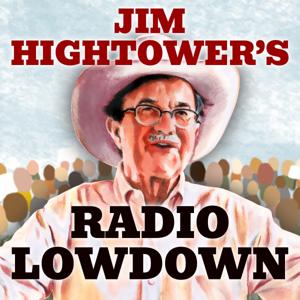

Over time, words with beautiful meanings occasionally get degraded into ugliness. “Gentle,” for example.
Originally meaning good natured and kindly, it was twisted into “gentry” in the Middle Ages by very un-gentle land barons seeking a patina of refinement. Then it became a pretentious verb – to “gentrify” – meaning to make something common appear upscale. And now the word has devolved to “gentrification,” describing the greed of developers and speculators who oust middle-and-low-income families from their communities to create trendy enclaves for the rich.
The latest move by these profiteers is their meanest yet, targeting families with the most tenuous hold on affordable shelter: People living in mobile home parks. Some 20 million Americans – especially vulnerable senior citizens, veterans, the disabled, and immigrant workers – make their homes in these inexpensive parks.
Well, “inexpensive” until the vultures sweep in, including multi-billion-dollar Wall Street powerhouses like Blackstone Group, Apollo Global Management, and Carlyle Group that’re buying up hundreds of trailer parks across the country. These are easy for unprincipled speculators to grab – while tenants might own their mobile home, they rent the lots, and the first sign that a huckster has taken over a neighborhood park is an unwarranted spike in everyone’s rent. Residents are captive tenants, for these homes are not really mobile, and even if one can be moved, the cost can top $10,000. New Yorker magazine notes that today’s typical mobile-home park has been called “a Waffle House where customers are chained to their booths.”
Corporate predators can collect ever-rising rents and fees, while cutting amenities, steadily driving out lower-income families. Then the business model can switch to gentrification, remaking the parks to attract upscale owners of million-dollar mobile homes.
And where do former tenants go? Away. Out of sight, out of mind.
To fight this predatory spending spree, some folks living in mobile homes are forming coops to buy the parks themselves. Check out this group in Oregon, for example.
Enjoyed this post? Please consider sharing with friends and on social media!
Jim Hightower's Lowdown is a reader-supported publication. To receive new posts and support my work, consider becoming a free or paid subscriber.
 View all episodes
 By Jim Hightower

4.8
338338 ratings
Over time, words with beautiful meanings occasionally get degraded into ugliness. “Gentle,” for example.
Originally meaning good natured and kindly, it was twisted into “gentry” in the Middle Ages by very un-gentle land barons seeking a patina of refinement. Then it became a pretentious verb – to “gentrify” – meaning to make something common appear upscale. And now the word has devolved to “gentrification,” describing the greed of developers and speculators who oust middle-and-low-income families from their communities to create trendy enclaves for the rich.
The latest move by these profiteers is their meanest yet, targeting families with the most tenuous hold on affordable shelter: People living in mobile home parks. Some 20 million Americans – especially vulnerable senior citizens, veterans, the disabled, and immigrant workers – make their homes in these inexpensive parks.
Well, “inexpensive” until the vultures sweep in, including multi-billion-dollar Wall Street powerhouses like Blackstone Group, Apollo Global Management, and Carlyle Group that’re buying up hundreds of trailer parks across the country. These are easy for unprincipled speculators to grab – while tenants might own their mobile home, they rent the lots, and the first sign that a huckster has taken over a neighborhood park is an unwarranted spike in everyone’s rent. Residents are captive tenants, for these homes are not really mobile, and even if one can be moved, the cost can top $10,000. New Yorker magazine notes that today’s typical mobile-home park has been called “a Waffle House where customers are chained to their booths.”
Corporate predators can collect ever-rising rents and fees, while cutting amenities, steadily driving out lower-income families. Then the business model can switch to gentrification, remaking the parks to attract upscale owners of million-dollar mobile homes.
And where do former tenants go? Away. Out of sight, out of mind.
To fight this predatory spending spree, some folks living in mobile homes are forming coops to buy the parks themselves. Check out this group in Oregon, for example.
Enjoyed this post? Please consider sharing with friends and on social media!
Jim Hightower's Lowdown is a reader-supported publication. To receive new posts and support my work, consider becoming a free or paid subscriber.

37,247 Listeners

8,474 Listeners

5,825 Listeners

433 Listeners

1,210 Listeners

6,122 Listeners

1,799 Listeners
32,354 Listeners

1,378 Listeners
3,964 Listeners
1,496 Listeners
8,562 Listeners
2,966 Listeners

6,281 Listeners

252 Listeners