
Sign up to save your podcasts
Or

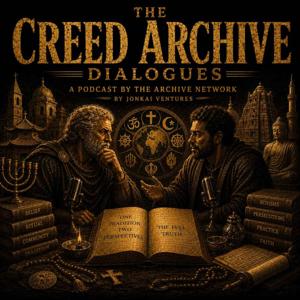


The Creed Archive Dialogues is part of The Archive Network by Jonkai Ventures. In every episode, curators Aurelius and Malik take one religious tradition and follow it from origin to living practice — one setting out the belief on its own terms, the other pressing on the harder ground.
The Archive Network is an independent, solo-run project. Everything is free, with no ads and no paywalls. Support doesn't unlock anything; it simply keeps the work going:
https://thearchivenetwork.com/support
Explore this archive:
https://thecreedarchive.com
Discover more archives and stories:
https://thearchivenetwork.com
Hosted on Acast. See acast.com/privacy for more information.
The Creed Archive Dialogues is part of The Archive Network by Jonkai Ventures. In every episode, curators Aurelius and Malik take one religious tradition and follow it from origin to living practice — one setting out the belief on its own terms, the other pressing on the harder ground.
The Archive Network is an independent, solo-run project. Everything is free, with no ads and no paywalls. Support doesn't unlock anything; it simply keeps the work going:
https://thearchivenetwork.com/support
Explore this archive:
https://thecreedarchive.com
Discover more archives and stories:
https://thearchivenetwork.com
Hosted on Acast. See acast.com/privacy for more information.
The Creed Archive Dialogues is part of The Archive Network by Jonkai Ventures. In every episode, curators Aurelius and Malik take one religious tradition and follow it from origin to living practice — one setting out the belief on its own terms, the other pressing on the harder ground.
The Archive Network is an independent, solo-run project. Everything is free, with no ads and no paywalls. Support doesn't unlock anything; it simply keeps the work going:
https://thearchivenetwork.com/support
Explore this archive:
https://thecreedarchive.com
Discover more archives and stories:
https://thearchivenetwork.com
Hosted on Acast. See acast.com/privacy for more information.
The Creed Archive Dialogues is part of The Archive Network by Jonkai Ventures. In every episode, curators Aurelius and Malik take one religious tradition and follow it from origin to living practice — one setting out the belief on its own terms, the other pressing on the harder ground.
The Archive Network is an independent, solo-run project. Everything is free, with no ads and no paywalls. Support doesn't unlock anything; it simply keeps the work going:
https://thearchivenetwork.com/support
Explore this archive:
https://thecreedarchive.com
Discover more archives and stories:
https://thearchivenetwork.com
Hosted on Acast. See acast.com/privacy for more information.
The Creed Archive Dialogues is part of The Archive Network by Jonkai Ventures. In every episode, curators Aurelius and Malik take one religious tradition and follow it from origin to living practice — one setting out the belief on its own terms, the other pressing on the harder ground.
The Archive Network is an independent, solo-run project. Everything is free, with no ads and no paywalls. Support doesn't unlock anything; it simply keeps the work going:
https://thearchivenetwork.com/support
Explore this archive:
https://thecreedarchive.com
Discover more archives and stories:
https://thearchivenetwork.com
Hosted on Acast. See acast.com/privacy for more information.
The Creed Archive Dialogues is part of The Archive Network by Jonkai Ventures. In every episode, curators Aurelius and Malik take one religious tradition and follow it from origin to living practice — one setting out the belief on its own terms, the other pressing on the harder ground.
The Archive Network is an independent, solo-run project. Everything is free, with no ads and no paywalls. Support doesn't unlock anything; it simply keeps the work going:
https://thearchivenetwork.com/support
Explore this archive:
https://thecreedarchive.com
Discover more archives and stories:
https://thearchivenetwork.com
Hosted on Acast. See acast.com/privacy for more information.
The Creed Archive Dialogues is part of The Archive Network by Jonkai Ventures. In every episode, curators Aurelius and Malik take one religious tradition and follow it from origin to living practice — one setting out the belief on its own terms, the other pressing on the harder ground.
The Archive Network is an independent, solo-run project. Everything is free, with no ads and no paywalls. Support doesn't unlock anything; it simply keeps the work going:
https://thearchivenetwork.com/support
Explore this archive:
https://thecreedarchive.com
Discover more archives and stories:
https://thearchivenetwork.com
Hosted on Acast. See acast.com/privacy for more information.
The Creed Archive Dialogues is part of The Archive Network by Jonkai Ventures. In every episode, curators Aurelius and Malik take one religious tradition and follow it from origin to living practice — one setting out the belief on its own terms, the other pressing on the harder ground.
The Archive Network is an independent, solo-run project. Everything is free, with no ads and no paywalls. Support doesn't unlock anything; it simply keeps the work going:
https://thearchivenetwork.com/support
Explore this archive:
https://thecreedarchive.com
Discover more archives and stories:
https://thearchivenetwork.com
Hosted on Acast. See acast.com/privacy for more information.
The Creed Archive Dialogues is part of The Archive Network by Jonkai Ventures. In every episode, curators Aurelius and Malik take one religious tradition and follow it from origin to living practice — one setting out the belief on its own terms, the other pressing on the harder ground.
The Archive Network is an independent, solo-run project. Everything is free, with no ads and no paywalls. Support doesn't unlock anything; it simply keeps the work going:
https://thearchivenetwork.com/support
Explore this archive:
https://thecreedarchive.com
Discover more archives and stories:
https://thearchivenetwork.com
Hosted on Acast. See acast.com/privacy for more information.
The Creed Archive Dialogues is part of The Archive Network by Jonkai Ventures. In every episode, curators Aurelius and Malik take one religious tradition and follow it from origin to living practice — one setting out the belief on its own terms, the other pressing on the harder ground.
The Archive Network is an independent, solo-run project. Everything is free, with no ads and no paywalls. Support doesn't unlock anything; it simply keeps the work going:
https://thearchivenetwork.com/support
Explore this archive:
https://thecreedarchive.com
Discover more archives and stories:
https://thearchivenetwork.com
Hosted on Acast. See acast.com/privacy for more information.
From the publisher's feed
The Creed Archive Dialogues is part of The Archive Network by Jonkai Ventures, a collection of podcasts dedicated to the stories that shaped our world.
Every episode is a conversation.…
These are not summaries. Each episode is one complete tradition, examined from both sides in a single sitting. Treated seriously, and on its own terms.
The Archive Network is an independent, solo-run project. Every archive, podcast and documentary is free — no ads, no paywalls. If it's been worth your time, you can help keep it that way:
https://thearchivenetwork.com/support
Discover more at:
https://thecreedarchive.com
https://thearchivenetwork.com
Hosted on Acast. See acast.com/privacy for more information.