
Sign up to save your podcasts
Or

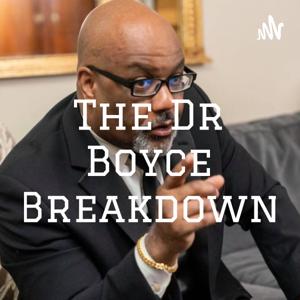


Buying Black is not charity. It is an economic strategy.
Every time we spend money, we are casting a vote for the businesses, families, and communities we want to survive. When Black dollars immediately leave our community, they create jobs, ownership, and wealth somewhere else. But when we intentionally support Black-owned businesses, we give those entrepreneurs the revenue they need to hire employees, expand operations, purchase property, and invest in the next generation.
A strong community must have more than talented workers. It must have owners.
Ownership gives us control over jobs, products, technology, land, education, media, and the stories told about our people. When we do not own the businesses serving our community, we remain economically dependent on institutions that may not prioritize our interests.
Buying Black also helps build family wealth. A successful Black business can pay for a child’s education, provide employment for relatives, become an inheritance, and create opportunities that last for generations. One purchase may seem small, but millions of intentional purchases can transform entire neighborhoods.
This does not mean supporting poor service or low-quality products. Black businesses must compete, improve, and treat customers well. But we should give strong Black-owned companies a fair opportunity to earn our loyalty instead of automatically assuming that bigger corporations are better.
We cannot demand economic power while refusing to practice economic discipline. Marching can raise awareness. Voting can influence policy. But spending, investing, producing, and owning determine who controls the economy.
The Black community has enormous purchasing power. The question is whether we will use that power to build institutions we own or continue using it to make everyone else wealthy.
Put the word MONEY in the comments to get an invitation to my morning financial class, or visit BoyceWatkins.com.
Dr Boyce Watkins talks about Donald Trump's strange meme coin adventure.
Dr Boyce talks about the high cost of making money as an athlete.
Dr Boyce has an honest conversation about reparations and the black community.
Dr Boyce speaks with students about black economics and answers questions
Dr Boyce speaks about the stock market crashing and evidence that this is going to happen.
The entertainment world is buzzing as Roc Nation faces a massive $100‑million lawsuit involving Moneybagg Yo’s agent. In this explosive episode, Finance PhD Dr. Boyce Watkins breaks down the business side of the drama — from contract disputes to the economics of celebrity representation.
Dr. Watkins, known for his sharp financial insight and cultural analysis, dives deep into what this case reveals about power, money, and accountability in the music industry. He explains how lawsuits like this can reshape artist management, impact brand equity, and expose the hidden financial structures behind major entertainment empires.
This isn’t just gossip — it’s a masterclass in financial literacy and business ethics. Whether you’re an entrepreneur, artist, or fan of hip‑hop culture, you’ll learn how legal battles can ripple through entire industries and why understanding contracts is essential for protecting your wealth.
Tune in as Dr. Boyce Watkins connects the dots between fame, finance, and fairness — and shows how every dollar tells a story.
Visit BoyceWatkins.com for more insights on building generational wealth and staying informed about the economics shaping Black America.
#BlackWealth #MusicIndustryMoney #FinancialEducation
Dr Boyce Watkins talks about the decline of space x stock and other wealth related issues in the black community.
The ladies of Fly Nubian Money speak about body trends for black women
From the publisher's feed

6,801 Listeners
14,197 Listeners
7,844 Listeners
10,937 Listeners
834 Listeners
4,045 Listeners
7,410 Listeners
10,517 Listeners
2,052 Listeners
1,933 Listeners
162 Listeners
297 Listeners
83 Listeners
476 Listeners
166 Listeners