
Sign up to save your podcasts
Or

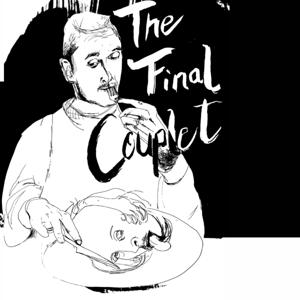


Shakespeare's long distance relationship continues. His eyes and his heart are at war!
----------------------------------
Sonnet 46
Mine eye and heart are at a mortal war,
How to divide the conquest of thy sight;
Mine eye my heart thy picture's sight would bar,
My heart mine eye the freedom of that right.
My heart doth plead that thou in him dost lie,
A closet never pierced with crystal eyes,
But the defendant doth that plea deny,
And says in him thy fair appearance lies.
To 'cide this title is impannelled
A quest of thoughts, all tenants to the heart;
And by their verdict is determined
The clear eye's moiety, and the dear heart's part:
As thus: mine eye's due is thine outward part,
And my heart's right, thine inward love of heart.
This should be called Sonnet 44 Part 2 but unfortunately it isn't. Sonnet 45 is a continuation of Shakespeare's lament about his long distance relationship. Get ready for the final couplet that sounds like it was written by his kid...
-----------------------------
Sonnet 45
The other two, slight air and purging fire,
Are both with thee, wherever I abide;
The first my thought, the other my desire,
These present-absent with swift motion slide.
For when these quicker elements are gone
In tender embassy of love to thee,
My life, being made of four, with two alone
Sinks down to death, oppressed with melancholy;
Until life's composition be recured
By those swift messengers return'd from thee,
Who even but now come back again, assured
Of thy fair health, recounting it to me:
This told, I joy; but then no longer glad,
I send them back again and straight grow sad.
Shakespeare talks about being in a long distance relationship in Sonnet 44. Even he thinks long distance relationships suck!
-----------------------------
Sonnet 44
If the dull substance of my flesh were thought,
Injurious distance should not stop my way;
For then despite of space I would be brought,
From limits far remote, where thou dost stay.
No matter then although my foot did stand
Upon the farthest earth removed from thee;
For nimble thought can jump both sea and land
As soon as think the place where he would be.
But ah! thought kills me that I am not thought,
To leap large lengths of miles when thou art gone,
But that, so much of earth and water wrought,
I must attend time's leisure with my moan,
Receiving nought by elements so slow
But heavy tears, badges of either's woe.
This one is all about Shakespeare dreaming about his lover when he is asleep. He says he sees better with his eyes closed, I might give it a go!
-----------------------------------------
Sonnet 43
When most I wink, then do mine eyes best see,
For all the day they view things unrespected;
But when I sleep, in dreams they look on thee,
And darkly bright, are bright in dark directed.
Then thou, whose shadow shadows doth make bright,
How would thy shadow’s form form happy show
To the clear day with thy much clearer light,
When to unseeing eyes thy shade shines so!
How would, I say, mine eyes be blessed made
By looking on thee in the living day,
When in dead night thy fair imperfect shade
Through heavy sleep on sightless eyes doth stay!
All days are nights to see till I see thee,
And nights bright days when dreams do show thee me.
The love triangle between Shakespeare, his best mate/lover and his wife intensifies.
----------------------------------
Sonnet 42
That thou hast her it is not all my grief,
And yet it may be said I loved her dearly;
That she hath thee is of my wailing chief,
A loss in love that touches me more nearly.
Loving offenders thus I will excuse ye:
Thou dost love her, because thou know'st I love her;
And for my sake even so doth she abuse me,
Suffering my friend for my sake to approve her.
If I lose thee, my loss is my love's gain,
And losing her, my friend hath found that loss;
Both find each other, and I lose both twain,
And both for my sake lay on me this cross:
But here's the joy; my friend and I are one;
Sweet flattery! then she loves but me alone.
What is going on? The recipient of Shakespeare's Sonnets is cheating on him with his wife? The love triangle to end all love triangles.
------------------------------------
Sonnet 41
Those pretty wrongs that liberty commits,
When I am sometime absent from thy heart,
Thy beauty, and thy years full well befits,
For still temptation follows where thou art.
Gentle thou art, and therefore to be won,
Beauteous thou art, therefore to be assailed;
And when a woman woos, what woman's son
Will sourly leave her till he have prevailed?
Ay me! but yet thou mightst my seat forbear,
And chide thy beauty and thy straying youth,
Who lead thee in their riot even there
Where thou art forced to break a twofold truth:
Hers by thy beauty tempting her to thee,
Thine by thy beauty being false to me.
Shakespeare is annoyed that his lover cheated on him... again! When will he learn!
--------------------------------------
Sonnet 40
Take all my loves, my love, yea, take them all:
What hast thou then more than thou hadst before?
No love, my love, that thou mayst true love call—
All mine was thine before thou hadst this more.
Then if for my love thou my love receivest,
I cannot blame thee for my love thou usest;
But yet be blamed if thou this self deceivest
By wilful taste of what thyself refusest.
I do forgive thy robb’ry, gentle thief,
Although thou steal thee all my poverty;
And yet love knows it is a greater grief
To bear love’s wrong than hate’s known injury.
Lascivious grace, in whom all ill well shows,
Kill me with spites, yet we must not be foes.
Shakespeare is very mature in Sonnet 39 and suggests he and BF remain apart to help the relationship. Maybe he should become a couples therapist?
-------------------------------------------
O! how thy worth with manners may I sing,
When thou art all the better part of me?
What can mine own praise to mine own self bring?
And what is't but mine own when I praise thee?
Even for this, let us divided live,
And our dear love lose name of single one,
That by this separation I may give
That due to thee which thou deserv'st alone.
O absence! what a torment wouldst thou prove,
Were it not thy sour leisure gave sweet leave,
To entertain the time with thoughts of love,
Which time and thoughts so sweetly doth deceive,
And that thou teachest how to make one twain,
By praising him here who doth hence remain.
Happy New Year! Sonnet 38 is, in my opinion, not his best work but I guess we all have off days... Also, a familiar character turns up in our story.
-------------------------------------
Sonnet 38
How can my muse want subject to invent,
While thou dost breathe, that pour'st into my verse
Thine own sweet argument, too excellent
For every vulgar paper to rehearse?
O! give thy self the thanks, if aught in me
Worthy perusal stand against thy sight;
For who's so dumb that cannot write to thee,
When thou thy self dost give invention light?
Be thou the tenth Muse, ten times more in worth
Than those old nine which rhymers invocate;
And he that calls on thee, let him bring forth
Eternal numbers to outlive long date.
If my slight muse do please these curious days,
The pain be mine, but thine shall be the praise.
Shakespeare talks about how old and decrepit he is BUT he can live vicariously through his younger lover which is slightly strange if you as me.
Our story continues with Shakespeare getting hunted by the police.
--------------------------------
Sonnet 37
As a decrepit father takes delight
To see his active child do deeds of youth,
So I, made lame by Fortune's dearest spite,
Take all my comfort of thy worth and truth;
For whether beauty, birth, or wealth, or wit,
Or any of these all, or all, or more,
Entitled in thy parts, do crowned sit,
I make my love engrafted to this store:
So then I am not lame, poor, nor despised,
Whilst that this shadow doth such substance give
That I in thy abundance am sufficed,
And by a part of all thy glory live.
Look what is best, that best I wish in thee:
This wish I have; then ten times happy me!
From the publisher's feed