
Sign up to save your podcasts
Or



This episode is from the Reconciliation Roadmap podcast. Released on March 23, 2025
In this episode of Reconciliation Roadmap, Dixie Crawford discusses the complexities and challenges surrounding Reconciliation Action Plans (RAPs) for organisations. She emphasises the importance of genuine engagement with First Nations communities, the need for cultural safety, and the risks of tokenism. Dixie argues that organisations should only pursue a RAP if they are truly ready and committed to meaningful reconciliation rather than following industry trends. She provides insights on building relationships, understanding community needs, and ensuring that RAPs are tailored to the specific contexts of First Nations communities.
Key takeaways
For more information on our work, connect with us on
This episode is from the Reconciliation Roadmap podcast. Released on December 12, 2024.
In this episode of Reconciliation Roadmap, Dixie Crawford discusses the significance of First Nations Impact Statements in fostering reconciliation and understanding within organisations. The conversation covers the definition, importance, and key components of these statements, as well as the process of developing them and their benefits. Challenges faced by organisations in implementing these statements are also addressed, alongside the long-term goals of reconciliation and the necessity of embedding First Nations perspectives in decision-making processes.
Takeaways
- A First Nations Impact Statement is a informative document that should be considered when collaborating with First Nations communities.
- It helps identify gaps and opportunities in community needs.
- Consultation is crucial for understanding community contexts.
- Impact statements challenge tokenism in organisational practices.
- They enhance organisational awareness and capacity.
- Incorporating these statements builds trust with communities.
- They help avoid unintended negative consequences.
- Regular monitoring is essential for effective implementation.
Chapters
00:00 Introduction to First Nations Impact Statements
03:11 Understanding the Importance of Impact Statements
05:52 Key Components of a First Nations Impact Statement
09:10 Developing a First Nations Impact Statement
11:52 Benefits of Incorporating Impact Statements
14:57 Challenges in Developing Impact Statements
18:13 Long-term Reconciliation Goals
For more information on our work, connect with us on
LinkedIn (Dixie)
LinkedIn (Nganya)
Instagram (blakbusinesswoman)
Instagram (nganya)
Website
Join our mailing list
This episode is from the Reconciliation Roadmap podcast. Released on November 10, 2023.
In this episode, Dixie Crawford highlights the importance of clear communication in reconciliation efforts. She shares practical tips for creating tailored strategies, using storytelling to engage audiences, and maintaining trust through transparency.
Dixie emphasises the need for leadership visibility, consistency, and cultural integrity when communicating both internally and externally. She also explores how to avoid common pitfalls like tokenism and overcomplication while promoting genuine collaboration with First Nations voices.
Listeners will gain actionable insights on measuring communication success, fostering trust, and aligning reconciliation messaging with organisational values.
Whether you’re starting or refining your approach, this episode is packed with practical advice to help you make a meaningful impact.
Chapters
00:00 The Importance of Clear Communication in Reconciliation
02:48 Effective Communication Strategies for Reconciliation
06:05 Tailoring Messages for Different Audiences
08:59 Leadership's Role in Reconciliation Communication
11:54 Storytelling as a Tool for Reconciliation
15:13 Engaging First Nations Voices
17:56 Transparency and Accountability in Reconciliation
21:11 Measuring the Effectiveness of Communication
Takeaways
For more information on our work, connect with us on
LinkedIn (Dixie)
LinkedIn (Nganya)
Instagram (blakbusinesswoman)
Instagram (nganya)
Website
Join our mailing list
This episode is from the Reconciliation Roadmap podcast. Released on November 10, 2023.
In this episode of Reconciliation Roadmap, Cooper Silk and Dixie Crawford discuss the critical importance of building strong relationships with First Nations stakeholders. They emphasise the need for genuine partnerships, co-design in consultation processes, and understanding the diverse needs of communities. The conversation highlights the significance of consistency, respect, and active listening in fostering trust and sustaining long-term relationships with First Nations communities.
Takeaways
Chapters
00:00 Building Strong Relationships with First Nations Stakeholders
02:53 The Importance of Co-Design in Consultation
06:04 Understanding Target Audiences for Effective Engagement
09:04 Key Elements of Trust and Respect in Engagement
11:22 Sustaining Long-Term Relationships with First Nations Communities
For more information on our work, connect with us on
LinkedIn (Dixie)
LinkedIn (Nganya)
Instagram (blakbusinesswoman)
Instagram (nganya)
Website
Join our mailing list
This episode is from the Reconciliation Roadmap podcast. Released on November 10, 2023.
In this episode, Cooper Silk and Dixie Crawford discuss the importance of constructing critical conversations about the purpose and potential of Reconciliation Action Plans (RAPs). They emphasise the need for organisations to understand the context of reconciliation and the core pillars of a RAP before developing one. They also highlight the importance of preparation, empathy, curiosity, and compassion in these conversations. The role of storytelling in enhancing the conversations is discussed, as well as the need for clear goals and outcomes. Reflecting on past conversations and seeking feedback are also emphasised as ways to improve future discussions.
Takeaways
Chapters
00:00 Understanding the Context and Core Pillars of RAPs
02:22 Preparation and Key Qualities for Effective Conversations
05:37 Constructing Critical Conversations as an Effective Leader
09:47 Ensuring All Voices Are Heard in Critical Conversations
12:27 Approaching Resistance with Compassion and Curiosity
16:50 Enhancing Conversations through Storytelling
18:14 Setting Clear Goals and Seeking Feedback
21:35 Creating Opportunities for Meaningful Action
22:59 Reflecting on Past Conversations and Acknowledging Progress
For more information on our work, connect with us on
LinkedIn (Dixie)
LinkedIn (Nganya)
Instagram (blakbusinesswoman)
Instagram (nganya)
Website
Join our mailing list
This episode is from the Reconciliation Roadmap podcast. Released on November 10, 2023.
In this episode of Reconciliation Roadmap, Cooper Silk and Dixie Crawford discuss the importance of finding the right RAP Leader. They highlight the problem of leaders who prioritise the visibility metric of allyship over actually doing the work of reconciliation. Dixie emphasises the qualities of a good RAP Leader, including consistency, passion, insight, critical self-reflection, and the ability to bring others along. They also discuss the importance of First Nations representation in RAP leadership and the need for ongoing learning and engagement. The conversation concludes with tips on spotting potential RAP champions and creating a leadership collective for the RAP.
Takeaways
Chapters
00:00 Introduction and Passion for Finding the Right RAP Leader
00:28 Problem of Leaders Prioritising Visibility over Work
02:17 Qualities of a Good RAP Leader: Consistency and Commitment
03:05 One Percenters: Meaningful Acknowledgement of Country
04:30 Importance of Consistent Engagement Beyond Special Occasions
07:25 Avoiding Red Flags: Notions of Allyship and Past Experience
09:46 First Nations Representation in RAP Leadership
10:43 Spotting Potential RAP Champions: Effective Conversations and Information Sharing
14:52 Being a RAP Leader: Demonstrated Actions and Commitment
15:47 The Role of Young People in RAP Leadership
18:03 Creating a Leadership Collective for the RAP
19:29 Engaging Leadership at All Levels: Learning and Communication
21:25 Maintaining Commitment and Effectiveness of the RAP Leader
For more information on our work, connect with us on
LinkedIn (Dixie)
LinkedIn (Nganya)
Instagram (blakbusinesswoman)
Instagram (nganya)
Website
Join our mailing list
This episode is from the Reconciliation Roadmap podcast. Released on November 10, 2023.
In this episode, Cooper Silk and Dixie Crawford discuss how to engage the workforce in conversations about reconciliation. They emphasise the importance of engaging stakeholders from the beginning to ensure the success and impact of the Reconciliation Action Plan (RAP). They highlight the need for shared understanding and insight about reconciliation and the RAP, as well as the importance of ongoing education and awareness about First Nations lived experiences. They also discuss effective ways to start the conversation, the role of leadership in setting the tone, the evolution of cultural awareness training, creating a safe environment for conversations, maintaining momentum, addressing resistance, and ensuring tangible outcomes.
Key takeaways
Chapters
00:00 Introduction and Importance of Engaging the Workforce
00:56 Creating Shared Understanding and Insight
02:44 Ongoing Education and Awareness about First Nations Lived Experiences
04:10 Effective Ways to Start the Conversation
05:30 Setting the Tone for Meaningful Conversations
07:15 The Evolution of Cultural Awareness Training
11:41 Creating a Safe Environment for Conversations
15:28 Maintaining Momentum in Reconciliation Conversations
16:24 Addressing Resistance and Unease
18:44 Ensuring Tangible Outcomes from Reconciliation Conversations
About Nganya
Nganya is a 100% Aboriginal owned and operated business, committed to delivering high quality service and advice to our clients. We are focused on collaborations with purpose and community impact.
At Nganya, through a people and relationship-focused approach to community engagement, we ensure two-way relationships are nurtured with First Nations communities. We support and stretch individuals and organisations to make valuable contributions to achieve sustainable social change that delivers equitable outcomes.
We provide culturally sound and professional advice on and the development and implementation Reconciliation Action Plan deliverables.
Connect with Dixie:
Website
LinkedIn (Dixie)
Join our mailing list
This episode is from the Reconciliation Roadmap podcast. Released on November 10, 2023.
In this episode, we explore how organisations can navigate change when implementing a Reconciliation Action Plan (RAP). Change is a natural part of the RAP process, and organisations need to be flexible and adaptable to ensure they are responding to evolving circumstances effectively. We discuss how being able to anticipate and adjust to change is key to achieving long-term success.
Setting clear goals and regularly monitoring progress is essential to keep the RAP on track. It’s important to make sure that the RAP isn’t just a document but is actively making a meaningful impact within the organisation and in the wider community. Tracking the impact ensures that the RAP is always heading in the right direction.
Effective communication is another key theme of the episode. We explore how organisations can keep both internal and external stakeholders involved and informed throughout the RAP journey. Open and honest communication builds trust – and trust is crucial to success, particularly when building relationships with First Nations communities.
We also dive into the importance of continuous learning, especially about Aboriginal histories and lived experiences. Leaders need to stay informed and open to growth to effectively champion reconciliation. Involving diverse voices and collaborating with others are essential, as different perspectives help solve problems and implement stronger strategies.
Leaders play a huge role in setting the tone and supporting the RAP. When they lead by example and show a strong commitment, it boosts team morale and helps drive the organisation forward. We also talk about how changes made to the RAP should always align with the organisation's goals and values. Regular reviews and seeking feedback from stakeholders are crucial to making improvements and ensuring the RAP remains relevant and impactful.
Tune in for insights on how to make your RAP journey adaptable, successful, and full of purpose!
Chapters
00:00 Introduction and Change in RAP Implementation
03:10 Flexibility, Adaptability, and Clear Goals
08:43 Effective Communication and Stakeholder Involvement
11:01 Building Trust within the Organisation
14:19 Continuous Learning and Evolving as a Leader
16:38 Collaboration and Diversity of Thought
19:24 The Role of Leadership in Supporting the RAP
21:19 Aligning Changes to the RAP with Organisational Goals
For more information on our work, connect with us on
LinkedIn (Dixie)
LinkedIn (Nganya)
Instagram (blakbusinesswoman)
Instagram (nganya)
Website
Join our mailing list
This episode is from the Reconciliation Roadmap podcast. Released on November 10, 2023.
In this episode of the Reconciliation Roadmap Podcast, host Dixie Crawford discusses the importance of receiving and acting on constructive feedback from the community when developing and implementing a Reconciliation Action Plan (RAP). She emphasises the need for organisations for First Nations representation on your RAP Working Group that has First Nations lived experience and is connected to the community to analyse and respond to community feedback. Dixie highlights five key points: relevance, quality improvement, sustainable relationships, identifying blind spots, and exchanging knowledge. She also provides guidance on how to seek feedback, what questions to ask, how to handle critical feedback, and how to implement feedback effectively.
Takeaways
For more information on our work, connect with us on
LinkedIn (Dixie)
LinkedIn (Nganya)
Instagram (blakbusinesswoman)
Instagram (nganya)
Website
Join our mailing list
This episode is from the Reconciliation Roadmap podcast. Released on November 10, 2023.
In this episode, Dixie discusses the importance of leveraging organisational leadership to implement a Reconciliation Action Plan (RAP). She highlights that leadership teams set the tone and vision for the organisation, inspires and motivates others to get involved and allocate resources for implementing the RAP. Dixie also identifies common challenges in implementing a RAP, such as lack of awareness and understanding, organisational resistance, lack of resources, lack of leadership support or commitment, and cultural insensitivity. She provides practical strategies for leveraging leadership support, including engaging leaders to publicly endorse the RAP, involving them in the RAP Working Group, aligning RAP initiatives with their KPIs, and maintaining transparency and communication. Dixie emphasises the importance of learning from setbacks, monitoring and assessing progress, setting SMART goals, and establishing accountability mechanisms.
Key takeaways
Chapters
00:00 Introduction and Acknowledgment
07:47 Challenges and Resistance in RAP Implementation
15:16 Strategies for Engaging Leadership in RAP
25:00 Setting SMART Goals and Establishing Accountability in RAP
Connect with us
For more information on our work, connect with us on
LinkedIn (Dixie)
LinkedIn (Nganya)
Instagram (nganya)
Website
Join our mailing list
From the publisher's feed
The national conversation about First Nations peoples has been reduced to documents, targets and annual reports. Strategies get launched. Policies get announced. Plans get signed off. But too…
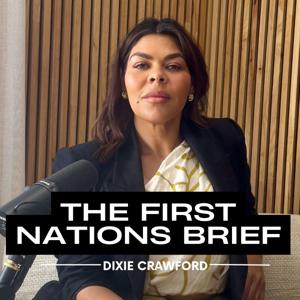
The First Nations Brief exists to ask why.
It's about strategy. Cultural intelligence. Policy development. Evaluation. Social policy. Reconciliation. And the social and political realities First Nations peoples live with every day, which decide whether any of it works.
Hosted by Dixie Crawford, founder of Nganya, the show is for the people who design, fund, deliver and measure decisions affecting First Nations peoples. That includes policy makers and public servants, executives and boards, strategy and evaluation professionals, not-for-profit and community sector leaders, reconciliation leads, researchers, and First Nations professionals and leaders.
Every episode is a brief: one question, the real problem behind it, and the social and political context that usually gets left out. Dixie then shares her take, drawn from over two decades across government, corporate and community settings, and what leaders can do differently.