
Sign up to save your podcasts
Or

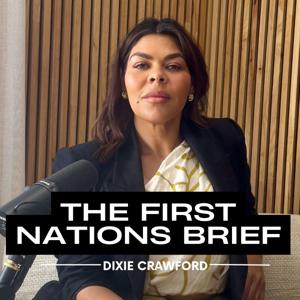


This episode is from the Reconciliation Roadmap podcast. Released on November 10, 2023.
In this episode, Dixie Crawford discusses the importance of effective communication in implementing an organisation's Reconciliation Action Plan (RAP). Dixie emphasises the need for clear and consistent messaging, tailoring communication to different stakeholders, and creating opportunities for engagement and participation. Dixie also highlights the significance of leadership commitment, education and awareness, and building trust with First Nations communities. Consistency in communication is crucial for maintaining engagement, fostering long-term impact, and aligning the RAP with the organisation's values and culture.
Key takeaways
Chapters
00:00 The Importance of Effective Communication in Implementing a Reconciliation Action Plan
06:54 Leadership Commitment: Inspiring and Motivating Employees to Participate in the RAP
About Nganya
Nganya is a 100% Aboriginal owned and operated business, committed to delivering high quality service and advice to our clients. We are focused on collaborations with purpose and community impact.
At Nganya, through a people and relationship-focused approach to community engagement, we ensure two-way relationships are nurtured with First Nations communities. We support and stretch individuals and organisations to make valuable contributions to achieve sustainable social change that delivers equitable outcomes.
We provide culturally sound and professional advice on and the development and implementation Reconciliation Action Plan deliverables.
Sign up to the Nganya newsletter here.
This episode is from the Reconciliation Roadmap podcast. Released on November 10, 2023.
Discover the vital role effective resourcing plays in developing and implementing a Reconciliation Action Plan (RAP) in our latest episode. We discuss the key elements of time, finances, project management tools, staff leadership and influence that contribute to the success and impact of a RAP.
To create a comprehensive RAP, it takes time and dedication. We emphasise the importance of allocating sufficient time for consultation and engagement to ensure the RAP truly resonates with your stakeholders.
It is critical we remember that effective resourcing also involves financial investment. This includes hiring dedicated staff, providing cultural awareness training, participating in events and seeking expert advice on employment and procurement strategies. By strategically allocating funds, organisations can display their commitment to reconciliation and generate genuine economic opportunities for First Nations communities.
Stay connected with our work.
Website
LinkedIn (Dixie)
This episode is from the Reconciliation Roadmap podcast. Released on November 10, 2023.
In this episode, I emphasise the significance of not taking feedback personally when it comes to leading and implementing the Reconciliation Action Plan (RAP) in your organisation. We all struggle with receiving feedback, especially when it's influenced by our mood, the delivery, the source and our interpretation of the conversation's intention.
There are effective ways to approach and handle feedback or advice on becoming better, more influential leaders. These include actively listening, separating feedback from our self-worth, staying open-minded, seeking clarification and avoiding defensiveness.
One of the key aspects of implementing a RAP in your organisation is having open and honest communication. This extends to receiving feedback as well. As leaders, it's important to create a safe space for others to provide constructive criticism or suggestions for improvement.
It's crucial that we take the time to process feedback, reflect on our behaviour and patterns, seek diverse perspectives, embrace a growth mindset and focus on the impact of our actions rather than solely our intentions. Sometimes, they may not align perfectly.
Stay connected with our work.
Website
LinkedIn (Dixie)
This episode is from the Reconciliation Roadmap podcast. Released on November 10, 2023.
In this episode, we'll explore the consequences of lacking clear leadership and how it can hinder progress towards reconciliation. Discover how businesses of all sizes can foster relationships with First Nations communities, embed cultural understanding and create a comprehensive RAP. We'll also emphasise the crucial role of accountability and transparency in driving progress towards reconciliation.
We examine how clear leadership and well-defined roles and responsibilities contribute to fostering inclusivity and diversity within organisations. By involving employees and prioritising reconciliation, RAPs can create a sense of connection and commitment throughout the entire workforce. Not only does this ensure a more successful implementation, but it also has a positive impact on employee morale and company culture.
The episode highlights the importance of clear leadership, the diverse roles and responsibilities involved and how businesses of all sizes can make a meaningful impact through the implementation of RAPs.
Join us for the - RAP Leaders Masterclass Tickets, Tue 05/12/2023 at 9:30 am | Eventbrite
Stay connected with our work.
Website
LinkedIn (Dixie)
This episode is from the Reconciliation Roadmap podcast. Released on November 10, 2023.
In this episode, we discuss the valuable insight and experiences RAP Consultants bring to the table, ensuring your RAP addresses all essential elements and makes a lasting impact. They possess exceptional communication and facilitation skills, fostering collaboration and engagement among stakeholders. Cultural competency and a commitment to continual learning are pivotal traits they possess, guaranteeing respect and inclusivity throughout the entire process.
When choosing a consultant, search for a proven track record of customising RAPs to align with your organisation's goals and values. Look for strong communication skills and facilitation abilities to ensure effective stakeholder engagement and collaboration.
An experienced consultant transcends mere expertise, demonstrating in-depth knowledge of First Nations cultures, histories and protocols. Their guidance allows your organisation to navigate complex issues with sensitivity, fostering respectful relationships and creating impactful initiatives. Trust in the expertise and guidance of our consultants to elevate the credibility and impact of your RAP.
Stay connected with our work.
Website
LinkedIn (Dixie)
This episode is from the Reconciliation Roadmap podcast. Released on November 10, 2023.
In this episode, we dive deep into the power of self-reflection and uncovering the barriers that may be hindering the success of your organisation's Reconciliation Action Plan (RAP). We all tend to micromanage without even realising it, and without feedback, we remain oblivious to how our actions impact our team members.
It's crucial to identify the root cause of our micromanagement habits. Is it a lack of trust in others? Do we believe we're the only ones who can do the job? Are we control freaks who need to oversee everything for quality assurance? Or is it simply because we feel like we care more about the business than anyone else?
In both Part 1 and Part 2, I reveal the telltale signs of micromanagement and provide practical strategies for overcoming this detrimental choice.
Stay connected with our work.
Website
LinkedIn (Dixie)
This episode is from the Reconciliation Roadmap podcast. Released on November 10, 2023.
In this episode, we dive deep into the power of self-reflection and uncovering the barriers that may be hindering the success of your organisation's Reconciliation Action Plan (RAP). We all tend to micromanage without even realising it, and without feedback, we remain oblivious to how our actions impact our team members.
It's crucial to identify the root cause of our micromanagement habits. Is it a lack of trust in others? Do we believe we're the only ones who can do the job? Are we control freaks who need to oversee everything for quality assurance? Or is it simply because we feel like we care more about the business than anyone else?
In both Part 1 and Part 2, I reveal the telltale signs of micromanagement and provide practical strategies for overcoming this detrimental choice.
Stay connected with our work.
Website
LinkedIn (Dixie)
This episode is from the Reconciliation Roadmap podcast. Released on November 10, 2023.
In this episode, we discuss the essential steps your organisation needs to take to achieve success in implementing a Reconciliation Action Plan (RAP). Our episode explores practical strategies and invaluable insights that will empower you to build a strong foundation for First Nations culture and community within your organisation. By setting up your organisation for success right from the start, you can ensure that your RAP is impactful, sustainable and brings about meaningful change.
To achieve this, it is crucial to have the support of senior executives who are passionate about reconciliation efforts and allocate the necessary resources. Engaging employees and stakeholders is key to the success of RAP implementation. By effectively communicating the importance and goals of your RAP through internal campaigns, workshops and training sessions, you can foster a deep understanding and gain the support needed.
We understand that challenges may arise during RAP implementation, such as resistance to change, lack of awareness or understanding, and limited resources. However, by providing ongoing education and communication, along with clear rationales for the RAP and its benefits, you can overcome these obstacles and make a lasting impact.
Stay connected with our work:
Website
LinkedIn (Dixie)
This episode is from the Reconciliation Roadmap podcast. Released on November 2, 2023.
In this episode, we discuss the essential steps your organisation needs to take to achieve success in implementing a Reconciliation Action Plan (RAP). Our episode explores practical strategies and invaluable insights that will empower you to build a strong foundation for First Nations culture and community within your organisation. By setting up your organisation for success right from the start, you can ensure that your RAP is impactful, sustainable and brings about meaningful change.
To achieve this, it is crucial to have the support of senior executives who are passionate about reconciliation efforts and allocate the necessary resources. Engaging employees and stakeholders is key to the success of RAP implementation. By effectively communicating the importance and goals of your RAP through internal campaigns, workshops and training sessions, you can foster a deep understanding and gain the support needed.
We understand that challenges may arise during RAP implementation, such as resistance to change, lack of awareness or understanding, and limited resources. However, by providing ongoing education and communication, along with clear rationales for the RAP and its benefits, you can overcome these obstacles and make a lasting impact.
Stay connected with our work:
Website
LinkedIn (Dixie)
This episode is from the Reconciliation Roadmap podcast. Released on November 6, 2023.
In this episode of Reconciliation Roadmap, we delve into the heart of Reconciliation Action Plans (RAP), providing a practical guide and impactful insights for those seeking to understand, develop and execute these essential strategies. This episode is about taking you from contemplation to action, helping you navigate the complexities and turn good intentions into meaningful outcomes.
We'll explore what motivates businesses to develop a RAP and how it beautifully aligns with their mission. Hear about what it takes for organisations to effectively execute a RAP and the significant outcomes that can be achieved.
One of the biggest hurdles in developing a RAP is the fear of cultural ignorance, misunderstanding or a lack of confidence to lean into the work. We'll address this head-on, discussing ways to respectfully understand First Nations histories and cultures, turning fear into knowledge and respect.
Partnerships are at the core of effective, impactful and genuine RAPs. We will discuss how fostering meaningful relationships with First Nations communities isn't just a requirement but a significant opportunity for organisations to learn, grow and contribute positively.
We outline organisations' common challenges when developing or executing a RAP, providing solutions and advice to overcome these obstacles. We'll discuss setting
measurable goals and targets without falling into the trap of tokenism and transactional action. It's about real change, not just ticking boxes.
This episode will give you practical insights, actionable steps and an understanding of ensuring the RAP implementation is relevant and it reflects your organisation's capability, capacity and connection with First Nations peoples and communities. This episode is for you, whether at the beginning of your RAP journey or seeking to enhance your existing plan.
About Nganya
Nganya is a 100% Aboriginal owned and operated business, committed to delivering high quality service and advice to our clients. We are focused on collaborations with purpose and community impact.
At Nganya, through a people and relationship-focused approach to community engagement, we ensure two-way relationships are nurtured with First Nations communities. We support and stretch individuals and organisations to make valuable contributions to achieve sustainable social change that delivers equitable outcomes.
We provide culturally sound and professional advice on and the development and implementation Reconciliation Action Plan deliverables.
Connect with Dixie:
Website
LinkedIn (Dixie)
Join our mailing list
From the publisher's feed
The national conversation about First Nations peoples has been reduced to documents, targets and annual reports. Strategies get launched. Policies get announced. Plans get signed off. But too…
The First Nations Brief exists to ask why.
It's about strategy. Cultural intelligence. Policy development. Evaluation. Social policy. Reconciliation. And the social and political realities First Nations peoples live with every day, which decide whether any of it works.
Hosted by Dixie Crawford, founder of Nganya, the show is for the people who design, fund, deliver and measure decisions affecting First Nations peoples. That includes policy makers and public servants, executives and boards, strategy and evaluation professionals, not-for-profit and community sector leaders, reconciliation leads, researchers, and First Nations professionals and leaders.
Every episode is a brief: one question, the real problem behind it, and the social and political context that usually gets left out. Dixie then shares her take, drawn from over two decades across government, corporate and community settings, and what leaders can do differently.