
Sign up to save your podcasts
Or

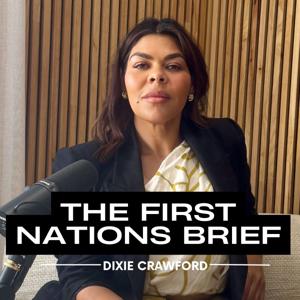


This episode is from the Reconciliation Roadmap podcast. Released on November 6, 2023.
In this episode of Reconciliation Roadmap, we delve into the heart of Reconciliation Action Plans (RAP), providing a practical guide and impactful insights for those seeking to understand, develop and execute these essential strategies. This episode is about taking you from contemplation to action, helping you navigate the complexities and turn good intentions into meaningful outcomes.
We'll explore what motivates businesses to develop a RAP and how it beautifully aligns with their mission. Hear about what it takes for organisations to effectively execute a RAP and the significant outcomes that can be achieved.
One of the biggest hurdles in developing a RAP is the fear of cultural ignorance, misunderstanding or a lack of confidence to lean into the work. We'll address this head-on, discussing ways to respectfully understand First Nations histories and cultures, turning fear into knowledge and respect.
Partnerships are at the core of effective, impactful and genuine RAPs. We will discuss how fostering meaningful relationships with First Nations communities isn't just a requirement but a significant opportunity for organisations to learn, grow and contribute positively.
We outline organisations' common challenges when developing or executing a RAP, providing solutions and advice to overcome these obstacles. We'll discuss setting
measurable goals and targets without falling into the trap of tokenism and transactional action. It's about real change, not just ticking boxes.
This episode will give you practical insights, actionable steps and an understanding of ensuring the RAP implementation is relevant and it reflects your organisation's capability, capacity and connection with First Nations peoples and communities. This episode is for you, whether at the beginning of your RAP journey or seeking to enhance your existing plan.
About Nganya
Nganya is a 100% Aboriginal owned and operated business, committed to delivering high quality service and advice to our clients. We are focused on collaborations with purpose and community impact.
At Nganya, through a people and relationship-focused approach to community engagement, we ensure two-way relationships are nurtured with First Nations communities. We support and stretch individuals and organisations to make valuable contributions to achieve sustainable social change that delivers equitable outcomes.
We provide culturally sound and professional advice on and the development and implementation Reconciliation Action Plan deliverables.
Connect with Dixie:
Website
LinkedIn (Dixie)
Join our mailing list
This episode is from the Reconciliation Roadmap podcast. Released on November 10, 2023.
In this episode of Reconciliation Roadmap, Cooper Silk and Dixie Crawford discuss the importance of finding the right RAP Leader. They highlight the problem of leaders who prioritise the visibility metric of allyship over actually doing the work of reconciliation. Dixie emphasises the qualities of a good RAP Leader, including consistency, passion, insight, critical self-reflection, and the ability to bring others along. They also discuss the importance of First Nations representation in RAP leadership and the need for ongoing learning and engagement. The conversation concludes with tips on spotting potential RAP champions and creating a leadership collective for the RAP.
Takeaways
Chapters
00:00 Introduction and Passion for Finding the Right RAP Leader
00:28 Problem of Leaders Prioritising Visibility over Work
02:17 Qualities of a Good RAP Leader: Consistency and Commitment
03:05 One Percenters: Meaningful Acknowledgement of Country
04:30 Importance of Consistent Engagement Beyond Special Occasions
07:25 Avoiding Red Flags: Notions of Allyship and Past Experience
09:46 First Nations Representation in RAP Leadership
10:43 Spotting Potential RAP Champions: Effective Conversations and Information Sharing
14:52 Being a RAP Leader: Demonstrated Actions and Commitment
15:47 The Role of Young People in RAP Leadership
18:03 Creating a Leadership Collective for the RAP
19:29 Engaging Leadership at All Levels: Learning and Communication
21:25 Maintaining Commitment and Effectiveness of the RAP Leader
For more information on our work, connect with us on
LinkedIn (Dixie)
LinkedIn (Nganya)
Instagram (blakbusinesswoman)
Instagram (nganya)
Website
Join our mailing list
This episode is from the Reconciliation Roadmap podcast. Released on November 2, 2023.
----
In our first episode of Reconciliation Roadmap, we dive into what Reconciliation Action Plans (RAP) are, what can be achieved through effective and impactful implementation and why this work remains a commitment of Dixie Crawford, Barkindji Woman, Founder of Nganya and RAP Consultant.
Host Holly Ferling, Journalist and Professional Cricketer, discusses with Dixie the purpose, potential and power of RAPs and what motivates her personal drive and passion for these strategic documents within organisations.
Dixie shares her background and experience and how she works alongside communities and clients to ensure meaningful connection, mutual respect and focus on demonstrated leadership to improve First Nations communities' lived experiences, social outcomes, and wellbeing.
In this episode, you will get both Holly and Dixie, how they became connected and the purpose of Reconciliation Roadmap.
About Nganya
Nganya is a 100% Aboriginal owned and operated business, committed to delivering high quality service and advice to our clients. We are focused on collaborations with purpose and community impact.
At Nganya, through a people and relationship-focused approach to community engagement, we ensure two-way relationships are nurtured with First Nations communities. We support and stretch individuals and organisations to make valuable contributions to achieve sustainable social change that delivers equitable outcomes.
We provide culturally sound and professional advice on and the development and implementation Reconciliation Action Plan deliverables.
Connect with Dixie:
Website
LinkedIn (Dixie)
Join our mailing list
This episode is from the Reconciliation Roadmap podcast. Released on March 23, 2025
In this episode of Reconciliation Roadmap, Dixie Crawford discusses the complexities and challenges surrounding Reconciliation Action Plans (RAPs) for organisations. She emphasises the importance of genuine engagement with First Nations communities, the need for cultural safety, and the risks of tokenism. Dixie argues that organisations should only pursue a RAP if they are truly ready and committed to meaningful reconciliation rather than following industry trends. She provides insights on building relationships, understanding community needs, and ensuring that RAPs are tailored to the specific contexts of First Nations communities.
Key takeaways
For more information on our work, connect with us on
This episode is from the Reconciliation Roadmap podcast. Released on December 12, 2024.
In this episode of Reconciliation Roadmap, Dixie Crawford discusses the significance of First Nations Impact Statements in fostering reconciliation and understanding within organisations. The conversation covers the definition, importance, and key components of these statements, as well as the process of developing them and their benefits. Challenges faced by organisations in implementing these statements are also addressed, alongside the long-term goals of reconciliation and the necessity of embedding First Nations perspectives in decision-making processes.
Takeaways
- A First Nations Impact Statement is a informative document that should be considered when collaborating with First Nations communities.
- It helps identify gaps and opportunities in community needs.
- Consultation is crucial for understanding community contexts.
- Impact statements challenge tokenism in organisational practices.
- They enhance organisational awareness and capacity.
- Incorporating these statements builds trust with communities.
- They help avoid unintended negative consequences.
- Regular monitoring is essential for effective implementation.
Chapters
00:00 Introduction to First Nations Impact Statements
03:11 Understanding the Importance of Impact Statements
05:52 Key Components of a First Nations Impact Statement
09:10 Developing a First Nations Impact Statement
11:52 Benefits of Incorporating Impact Statements
14:57 Challenges in Developing Impact Statements
18:13 Long-term Reconciliation Goals
For more information on our work, connect with us on
LinkedIn (Dixie)
LinkedIn (Nganya)
Instagram (blakbusinesswoman)
Instagram (nganya)
Website
Join our mailing list
This episode is from the Reconciliation Roadmap podcast. Released on November 10, 2023.
In this episode, Cooper Silk and Dixie Crawford discuss the importance of constructing critical conversations about the purpose and potential of Reconciliation Action Plans (RAPs). They emphasise the need for organisations to understand the context of reconciliation and the core pillars of a RAP before developing one. They also highlight the importance of preparation, empathy, curiosity, and compassion in these conversations. The role of storytelling in enhancing the conversations is discussed, as well as the need for clear goals and outcomes. Reflecting on past conversations and seeking feedback are also emphasised as ways to improve future discussions.
Takeaways
Chapters
00:00 Understanding the Context and Core Pillars of RAPs
02:22 Preparation and Key Qualities for Effective Conversations
05:37 Constructing Critical Conversations as an Effective Leader
09:47 Ensuring All Voices Are Heard in Critical Conversations
12:27 Approaching Resistance with Compassion and Curiosity
16:50 Enhancing Conversations through Storytelling
18:14 Setting Clear Goals and Seeking Feedback
21:35 Creating Opportunities for Meaningful Action
22:59 Reflecting on Past Conversations and Acknowledging Progress
For more information on our work, connect with us on
LinkedIn (Dixie)
LinkedIn (Nganya)
Instagram (blakbusinesswoman)
Instagram (nganya)
Website
Join our mailing list
This episode is from the Reconciliation Roadmap podcast. Released on November 10, 2023.
In this episode of the Reconciliation Roadmap Podcast, host Dixie Crawford discusses the importance of receiving and acting on constructive feedback from the community when developing and implementing a Reconciliation Action Plan (RAP). She emphasises the need for organisations for First Nations representation on your RAP Working Group that has First Nations lived experience and is connected to the community to analyse and respond to community feedback. Dixie highlights five key points: relevance, quality improvement, sustainable relationships, identifying blind spots, and exchanging knowledge. She also provides guidance on how to seek feedback, what questions to ask, how to handle critical feedback, and how to implement feedback effectively.
Takeaways
For more information on our work, connect with us on
LinkedIn (Dixie)
LinkedIn (Nganya)
Instagram (blakbusinesswoman)
Instagram (nganya)
Website
Join our mailing list
This episode is from the Reconciliation Roadmap podcast. Released on November 10, 2023.
In this episode, Dixie discusses the importance of leveraging organisational leadership to implement a Reconciliation Action Plan (RAP). She highlights that leadership teams set the tone and vision for the organisation, inspires and motivates others to get involved and allocate resources for implementing the RAP. Dixie also identifies common challenges in implementing a RAP, such as lack of awareness and understanding, organisational resistance, lack of resources, lack of leadership support or commitment, and cultural insensitivity. She provides practical strategies for leveraging leadership support, including engaging leaders to publicly endorse the RAP, involving them in the RAP Working Group, aligning RAP initiatives with their KPIs, and maintaining transparency and communication. Dixie emphasises the importance of learning from setbacks, monitoring and assessing progress, setting SMART goals, and establishing accountability mechanisms.
Key takeaways
Chapters
00:00 Introduction and Acknowledgment
07:47 Challenges and Resistance in RAP Implementation
15:16 Strategies for Engaging Leadership in RAP
25:00 Setting SMART Goals and Establishing Accountability in RAP
Connect with us
For more information on our work, connect with us on
LinkedIn (Dixie)
LinkedIn (Nganya)
Instagram (nganya)
Website
Join our mailing list
This episode is from the Reconciliation Roadmap podcast. Released on November 10, 2023.
In this episode, we'll explore the consequences of lacking clear leadership and how it can hinder progress towards reconciliation. Discover how businesses of all sizes can foster relationships with First Nations communities, embed cultural understanding and create a comprehensive RAP. We'll also emphasise the crucial role of accountability and transparency in driving progress towards reconciliation.
We examine how clear leadership and well-defined roles and responsibilities contribute to fostering inclusivity and diversity within organisations. By involving employees and prioritising reconciliation, RAPs can create a sense of connection and commitment throughout the entire workforce. Not only does this ensure a more successful implementation, but it also has a positive impact on employee morale and company culture.
The episode highlights the importance of clear leadership, the diverse roles and responsibilities involved and how businesses of all sizes can make a meaningful impact through the implementation of RAPs.
Join us for the - RAP Leaders Masterclass Tickets, Tue 05/12/2023 at 9:30 am | Eventbrite
Stay connected with our work.
Website
LinkedIn (Dixie)
This episode is from the Reconciliation Roadmap podcast. Released on November 10, 2023.
In this episode, we discuss the valuable insight and experiences RAP Consultants bring to the table, ensuring your RAP addresses all essential elements and makes a lasting impact. They possess exceptional communication and facilitation skills, fostering collaboration and engagement among stakeholders. Cultural competency and a commitment to continual learning are pivotal traits they possess, guaranteeing respect and inclusivity throughout the entire process.
When choosing a consultant, search for a proven track record of customising RAPs to align with your organisation's goals and values. Look for strong communication skills and facilitation abilities to ensure effective stakeholder engagement and collaboration.
An experienced consultant transcends mere expertise, demonstrating in-depth knowledge of First Nations cultures, histories and protocols. Their guidance allows your organisation to navigate complex issues with sensitivity, fostering respectful relationships and creating impactful initiatives. Trust in the expertise and guidance of our consultants to elevate the credibility and impact of your RAP.
Stay connected with our work.
Website
LinkedIn (Dixie)