
Sign up to save your podcasts
Or

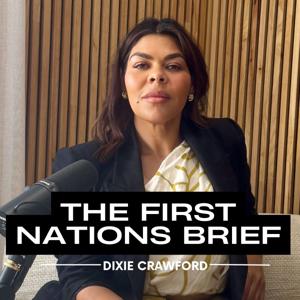


This episode is from the Reconciliation Roadmap podcast. Released on November 10, 2023.
In this episode, we dive deep into the power of self-reflection and uncovering the barriers that may be hindering the success of your organisation's Reconciliation Action Plan (RAP). We all tend to micromanage without even realising it, and without feedback, we remain oblivious to how our actions impact our team members.
It's crucial to identify the root cause of our micromanagement habits. Is it a lack of trust in others? Do we believe we're the only ones who can do the job? Are we control freaks who need to oversee everything for quality assurance? Or is it simply because we feel like we care more about the business than anyone else?
In both Part 1 and Part 2, I reveal the telltale signs of micromanagement and provide practical strategies for overcoming this detrimental choice.
Stay connected with our work.
Website
LinkedIn (Dixie)
This episode is from the Reconciliation Roadmap podcast. Released on November 10, 2023.
In this episode, we discuss the essential steps your organisation needs to take to achieve success in implementing a Reconciliation Action Plan (RAP). Our episode explores practical strategies and invaluable insights that will empower you to build a strong foundation for First Nations culture and community within your organisation. By setting up your organisation for success right from the start, you can ensure that your RAP is impactful, sustainable and brings about meaningful change.
To achieve this, it is crucial to have the support of senior executives who are passionate about reconciliation efforts and allocate the necessary resources. Engaging employees and stakeholders is key to the success of RAP implementation. By effectively communicating the importance and goals of your RAP through internal campaigns, workshops and training sessions, you can foster a deep understanding and gain the support needed.
We understand that challenges may arise during RAP implementation, such as resistance to change, lack of awareness or understanding, and limited resources. However, by providing ongoing education and communication, along with clear rationales for the RAP and its benefits, you can overcome these obstacles and make a lasting impact.
Stay connected with our work:
Website
LinkedIn (Dixie)
This episode is from the Reconciliation Roadmap podcast. Released on November 10, 2023.
In this episode, Cooper Silk and Dixie Crawford discuss how to engage the workforce in conversations about reconciliation. They emphasise the importance of engaging stakeholders from the beginning to ensure the success and impact of the Reconciliation Action Plan (RAP). They highlight the need for shared understanding and insight about reconciliation and the RAP, as well as the importance of ongoing education and awareness about First Nations lived experiences. They also discuss effective ways to start the conversation, the role of leadership in setting the tone, the evolution of cultural awareness training, creating a safe environment for conversations, maintaining momentum, addressing resistance, and ensuring tangible outcomes.
Key takeaways
Chapters
00:00 Introduction and Importance of Engaging the Workforce
00:56 Creating Shared Understanding and Insight
02:44 Ongoing Education and Awareness about First Nations Lived Experiences
04:10 Effective Ways to Start the Conversation
05:30 Setting the Tone for Meaningful Conversations
07:15 The Evolution of Cultural Awareness Training
11:41 Creating a Safe Environment for Conversations
15:28 Maintaining Momentum in Reconciliation Conversations
16:24 Addressing Resistance and Unease
18:44 Ensuring Tangible Outcomes from Reconciliation Conversations
About Nganya
Nganya is a 100% Aboriginal owned and operated business, committed to delivering high quality service and advice to our clients. We are focused on collaborations with purpose and community impact.
At Nganya, through a people and relationship-focused approach to community engagement, we ensure two-way relationships are nurtured with First Nations communities. We support and stretch individuals and organisations to make valuable contributions to achieve sustainable social change that delivers equitable outcomes.
We provide culturally sound and professional advice on and the development and implementation Reconciliation Action Plan deliverables.
Connect with Dixie:
Website
LinkedIn (Dixie)
Join our mailing list
This episode is from the Reconciliation Roadmap podcast. Released on November 2, 2023.
In this episode, we discuss the essential steps your organisation needs to take to achieve success in implementing a Reconciliation Action Plan (RAP). Our episode explores practical strategies and invaluable insights that will empower you to build a strong foundation for First Nations culture and community within your organisation. By setting up your organisation for success right from the start, you can ensure that your RAP is impactful, sustainable and brings about meaningful change.
To achieve this, it is crucial to have the support of senior executives who are passionate about reconciliation efforts and allocate the necessary resources. Engaging employees and stakeholders is key to the success of RAP implementation. By effectively communicating the importance and goals of your RAP through internal campaigns, workshops and training sessions, you can foster a deep understanding and gain the support needed.
We understand that challenges may arise during RAP implementation, such as resistance to change, lack of awareness or understanding, and limited resources. However, by providing ongoing education and communication, along with clear rationales for the RAP and its benefits, you can overcome these obstacles and make a lasting impact.
Stay connected with our work:
Website
LinkedIn (Dixie)
This episode is from the Reconciliation Roadmap podcast. Released on November 6, 2023.
In this episode of Reconciliation Roadmap, we're diving into a critical topic in the journey towards reconciliation - Reconciliation Action Plans (RAP). These plans are more than just documents; they're strategic commitments organisations make to promote unity and understanding between First Nations people and communities and the broader Australian community.
Flanked by Host, Holly Ferling, Dixie Crawford unpacks the pillars, action items and deliverables for the different levels of RAPs: Reflect, Innovate, Stretch and Elevate, which each reflect a deeper level of commitment to the reconciliation process.
Dixie discusses the common mistakes, barriers and opportunities organisations must consider when developing and planning to implement a RAP within their workplace. While it is critical organisations understand their purpose and align their RAP to the core business, it is non-negotiable to have First Nations people, communities and organisations engaged in the process if the RAP is to be relevant, meaningful and impactful.
About Nganya
Nganya is a 100% Aboriginal owned and operated business, committed to delivering high quality service and advice to our clients. We are focused on collaborations with purpose and community impact.
At Nganya, through a people and relationship-focused approach to community engagement, we ensure two-way relationships are nurtured with First Nations communities. We support and stretch individuals and organisations to make valuable contributions to achieve sustainable social change that delivers equitable outcomes.
We provide culturally sound and professional advice on and the development and implementation Reconciliation Action Plan deliverables.
Connect with Dixie:
Website
LinkedIn (Dixie)
Join our mailing list
This episode is from the Reconciliation Roadmap podcast. Released on November 10, 2023.
In this episode, Dixie Crawford highlights the importance of clear communication in reconciliation efforts. She shares practical tips for creating tailored strategies, using storytelling to engage audiences, and maintaining trust through transparency.
Dixie emphasises the need for leadership visibility, consistency, and cultural integrity when communicating both internally and externally. She also explores how to avoid common pitfalls like tokenism and overcomplication while promoting genuine collaboration with First Nations voices.
Listeners will gain actionable insights on measuring communication success, fostering trust, and aligning reconciliation messaging with organisational values.
Whether you’re starting or refining your approach, this episode is packed with practical advice to help you make a meaningful impact.
Chapters
00:00 The Importance of Clear Communication in Reconciliation
02:48 Effective Communication Strategies for Reconciliation
06:05 Tailoring Messages for Different Audiences
08:59 Leadership's Role in Reconciliation Communication
11:54 Storytelling as a Tool for Reconciliation
15:13 Engaging First Nations Voices
17:56 Transparency and Accountability in Reconciliation
21:11 Measuring the Effectiveness of Communication
Takeaways
For more information on our work, connect with us on
LinkedIn (Dixie)
LinkedIn (Nganya)
Instagram (blakbusinesswoman)
Instagram (nganya)
Website
Join our mailing list
This episode is from the Reconciliation Roadmap podcast. Released on November 10, 2023.
In this episode, Dixie Crawford discusses the importance of effective communication in implementing an organisation's Reconciliation Action Plan (RAP). Dixie emphasises the need for clear and consistent messaging, tailoring communication to different stakeholders, and creating opportunities for engagement and participation. Dixie also highlights the significance of leadership commitment, education and awareness, and building trust with First Nations communities. Consistency in communication is crucial for maintaining engagement, fostering long-term impact, and aligning the RAP with the organisation's values and culture.
Key takeaways
Chapters
00:00 The Importance of Effective Communication in Implementing a Reconciliation Action Plan
06:54 Leadership Commitment: Inspiring and Motivating Employees to Participate in the RAP
About Nganya
Nganya is a 100% Aboriginal owned and operated business, committed to delivering high quality service and advice to our clients. We are focused on collaborations with purpose and community impact.
At Nganya, through a people and relationship-focused approach to community engagement, we ensure two-way relationships are nurtured with First Nations communities. We support and stretch individuals and organisations to make valuable contributions to achieve sustainable social change that delivers equitable outcomes.
We provide culturally sound and professional advice on and the development and implementation Reconciliation Action Plan deliverables.
Sign up to the Nganya newsletter here.
This episode is from the Reconciliation Roadmap podcast. Released on November 10, 2023.
Discover the vital role effective resourcing plays in developing and implementing a Reconciliation Action Plan (RAP) in our latest episode. We discuss the key elements of time, finances, project management tools, staff leadership and influence that contribute to the success and impact of a RAP.
To create a comprehensive RAP, it takes time and dedication. We emphasise the importance of allocating sufficient time for consultation and engagement to ensure the RAP truly resonates with your stakeholders.
It is critical we remember that effective resourcing also involves financial investment. This includes hiring dedicated staff, providing cultural awareness training, participating in events and seeking expert advice on employment and procurement strategies. By strategically allocating funds, organisations can display their commitment to reconciliation and generate genuine economic opportunities for First Nations communities.
Stay connected with our work.
Website
LinkedIn (Dixie)
This episode is from the Reconciliation Roadmap podcast. Released on November 10, 2023.
In this episode, I emphasise the significance of not taking feedback personally when it comes to leading and implementing the Reconciliation Action Plan (RAP) in your organisation. We all struggle with receiving feedback, especially when it's influenced by our mood, the delivery, the source and our interpretation of the conversation's intention.
There are effective ways to approach and handle feedback or advice on becoming better, more influential leaders. These include actively listening, separating feedback from our self-worth, staying open-minded, seeking clarification and avoiding defensiveness.
One of the key aspects of implementing a RAP in your organisation is having open and honest communication. This extends to receiving feedback as well. As leaders, it's important to create a safe space for others to provide constructive criticism or suggestions for improvement.
It's crucial that we take the time to process feedback, reflect on our behaviour and patterns, seek diverse perspectives, embrace a growth mindset and focus on the impact of our actions rather than solely our intentions. Sometimes, they may not align perfectly.
Stay connected with our work.
Website
LinkedIn (Dixie)