
Sign up to save your podcasts
Or

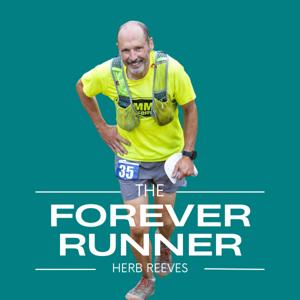


Run Smarter After 50: Beat Burnout by Managing Stress, Not Your Knees
Herb explains why some runners keep thriving into their 70s while others quit by 50, arguing the biggest factor is how the brain handles stress rather than knees, genetics, or age. Drawing on eight years coaching older runners, 80+ ultramarathons, and surviving two heart attacks, the speaker contrasts extrinsic motivation (pace, group status, Strava, PRs) with intrinsic motivation (love of running) and says identity-driven, data-tied running can make a bad run feel like a threat, elevating stress hormones, worsening recovery, and undermining aerobic adaptation. Key tools include holding acceptance and change together (adjust to the day instead of fighting reality), using precise language to name sensations (which calms the amygdala), and a quick “three-second check” to locate effort, assess danger vs discomfort, and choose a reality-based response. The challenge is one watch-free, data-free run and a pointer to a Zone 2 aerobic base series for older runners.
00:00 Why Runners Quit
01:10 Extrinsic vs Intrinsic
02:35 When Running Feels Threatening
03:55 Stress Hormones and Burnout
04:45 Accept and Adjust
06:05 Name It Precisely
07:44 The Five Second Check
09:30 Weekly Challenge and Wrap Up
P.S. If you are passionate about running, and you don't want to lose that passion, then getting your copy of my new Forever Runner Method book is the right move. Click this link to get yours: https://foreverrunner.com/
Runners over 50: Pain free running without injury with slow running!
Don’t Quit Running After 60: 5 Ways to Keep Going
Herb “the Forever Runner” argues that runners over 60 should keep running because it supports heart and lung health, works major muscles, maintains bone density (especially for older women), can keep knees and ankles healthier with consistent good form, lowers stress hormones, sharpens the brain and balance, and provides community that supports longevity and independence into later decades. He says runners often quit in their 60s due to pain from recurring nagging injuries and frustration from slowing paces, harder runs, and declining race times. To keep running, he recommends five changes: run slower at a low heart rate to build aerobic fitness, use proper form to reduce joint and ligament stress, prioritize recovery instead of plans for younger runners, add 2–3 strength sessions weekly to counter muscle loss, and adopt a mindset focused on the 80-year-old self rather than younger performance. He invites viewers to join the Forever Running Club with age-specific training, coaching calls, and community for $97 per year after a seven-day free trial.
00:00 Never Stop Running
00:40 Benefits After 60
01:41 Why Runners Quit
02:24 Run Smarter Shift
02:46 Five Keys To Keep Going
03:32 Join Forever Running Club
04:12 Final Sendoff
P.S. If you are passionate about running, and you don't want to lose that passion, then getting your copy of my new Forever Runner Method book is the right move. Click this link to get yours: https://foreverrunner.com/
Runners over 50: Pain free running without injury with slow running!
In this episode, Herb explains that low heart rate training only works when built on consistent running over months and years, especially for runners over 50. Drawing on his experience (80+ ultramarathons, three heart attacks, and nearly 10 years coaching), he emphasizes frequency, duration, and intensity, recommending easy, comfortable running and noting progress comes in months, not weeks. He advises choosing a realistic weekly schedule—typically three, four, or five days—that you can maintain even during stressful weeks, using fixed run days to remove daily decision-making. On difficult days, a short 20-minute easy run still counts, and missed runs shouldn’t be made up; just resume the next scheduled day. Example weeks show all runs kept easy, with harder work added later after a solid base.
00:00 Why Consistency Wins
00:56 Low Heart Rate Basics
02:29 Herb’s Comeback Story
03:06 Stop Chasing Perfect Plans
03:31 Choose Your Weekly Days
04:32 Coaching Community Invite
05:04 Make the Schedule Stick
06:32 Sample 3-5 Day Weeks
07:49 What Changes Over Months
08:54 Final Takeaway and Wrap
P.S. If you are passionate about running, and you don't want to lose that passion, then getting your copy of my new Forever Runner Method book is the right move. Click this link to get yours: https://foreverrunner.com/
Runners over 50: Pain free running without injury with slow running!
Coaxch Herb shares what he learned after starting a beta blocker, emphasizing he is not a doctor and runners should follow their cardiologist’s guidance. He answers five common questions for runners over 50: you can generally keep running once medically cleared; heart rate will be lower at rest and during exercise (often 20–30%), so old training zones won’t apply; runs may feel harder at the same pace at first because perceived exertion rises, though adaptation often occurs after a couple weeks; performance can slow due to a 5–15% VO2 max reduction, but most easy aerobic training is less affected and longevity matters; and never skip or stop doses to run better because rebound spikes in heart rate/blood pressure can be dangerous—discuss medication adjustments only with a cardiologist.
00:00 Beta Blocker Worries
00:25 Coach Disclaimer
00:50 Runner Backstory
01:20 Can You Still Run
02:19 Heart Rate Drops
03:45 Runs Feel Harder
05:08 Slower and Less Fit
06:35 Never Skip a Dose
07:39 Wrap Up and Next Steps
P.S. If you are passionate about running, and you don't want to lose that passion, then getting your copy of my new Forever Runner Method book is the right move. Click this link to get yours: https://foreverrunner.com/
Runners over 50: Pain free running without injury with slow running!
Is the Forever Runner Method Right for Runners Over 60?
The video explains why most training plans don’t fit runners over 60 and outlines the Forever Runner method, a nine-step framework built on aerobic base building, strength and mobility, and structured recovery to reduce the injury cycle. The host, who returned to ultras after two heart attacks, describes age-related changes (VO2 max decline, muscle loss, less-stiff tendons, reduced bone density, slower recovery) and critiques generic plans for excessive intensity and insufficient recovery. Key tools include the MAF heart-rate ceiling (180 minus age), the “minimum viable pace” to stay consistent even if it requires slowing down, and a built-in deload every fourth week cutting mileage 40–50%. Strength work (lunges, planks, calf raises) and gait correction are emphasized, with supporting research and a sample 6–8 week on-ramp. The video invites viewers to join the Forever Running Club.
00:00 Forever Runner Question
00:46 Method Overview
01:49 Aging Body Changes
03:23 Why Plans Fail
04:51 Aerobic Engine MAF
06:33 Recovery Reset Weeks
07:23 Club Invitation
08:00 Strength Mobility Pillar
09:04 Science Evidence Check
10:34 Six Week On Ramp
12:19 Is It Right For You
13:22 Final Join The Club
P.S. If you are passionate about running, and you don't want to lose that passion, then getting your copy of my new Forever Runner Method book is the right move. Click this link to get yours: https://foreverrunner.com/
Runners over 50: Pain free running without injury with slow running!
Over 50 and Hurting on Runs? How Two Runners Got Faster and Pain-Free by Slowing Down
Coach Herb shares how two students over 50, Sherry and Greg, went from painful running to faster, easier, pain-free runs. Sherry sought a coach who understood her age and, after a little over a month, reported effortless running, about a minute per mile faster, and no pain during or after runs, regaining enjoyment. Greg, who had chased a “cruising on skates” feeling for 15 years and felt “broken” even in his prime, now runs without that sensation and regained joy, helped by accountability. The coach explains they improved by rebuilding aerobic base with MAF heart-rate training (180 minus age ceiling), slowing down to reduce fatigue and pain, and adding short sprints every 10–14 days. He invites viewers to join the Forever Running Club and share the video with runners over 50.
00:00 Over 50 Running Wins
00:27 Coach Background
00:51 Sherry Pain Free Speed
02:20 Quick Viewer Check In
02:35 Greg Stops Feeling Broken
04:31 Join Forever Running Club
04:53 Why Easy Works
05:52 MAF Heart Rate Method
06:47 Slow Not Soft
07:24 Wrap Up Next Steps
P.S. If you are passionate about running, and you don't want to lose that passion, then getting your copy of my new Forever Runner Method book is the right move. Click this link to get yours: https://foreverrunner.com/
Runners over 50: Pain free running without injury with slow running!
Reverse Maffetone: The Low-Heart-Rate Fix for Runners Over 50 Who Keep Having to Walk
Coach Herb explains why many runners over 50 struggle with strict Maffetone (MAF) training—often having to stop and walk to keep heart rate under the 180-minus-age cap (typically 115–125 bpm)—and presents a less frustrating approach called “Reverse MAF.” The coach, who has survived two heart attacks, run 80+ ultramarathons, and coached older runners for 10+ years, says older runners fail because they can’t run efficiently slow, are carb-dependent, lack consistency, and expect quick results. Reverse MAF flips the process by holding a comfortable “minimum viable pace” first and working to lower heart rate at that pace, then transitioning to strict MAF once ready. Four steps include setting minimum viable pace, doing gait analysis to improve efficiency, committing to a realistic weekly schedule, and using a heart rate drift test after building to 45 minutes easy.
00:00 Why MAF Feels Impossible
01:13 My First MAF Failure
02:03 MAF Method Basics
03:13 Why Older Runners Quit
04:37 Four Common Struggles
06:13 Think Long Term
06:46 Reverse MAF Explained
08:22 Four Reverse MAF Steps
10:25 Results and Patience
12:05 Purists and Final Advice
13:02 Wrap Up and Next Video
P.S. If you are passionate about running, and you don't want to lose that passion, then getting your copy of my new Forever Runner Method book is the right move. Click this link to get yours: https://foreverrunner.com/
Runners over 50: Pain free running without injury with slow running!
Stop the Gray Zone: How Runners Over 50 Can Get Faster, Leaner, and Injury-Free
A 73-year-old runner and coach with 50+ ultramarathons and two heart attacks explains why many runners slow down, gain belly fat, and get injured after 50 by responding to decline with harder training. He argues that this approach overuses the anaerobic, sugar-burning system and creates “junk miles” in the medium-hard “Gray Zone,” which builds fatigue without improving fitness and can lead to aerobic deficiency syndrome (ADS), where the aerobic, fat-burning system remains underdeveloped. Because recovery and tissue repair slow with age, gray-zone training increases stress, impairs fat burning, and raises injury risk, creating a cycle of setbacks. The recommended solution is mostly very easy, conversational running to rebuild aerobic capacity plus a small, clearly defined portion of truly hard work so hard days can be hard and easy days easy. He teases a next video on a single heart-rate number (“The Maffetone Fix”).
00:00 Why Running Gets Harder
00:31 My Story After 50
01:10 The Push Harder Trap
01:59 Aerobic vs Anaerobic
03:11 Junk Miles Gray Zone
04:09 Aerobic Deficiency ADS
04:44 Belly Fat Connection
05:28 Injury Spiral After 50
06:33 Train With Your Age
07:11 Payoff of Easy Running
07:45 Next Step Maffetone Fix
P.S. If you are passionate about running, and you don't want to lose that passion, then getting your copy of my new Forever Runner Method book is the right move. Click this link to get yours: https://foreverrunner.com/
Runners over 50: Pain free running without injury with slow running!
3 Reasons to Cut Back on Alcohol for Better Running Recovery After 50
In episode 51 of the Forever Runner Podcast, host Herb Reeves explains how he cut back on alcohol after noticing Garmin data showing higher resting heart rate, lower recovery scores, and harder runs following a couple of beers, especially after turning 70. He argues that after 50, recovery—not training—is the key to longevity, and alcohol quietly interferes in three ways: it reduces muscle protein synthesis and steals the post-run repair window; it impairs the next run by slowing glycogen refueling and worsening hydration, often raising heart rate; and it disrupts sleep quality, the most powerful recovery tool, adding stress that can degrade performance. Reeves now often chooses non-alcoholic beer and challenges runners over 50 to experiment by skipping post-long-run alcohol, using protein and hydration, and tracking sleep and resting heart rate.
00:00 Beer At The Finish
01:13 Data Changed My Mind
02:27 Recovery Window Stolen
03:57 Next Run Fallout
05:25 Sleep Gets Wrecked
06:54 My New Approach
07:40 Try A Simple Experiment
08:25 Protect Recovery Long Term
08:43 Comments And Wrap Up
P.S. If you are passionate about running, and you don't want to lose that passion, then getting your copy of my new Forever Runner Method book is the right move. Click this link to get yours: https://foreverrunner.com/
Runners over 50: Pain free running without injury with slow running!
Three Lessons From a Heart Attack and Vertigo for Older Runners
Herb, host of the Forever Runner podcast, shares three lessons from having a heart attack as an ultra runner that are helping him cope with a new medical issue: vestibular neuronitis, which caused sudden vertigo about eight months ago and still affects his balance, limiting him to short runs with walk breaks and prompting him to enter a local five-miler instead of the marathon.
Lesson one, “you’re not done yet,” came after his first heart attack at 50 when running a marathon and joining a Hood to Coast relay team of 12 open-heart surgery survivors led him into ultra racing and keeps him from writing himself off while grounded by vertigo.
Lesson two is to stay in the moment and work the problem daily.
Lesson three is that it doesn’t always get worse, illustrated by recovering mid-race after stomach trouble at a 100-miler.
00:00 Older Runner Reality Check
00:50 Vertigo Hits Outta Nowhere
01:39 Race Day Reset at the 5-Miler
02:21 Lesson One Not Done Yet
03:40 Lesson Two Work the Problem
04:55 Lesson Three It Can Turn Around
06:20 Putting It All Together
07:01 Final Thoughts and Next Steps
P.S. If you are passionate about running, and you don't want to lose that passion, then getting your copy of my new Forever Runner Method book is the right move. Click this link to get yours: https://foreverrunner.com/
Runners over 50: Pain free running without injury with slow running!
From the publisher's feed
This show for runners in their 50's, 60's & 70's who want to learn how to leverage their running to increase their independence, freedom and vitality as they age. Pain free running without…