
Sign up to save your podcasts
Or

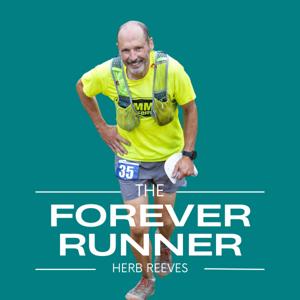


How Often Should Runners Over 50 Run? Start With Intensity, Then Duration, Then Frequency
In episode 49 of the Forever Runner Podcast, host Herb Reeves says most runners over 50 get injured because they start by asking how often to run, when frequency should be the third decision after intensity and duration. He shares Arthur Lydiard’s 1950s aerobic training approach—running a lot but slow—which helped produce Olympic medalists and influenced modern training. Reeves argues older runners fail by running too hard, so most runs should feel easy with controlled heart rate and conversational effort to rebuild the aerobic system. For duration, he recommends focusing on time, with 30–45 minutes per run as a sweet spot, keeping long runs under two hours unless training for longer events. Frequency then depends on goals: 2–3 runs weekly for maintenance, 4–5 to build fitness, and daily only if truly easy, with 1–2 rest days scheduled.
00:00 Wrong Question Trap
00:39 Lydiard Training Story
01:59 Intensity Comes First
03:00 Dial In Duration
03:56 Choose Weekly Frequency
04:40 Put It Together
04:59 Recover to Run Forever
05:31 Book and Sign Off
P.S. If you are passionate about running, and you don't want to lose that passion, then getting your copy of my new Forever Runner Method book is the right move. Click this link to get yours: https://foreverrunner.com/
Runners over 50: Pain free running without injury with slow running!
The Forever Runner Method: Smarter Running After 50
Host Herb Reeves argues that most running advice is built for younger bodies and can lead runners over 50 to get slower, more fatigued, and injured. He shares his own experience as a sponsored ultra runner whose heart nearly stopped twice, leading him to adopt low heart rate training and develop the Forever Runner method.
He explains three key problems for older runners: aerobic systems respond differently (with heart rate spikes and “aerobic deficiency” worsened by inaccurate formulas like 220 minus age), metabolism changes (overreliance on carbs keeps runners stuck burning sugar instead of building fat-burning flexibility), and recovery takes longer (making rest, strength, mobility, sleep, and truly easy days essential). He outlines a three-stage framework: build the aerobic base with optimal heart rate, fuel for fat burning and stable energy, and prioritize strength and recovery to run injury-free long term.
00:00 Running After 50 Myth
00:44 Survival To Smarter Training
01:56 Aerobic System Reset
03:12 Metabolism And Fuel Shift
04:15 Recovery Becomes Training
05:12 Forever Runner Three Stages
05:55 Better System Not Effort
06:34 Start Your Forever Runner Journey
P.S. If you are passionate about running, and you don't want to lose that passion, then getting your copy of my new Forever Runner Method book is the right move. Click this link to get yours: https://foreverrunner.com/
Runners over 50: Pain free running without injury with slow running!
In episode 47 of the Forever Runner Podcast, host Herb Reeves explains that many runners who can’t stay in low heart-rate zones may be limited by low cadence and overstriding rather than poor fitness.
He describes discovering his own form issues during low heart-rate training and adopting the Pose method—upright posture, foot landing under the body, and short, quick steps.
Reeves gives three reasons to raise cadence: it reduces joint pounding and braking forces (citing a University of Wisconsin finding that a 10% cadence increase cut hip and knee loading by over 20%), it improves running economy to make Zone 2/low heart-rate running possible (referencing research by Jonathan Foland and Dr. Peter Attia’s Zone 2 emphasis), and it can extend running longevity, supported by a long Stanford study of runners over 50.
He outlines an “eight-minute cadence reset” drill sequence and recommends gradually increasing cadence in small weekly steps using a metronome.
00:00 Heart Rate Spikes Fast
00:37 My Low HR Struggle
02:19 Reason 1 Save Your Joints
04:15 Reason 2 Unlock Zone 2
06:32 Reason 3 Run for Decades
08:21 Fix Cadence Pose Basics
10:04 Eight Minute Cadence Reset
12:07 Progress Slowly and Stick
12:55 Wrap Up and Next Steps
P.S. If you are passionate about running, and you don't want to lose that passion, then getting your copy of my new Forever Runner Method book is the right move. Click this link to get yours: https://foreverrunner.com/
Runners over 50: Pain free running without injury with slow running!
3 Reasons Older Runners Need Age-Appropriate Training
Host Herb Reeves explains why runners over 50 should avoid generic training plans and use age-appropriate methods to keep running for life.
He gives three reasons: (1) generic plans can destroy the aerobic base in older runners by stacking hard efforts too often, contributing to aerobic deficiency syndrome; he recommends low heart-rate training using Dr. Phil Maffetone’s 180-minus-age guideline and slowing or walking when heart rate rises. (2) generic plans ignore longer recovery needs after 60, where recovery may take days; he suggests a reduced-load recovery week every fourth week and monitoring waking heart rate for signs of under-recovery. (3) race-focused plans prioritize short-term events over long-term durability, increasing cumulative overuse injury risk; the
Forever Runner Method emphasizes months of base building plus strength and mobility, measuring progress in years. He invites listeners to get his book at foreverrunnermethod.com.
00:00 Why Older Runners Struggle
00:35 Age Appropriate Training
01:27 Protect Your Aerobic Base
03:26 Low Heart Rate Fix
04:38 Recovery Is Training
06:33 Build Recovery Weeks
07:09 Think Beyond Next Race
09:11 Forever Runner Method
10:03 Quick Summary And Next Steps
11:22 Get The Book
12:00 Final Sendoff
P.S. If you are passionate about running, and you don't want to lose that passion, then getting your copy of my new Forever Runner Method book is the right move. Click this link to get yours: https://foreverrunner.com/
Runners over 50: Pain free running without injury with slow running!
The MVP Method: How Older Runners Can Start Zone 2 Training Without Walk Breaks
Herb describes struggling with Zone 2/Maffetone training at age 62, shuffling so slowly that walkers passed and needing walk breaks to keep heart rate low. He compares the Maffetone formula (180 minus age, with an added 10 over 60) to a Zone 2 calculator using known max heart rate (185 from a medical treadmill test) and resting heart rate (about 42), which produced a Zone 2 range of roughly 128–143 bpm, but still felt unclear. He develops a “minimum viable pace” (MVP) by running 1–3 miles at the slowest sustainable pace without checking his watch, then noting a consistent heart rate (132 bpm) at about 10:30/mile. By holding MVP pace, his heart rate drops over weeks, allowing a later return to standard Maffetone training, and he outlines doing frequent easy runs for consistency.
00:00 Zone Two Struggle Story
00:41 Maffetone Formula Limits
01:30 Zone Two Calculator Approach
03:06 Stop Chasing Formulas
03:28 Finding Your MVP Pace
04:39 Results and Progression
05:52 MVP Program Steps
06:54 Consistency Builds Aerobic Base
07:47 Forever Runner Wrap Up
P.S. If you are passionate about running, and you don't want to lose that passion, then getting your copy of my new Forever Runner Method book is the right move. Click this link to get yours: https://foreverrunner.com/
Runners over 50: Pain free running without injury with slow running!
In Forever Runner Podcast episode 44, host Herb Reeves explains what VO2 max is, why it’s widely promoted as a longevity and fitness metric, and why older runners shouldn’t train specifically to maximize it.
He argues that high VO2 max doesn’t necessarily translate to faster race times because it doesn’t reflect running economy or recovery, that VO2-max-focused workouts are highly taxing and increase fatigue, overtraining, and injury risk, and that genetics heavily limit how much VO2 max can improve.
Instead of brutal sprint sessions, he recommends improving VO2 max indirectly by building an aerobic base and managing weight, offering simple checks using heart rate (under 130 bpm) and waist-to-height ratio, and pointing to his Forever Runner Method book and free club for guidance.
00:00 VO2 Max Hype
00:35 What VO2 Max Means
01:36 Why Chasing It Fails
02:01 Reason One Speed Myth
02:33 Reason Two Recovery Cost
03:07 Reason Three Genetics Limit
03:29 Smarter Ways To Improve
03:56 Quick Self Checks
04:36 Get The Free Method
05:04 Wrap Up And Comments
P.S. If you are passionate about running, and you don't want to lose that passion, then getting your copy of my new Forever Runner Method book is the right move. Click this link to get yours: https://foreverrunner.com/
Runners over 50: Pain free running without injury with slow running!
5 Benefits of Trail Running for Older Runners
In episode 43 of the Forever Runner Podcast, host Herb Reeves urges older runners to try trail running and shares how a post–heart attack phone call to race director John Pearch led to 20+ years of trail and ultra running, including community leadership. He explains that road running can create repetitive movement patterns that neglect stabilizing muscles, increasing injury risk, and then outlines five benefits of trail running: varied terrain that builds balance and neuromuscular coordination; a slower pace with natural walk breaks that reduces joint stress and allows longer outings; hills that develop strength and stamina and can improve road performance; inspiring scenery that shifts focus from PRs to experiences; and supportive trail buddies and community, which he links to longevity. He invites listeners to comment and join the free Forever Running Club.
00:00 Trail Running Benefits Intro
00:22 Heart Attack to Trails
02:54 Road Running Limitations
04:45 Five Reasons Overview
05:00 Benefit 1 Varied Terrain
05:57 Benefit 2 Walk Breaks
06:51 Benefit 3 Hills Strength
07:37 Benefit 4 Scenic Views
08:23 Benefit 5 Trail Community
09:13 Start Now Closing
P.S. If you are passionate about running, and you don't want to lose that passion, then getting your copy of my new Forever Runner Method book is the right move. Click this link to get yours: https://foreverrunner.com/
Runners over 50: Pain free running without injury with slow running!
Slow Jogging: The Fastest Way for Runners Over 50 to Get Faster
In episode 42 of the Forever Runner Podcast, host Herb explains that for runners over 50, running getting harder is often due to poor form—especially overstriding and heel striking—not aging, and that low heart rate training feels frustrating because many people haven’t learned how to truly run slow. After a heart attack and struggling to stay under his Maffetone heart rate, Reeves discovered slow jogging (Nico Nico), an upright style with short, quick steps landing under the center of gravity. He outlines five benefits of slow jogging: improved aerobic capacity, increased fat burning, reduced injury risk, better recovery, and faster running later, sharing his own improvement of about one minute per mile in 90 days. He gives three steps to start slow jogging(run in place, target ~90 steps/min per leg, lean forward at the ankles) and describes what progress feels like over 12 weeks.
00:00 Running Over 50 Struggles
00:28 Heart Attack Wake Up Call
01:10 Overstriding Slows You Down
02:35 What Is Slow Jogging
03:44 Five Key Benefits of slow jogging
05:48 Why It Feels Wrong
06:40 Three Steps To Start slow jogging
08:02 What Progress Feels Like
09:23 Try It And Join Club
P.S. If you are passionate about running, and you don't want to lose that passion, then getting your copy of my new Forever Runner Method book is the right move. Click this link to get yours: https://foreverrunner.com/
Runners over 50: Pain free running without injury with slow running!
Discover Your Why: The Five Whys Exercise to Stay Motivated to Run
In episode 41 of the Forever Runner Podcast, host Herb addresses runners who struggle with motivation and make excuses to skip runs, warning that this pattern can lead to quitting. He shares how two heart procedures and a vertigo attack nearly caused him to stop running, but he kept going by discovering his “why.” Drawing on Lean productivity principles from his former government job, he explains the “five whys” method to uncover the root cause of why you run: write “Why do I run?” and ask “why” five times to drill down to a core motivator. Reeves’ own fifth why was being healthy enough to be there for his granddaughter at 90, shifting his focus from awards to staying present and capable. He suggests keeping a picture of your person, place, or dream as a reminder.
00:00 Motivation Struggles
00:32 My Health Setbacks
01:04 Discover Your Why
01:21 The Five Whys Method
02:09 How To Do It
02:40 Example Five Whys
04:35 My Core Why
05:29 Make It Visual
05:47 Final Challenge
P.S. If you are passionate about running, and you don't want to lose that passion, then getting your copy of my new Forever Runner Method book is the right move. Click this link to get yours: https://foreverrunner.com/
Runners over 50: Pain free running without injury with slow running!
In this episode, Herb explains how many runners over 50 slow down due to aerobic deficiency syndrome (ADS), caused by overreliance on anaerobic training that burns sugar and produces lactic acid, leading to pain, fatigue, and plateaus. He contrasts this with the aerobic system, which is fueled by fat, has no byproducts, and can burn lactic acid. Herb shares his own experience discovering his “easy” runs were at 135–145 bpm and offers a simple self-test: if a comfortable run averages under 130 bpm, aerobic fitness is likely decent; consistently above 130 bpm suggests ADS. The fix is months of running at or below maximum aerobic heart rate, estimated by the Maffetone formula (180 minus age) or personalized by avoiding late-run heart-rate drift. He invites viewers to join his free Forever Running Club and comment about their easy-run heart rate.
00:00 Why Running Gets Harder
00:23 My Aerobic Deficiency Wakeup
01:31 Aerobic vs Anaerobic Explained
03:39 The Simple Heart Rate Test
05:08 How to Fix It
05:31 MAF Formula and Heart Rate Drift
06:40 Running Slower to Get Faster
07:12 Join the Forever Running Club
07:50 Your Results and Wrap Up
P.S. If you are passionate about running, and you don't want to lose that passion, then getting your copy of my new Forever Runner Method book is the right move. Click this link to get yours: https://foreverrunner.com/
Runners over 50: Pain free running without injury with slow running!
From the publisher's feed
This show for runners in their 50's, 60's & 70's who want to learn how to leverage their running to increase their independence, freedom and vitality as they age. Pain free running without…