
Sign up to save your podcasts
Or

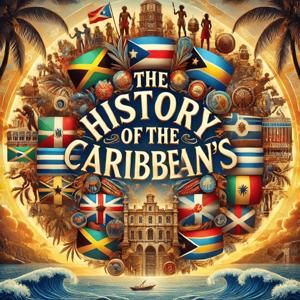


This episode traces the long build of pressure that shaped modern Cuba before the moment the world remembers. From the end of Spanish rule to the fall of Batista, the story follows how limited sovereignty, economic control, political violence, and blocked reform created a system that could not release tension peacefully. Independence existed, but it was conditional. Elections existed, but power lived elsewhere. As legal paths narrowed, force replaced trust, and stability became an excuse rather than a solution. This is the history beneath the headline revolution. The one that formed it.
This episode examines Haiti’s revolution from uprising to aftermath, and the price imposed for winning it. It traces how the world’s richest slave colony collapsed under an organized revolt, how independence was achieved against global powers, and how that victory triggered isolation, debt, and intervention. The story follows Haiti beyond eighteen zero four, showing how punishment replaced chains, and how freedom itself became something the world demanded Haiti pay for. This is a country history focused on systems, consequences, and endurance, not myth or celebration.
This episode traces Jamaica’s transformation from a violently engineered plantation colony into one of the most influential cultural forces on the planet. It examines how sugar, slavery, and colonial control shaped the island’s foundations, how resistance and survival strategies emerged under constant pressure, and how freedom arrived without power. Moving through rebellion, emancipation, crown rule, independence, and global migration, the episode shows how Jamaicans turned endurance into identity. This is not a celebration piece. It is a grounded examination of how a small island, built to be exploited, learned to speak back to the world and reshape global culture while still wrestling with the unfinished consequences of its past.
Why the Caribbean Still Matters Globally challenges the idea that the region is small, peripheral, or finished with history. From the nineteen hundreds to the present, this episode traces how Caribbean identity, labor, culture, and political experience have shaped global systems far beyond the islands themselves. It examines how the region moved from plantation economies into migration pipelines, cultural influence, and strategic relevance, often without gaining equal power or protection. This is not a celebration piece. It is a clear-eyed examination of why the Caribbean remains central to global politics, economics, culture, and crisis, and why that relevance continues to be contested rather than respected.
This episode examines the moment after celebration, when independence moved from promise to practice. Focusing on Jamaica, Trinidad, and Barbados between the nineteen fifties and nineteen seventies, it traces how political freedom arrived without economic control. Through governance choices, inherited systems, and rising public pressure, the episode exposes why hope faded so quickly and how early failures reshaped trust between citizens and the state. This is not a story of lost independence, but of expectations colliding with reality, and the long shadow that collision cast over Caribbean political life.
This episode traces the Caribbean’s entry into the twentieth century as a period of awakening rather than arrival. Between nineteen hundred and nineteen thirty nine, the region remains under colonial rule, but belief in the permanence of that rule begins to fracture. Old plantation systems adapt instead of disappearing. New industries rise without shifting power. Education expands without liberation. War, migration, economic collapse, and labor unrest combine to force awareness across islands once kept separate. The episode examines how pressure builds, how voices emerge, and how the nineteen thirties labor rebellions mark a turning point in regional consciousness. This is the story of a people who do not yet win freedom, but who learn they are not powerless.
Colonial Borders and Manufactured Nations examines how the Caribbean was divided by imperial design and forced to inherit those divisions at independence. This episode traces how European empires drew borders for control, not community, then shows how those lines hardened into political identities that reshaped movement, culture, and power. It explores how administration became identity, how fragmentation was normalized, and how independence arrived inside systems never meant to serve Caribbean unity. This is a grounded examination of how borders outlived empire and continue to shape vulnerability, rivalry, and weakened collective strength across the region.
This episode examines how Caribbean identity formed in the century after emancipation, not through celebration or declaration, but through survival. It traces how formerly enslaved people and indentured communities navigated economic control, racial division, and constant surveillance while quietly building shared ways of living. Language, food, family structure, faith, and daily practice become the focus, showing how identity emerged outside official approval. The episode treats culture as a survival system shaped by pressure, adaptation, and memory, revealing how a distinctly Caribbean way of being took form before nations, flags, or independence movements existed.
This episode examines emancipation in the British Caribbean after eighteen thirty four and exposes the gap between freedom declared and power denied. Slavery ended on paper, but control over land, labor, law, and wealth remained firmly in colonial hands. Through apprenticeship, wage suppression, land restriction, and imported indentured labor, the empire preserved plantation dominance while presenting emancipation as moral progress. The episode traces how freedom was managed, delayed, and reshaped to protect imperial interests, leaving generations legally free but structurally trapped. This is a story of betrayal built into law, economy, and governance, and of how that betrayal became the foundation of modern Caribbean inequality.
This episode examines the hidden wars that came before emancipation in the Caribbean. Long before abolition laws or imperial reforms, enslaved Africans resisted through escape, strategy, and sustained warfare. Across Jamaica, Suriname, and Haiti, Maroons and rebel communities built independent societies, fought colonial forces, and forced empires into retreat, negotiation, or collapse. This is the story of freedom taken under fire, not granted by decree.
From the publisher's feed

4,757 Listeners

111,767 Listeners

56,395 Listeners

16,318 Listeners

236 Listeners

78 Listeners

143 Listeners

67 Listeners

358 Listeners

8,478 Listeners

93 Listeners