
Sign up to save your podcasts
Or

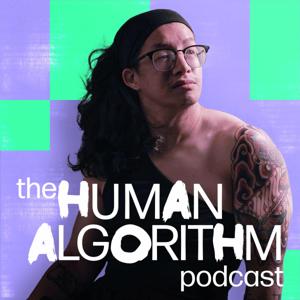


In this episode of The Human Algorithm podcast, I sit down with Leow Yangfa, Executive Director of Oogachaga, for a profound conversation about visibility, vulnerability, and the quiet labour of building belonging in Singapore’s LGBTQIA+ community.
For over two decades, Yangfa has worked across suicide prevention, public service, and LGBTQIA+ advocacy. But his story is not one of loud activism, it is one of steadfast service. From support groups in living rooms to a full-fledged counselling agency, Oogachaga has grown under his leadership into a vital safe space for queer Singaporeans navigating trauma, identity, and healing.
Together, we reflect on what it means to lead a movement with care. Yangfa opens up about the emotional toll of advocacy, the bittersweet progress of the queer movement in Singapore, and the complex dance between being visible and staying safe. He shares how collaborations like the Revolut Diversity Card, now in its third year, represent more than just branding; they are lifelines, built on months of trust, intention, and backchannel planning.
We also talk about elephants, chosen families, and the power of queer joy, how even in a world rife with discrimination and threats, joy becomes a form of resistance. Yangfa reminds us that behind every rainbow flag is not just pride, but the hard-won right to be visible without shame.
In this episode, we discuss:
— How Oogachaga began as a lifeline for survivors of conversion therapy— Why visibility must always be accompanied by safety— The unspoken emotional labour of queer leadership— What it means to hold space for grief and joy at the same time— The hope (and heartbreak) that comes from working with queer youth today— How chosen family, elephants, and golden retrievers keep Yangfa grounded
If you have ever felt the tension between being true to yourself and staying safe… if you have ever wondered whether quiet leadership matters… or if you are looking for a reminder that queer joy is not a luxury, but a birthright, this episode is for you.
Oogachaga is more than an organisation, it is a living archive of community care, built on the backs of those who came before. As Yangfa says, “I may be small in stature, but I stand tall on the shoulders of giants.”
Support their work by donating a minimum of S$10 in the Revolut app to receive this year’s rainbow-themed Diversity Card. Every dollar goes directly to providing professional counselling and support services for LGBTQIA+ individuals in Singapore.
This Pride Month, let's sustain and not just celebrate.
Human Algorithm is a reader-supported publication. To receive new posts and support my work, consider becoming a free or paid subscriber.
I never thought I would be the person telling brands how to appear more human on LinkedIn, but on 13 March, that is precisely what happened.
I was on stage with LinkedIn and VaynerMedia, speaking about storytelling, authenticity, and how creators like me reshape how brands build trust, not with polish or perfection, but with personality.
And here is what I told them:
Brands must stop hiding behind logos and show the people behind the scenes. We connect with faces, not corporate speak. If you want your brand to be trusted, start spotlighting your team like your writers, engineers, creators, and founders. Don’t just talk about culture; show it.
Take Morning Brew. I love how their journalists show up on LinkedIn and TikTok, breaking down complex news through hilarious skits. That is not “entertainment for entertainment’s sake” brand building through human storytelling.
I also shared how I practice what I preach. I’ve been cutting up short clips from my podcast and sharing the most real, raw moments on LinkedIn. One clip hit over half a million views, the highest I have ever gotten, not because it was perfect, but because it was real.
That’s the power of short-form video right now on LinkedIn. You don’t need Duolingo-level memes. You need eye contact. Emotion. Story. You cannot hide on video, which is precisely why it works.
And for the brands wondering how to work with creators like me?
Here is my rule: I will not promote anything and will not use it myself. If I have not tested your product or service, I am not putting my name behind it. I’ve built a brand around vulnerability and honesty. If I suddenly post something off-brand, my audience will feel it, and so will I.
I also reminded the room that authenticity is not a strategy but a stance. It is not a gimmick for engagement. It is about telling the truth, even when it is messy. Like the CEO of Chocolate Finance did recently, he owned up to mistakes in a vulnerable LinkedIn post, and it resonated far beyond any polished PR response could have.
When the Q&A rolled around, someone asked me: Where is the line between vulnerability and oversharing?
Here is what I said: Talk about the human struggles people are already whispering about, such as burnout, mental health, and remote work tension. If you name it, you build trust. But do it with intention, not pity. Share to serve.
The biggest misconception about LinkedIn is that it is still a place for job seekers and suits only. It is not. It is the most underrated platform for thought leadership and storytelling, especially in B2B. But only if you’re willing to show up as more than a headline or a product.
So, whether you are a brand, a founder, or just someone figuring it out like I am, remember this: Every post is a chance to connect. Every video is a chance to be real. Every story is a chance to build something that lasts longer than a like.
This is the new LinkedIn.
And we are just getting started.
Human Algorithm is a reader-supported publication. To receive new posts and support my work, consider becoming a free or paid subscriber.
At Brainlabs’ “Marketing to Algorithms: The Trends Your CEO Will Actually Care About in 2025, sponsored by LinkedIn, I spoke about the urgent shifts in content, influence, and storytelling.
On the panel with me was Adelise Ashdown, Global Head of Brand and Client Experience, JLL, Su-Ren Neo, Group Head of Marketing & Director, LinkedIn Asia Pacific and Seema Punwani, Partner, R3.
Marketing is no longer just about brand awareness. It is now a leadership strategy. The best CEOs approve marketing budgets and actively shape their company’s brand narrative through content creation.
Storytelling is no longer optional. If your brand does not have a compelling story, someone else will tell it for you.
Short-form video and creator-led marketing dominate, yet most brands are not adapting quickly enough. Internal creators, like CEOs, employees, and thought leaders, outperform traditional ads because audiences trust individuals more than faceless corporations.
Read the full article here.
Human Algorithm is a reader-supported publication. To receive new posts and support my work, consider becoming a free or paid subscriber.
What does it mean to grow up queer in a society that often demands conformity?
To kick off the inaugural season of The Human Algorithm Podcast, I share my journey of navigating identity, acceptance, and self-discovery in Singapore's conservative landscape.
This episode is unique because I answered questions that were sent in anonymously by you, the audience.
Putting the questions to me is Yan Yi Chee, a legend in the advertising industry. She is the former general manager at BBH Asia Pacific and spent more than a decade at Ogilvy, where she last held the position of managing partner. She is now a development coach and thought partner at Matter, Inc.
From the challenges of finding gender-neutral spaces to confronting societal expectations, I open up about the struggles I faced while embracing my true self in a culture that often values tradition over diversity.
This episode explores the intersection of identity and belonging, the impact of cultural norms on personal growth, and how I found strength through authenticity and community.
Tune in to hear:
* The reality of living as a gender-fluid individual in a conservative society
* The importance of representation and safe spaces for the LGBTQIA+ community
* How breaking gender norms can lead to personal and professional empowerment
* Practical steps towards fostering inclusion in workplaces and beyond
Whether part of the LGBTQIA+ community, an ally, or simply curious to learn, this episode offers a raw, honest, and inspiring conversation on identity, resilience, and the fight for belonging.
What to expect for the rest of Season 1
While this episode is free, the upcoming episodes will only be available to paid subscribers.
If you are already a free subscriber, you must upgrade to become a paying subscriber by pledging to listen to these episodes and other exclusive content coming up.
I will feature exclusive up to 10-minute insights from each episode on YouTube and a teaser into the more significant conversations happening behind the paywall. This will give new audiences a taste of what’s to come, allowing them to engage with thought-provoking content before diving deeper into the whole experience.
Thanks for reading Human Algorithm! Subscribe for free to receive new posts and support my work.