
Sign up to save your podcasts
Or

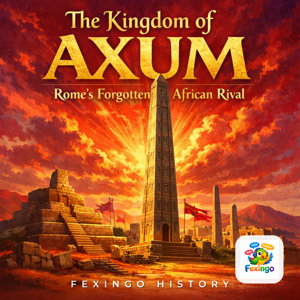


In 523 CE, the Jewish king of Himyar executed a group of Christians in Najran, sparking a conflict that would reshape the Red Sea. King Kaleb of Axum responded not just with military force but with a theological justification for invasion, framing his campaign as divine justice against persecution. This episode explores the Siege of Najran, examining how religious identity became a casus belli between two ancient powers. We look at the accounts of Procopius and Cosmas Indicopleustes to understand the scale of the Axumite intervention, the role of Byzantine support, and the long-term consequences for Christianity in Arabia. The narrative delves into the political maneuvering of the era, where faith and empire were inextricably linked, and asks whether this war was truly about salvation or control of trade routes.
#KingKaleb #Himyar #Najran #Axum #RedSeaEmpire #AncientEthiopia #ReligiousWar #Procopius #CosmasIndicopleustes #ChristianPersecution #JewishYemen #ByzantineAlliance #EastAfricanHistory #AncientTrade #Geopolitics #FexingoHistory #HistoryPodcast #WorldHistory
Keep every episode free: buymeacoffee.com/fexingo
We step away from the trade routes and grain taxes to examine the physical architecture of Aksumite power: the great stelae. Lucas and Luna explore how these towering monoliths, carved from single blocks of granite, served as monumental markers for royal tombs and civic pride. We look at the engineering precision required to quarry and erect stones weighing over three hundred tons, the intricate false-door facades that mimicked multi-story buildings, and the symbolic language of the capitals featuring wheeled disks and crescents. This episode delves into the Great Stele itself—once the tallest in Aksum—and its eventual collapse during the civil wars of the fourteenth century. We discuss what remains today, including the re-erected stele in Piazza阿克苏m, and consider how these silent giants communicate the ambition and religious syncretism of a kingdom that rivaled Rome, Persia, and India. By understanding the stelae, we understand how Aksum projected its authority across the landscape and into the eternal memory of its people.
#Axum #Aksum #EthiopianHistory #Stelae #MonumentumAdulitanum #KingEzana #Ge'ez #AncientAfrica #RedSeaEmpire #GraniteArchitecture #FalseDoors #WheeledDisk #CrescentCapitals #GreatStele #PiazzaAksum #TigrayRegion #PreChristianEthiopia #FexingoHistory
Keep every episode free: buymeacoffee.com/fexingo
While Rome traded in gold and silk, the Kingdom of Axum built its superpower status on a humble crop: teff. In this episode, we explore how one tiny grain became the economic backbone of East Africa’s most powerful empire. We’ll look at the accounts of Cosmas Indicopleustes, who witnessed Axum’s bustling ports and granaries firsthand, and examine how the tax on teff allowed kings like Endubis and Mahrem to fund massive obelisks and a formidable navy. This isn't just about food; it's about how agricultural surplus translated into geopolitical dominance along the Red Sea trade routes. We’ll also discuss the soil conditions of the Ethiopian highlands that made teff uniquely suited for this role, creating a self-sustaining economy that outlasted many of its Mediterranean rivals.
#KingdomOfAxum #TeffGrain #AncientEthiopia #CosmasIndicopleustes #RedSeaTrade #Endubis #Mahrem #AksumiteObelisk #Ge'ezScript #AncientEconomy #EastAfricanHistory #AdulisPort #NegusaNagast #HistoricalAgriculture #IndianOceanTrade #FexingoHistory #HistoryPodcast #LostEmpires
Keep every episode free: buymeacoffee.com/fexingo
While previous episodes explored Axum’s trade networks, currency, and religious transformations, this episode turns its gaze upward to the monumental architecture that defined the city skyline. We examine the Great Stele of Axum, a massive granite monolith originally standing over thirty meters tall, which served as both a royal tomb marker and a symbol of imperial authority. Lucas and Luna discuss the engineering challenges of quarrying and erecting these multi-story structures, the intricate false-door designs that mimic Aksumite palaces, and the mysterious collapse of the largest stele around 300 AD. Through the lens of stone and shadow, we uncover how the Aksumites used verticality to project power across the Red Sea world, connecting their earthly kingship to the divine realm through carved windows, beams, and symbolic representations of rooflines.
#Axum #AksumiteEmpire #GreatStele #AncientEthiopia #Tigray #GraniteArchitecture #MonumentalSculpture #AfricanHistory #RedSeaTrade #Archaeology #KingEzana #FalseDoor #SteleCulture #EastAfrica #AncientEngineering #HeritageSite #HistoryPodcast #FexingoHistory
Keep every episode free: buymeacoffee.com/fexingo
While we have explored Aksum’s stelae, currency, and grain tax, this episode shifts focus to the empire’s most lucrative commodity: silk. Before the Mongol Empire or the Ottoman trade routes dominated, the Kingdom of Aksum sat astride the Indian Ocean trade winds, acting as the critical middleman between China and Rome. We examine how King Kaleb’s naval expedition into Yemen was driven not just by religion, but by a desperate need to control the silk supply chain that flowed through the port of Adulis. Drawing on the accounts of Cosmas Indicopleustes and the Monumentum Adulitanum, we trace the journey of Chinese silk from the Han Dynasty to the Roman Senate, passing through Aksumite hands where it was re-exported at massive markups. This narrative reveals Aksum not merely as a regional power, but as a global economic node whose decline was tied to shifting maritime currents and the rise of Persian intermediaries.
#KingdomOfAksum #AksumiteEmpire #RedSeaTrade #SilkRoadAfrica #IndianOceanTrade #CosmasIndicopleustes #MonumentumAdulitanum #KingKaleb #YemenHistory #HimyariteKingdom #HanDynasty #RomanEmpire #AncientEconomy #EthiopianHistory #TigrayRegion #MaritimeHistory #FexingoHistory #History
Keep every episode free: buymeacoffee.com/fexingo
We explore the Aksumite Empire’s naval dominance in the Red Sea and Indian Ocean trade routes. Lucas and Luna discuss King Kaleb’s intervention in Himyar, the strategic port of Adulis, and how Axum controlled the flow of ivory, gold, and incense. We look at primary sources like Cosmas Indicopleustes and Procopius to understand this forgotten African superpower’s maritime reach.
#Axum #AksumiteEmpire #KingKaleb #RedSeaTrade #Adulis #Himyar #IndianOcean #AncientNavy #CosmasIndicopleustes #Procopius #EastAfricanHistory #MaritimeTrade #AncientEthiopia #Geopolitics #HistoricalNavies #TeffEconomy #Negus #Basileus #FexingoHistory
Keep every episode free: buymeacoffee.com/fexingo
While Rome and Persia vied for control of the Silk Road, the Kingdom of Aksum punched far above its weight class by invading Yemen in 525 CE. This episode explores how King Kaleb launched a naval expedition across the Red Sea to crush the Jewish Himyarite kingdom, installing a Christian governor and securing trade routes. We examine the primary sources like Procopius and Cosmas Indicopleustes that detail this bold military move, the strategic importance of controlling the Bab el-Mandeb strait, and why this intervention ultimately drained Aksum’s resources. Discover how a single campaign shifted the balance of power in the Indian Ocean and set the stage for the later Arab conquests.
#Aksum #KingKaleb #HimyariteKingdom #YemenHistory #RedSeaTrade #ByzantineEmpire #SasanianEmpire #IndianOcean #AncientEthiopia #Procopius #CosmasIndicopleustes #ChristianKingdom #JewishKingdom #NavalWarfare #BabElMandeb #EastAfricaHistory #FexingoHistory #History
Keep every episode free: buymeacoffee.com/fexingo
This episode explores the sudden collapse of the Aksumite Empire in the seventh century, shifting focus from its monumental achievements to its environmental and geopolitical unraveling. We examine how climate change, specifically prolonged droughts that devastated teff agriculture, weakened the state just as Islamic expansion altered Red Sea trade routes. Lucas details the migration of the Zagwe people and the eventual rise of Lalibela, while Luna asks about the survival of Ge'ez and the Orthodox Church through these turbulent centuries.
#Aksum #Axum #EthiopianHistory #EastAfrica #ClimateChange #Drought #Teff #GeEz #OrthodoxChurch #ZagweDynasty #Lalibela #RedSeaTrade #IslamicExpansion #AncientEmpires #AfricanHistory #FexingoHistory #History #Podcast
Keep every episode free: buymeacoffee.com/fexingo
While we often look up at the towering stelae of Aksum, a different kind of monument lies hidden beneath the earth. This episode explores the subterranean architecture of Tigray, where monks carved entire churches out of living volcanic rock in the fifth century. We trace the journey of Frumentius, known as Abba Salama, and how his arrival shifted religious practice from open sanctuaries to enclosed, defensive spaces. Lucas and Luna discuss the engineering feat of digging downward without collapsing the ceiling, the specific liturgical changes that required these cave dwellings, and the enduring legacy of these sacred sites today. You will learn about the Nine Saints who brought monastic traditions from Egypt and Syria, and how their isolation shaped the unique spiritual identity of the Ethiopian Orthodox Tewahedo Church. This is not just about archaeology; it is about the human desire for sanctuary in turbulent times.
#Axum #AksumiteEmpire #Tigray #EthiopianOrthodoxChurch #Frumentius #AbbaSalama #NineSaints #RockHewnChurches #SubterraneanArchitecture #Ge'ezLiterature #EarlyChristianity #RedSeaTrade #AncientAfrica #HistoricalEngineering #MonasticLife #EthiopianHistory #FexingoHistory #History
Keep every episode free: buymeacoffee.com/fexingo
In this episode of The Kingdom of Axum, we explore the environmental collapse that dismantled one of antiquity’s greatest empires. While earlier episodes covered Axum’s trade networks, religious shifts, and monumental architecture, few discuss the silent partner in its rise and fall: the climate. We trace how the Aksumite state thrived on predictable monsoons to harvest teff and wheat, and what happened when those rains became erratic around the seventh century. Lucas walks us through the geological evidence of desertification in the Ethiopian highlands, while Luna helps us understand the human cost of a drying landscape. We examine the shift from centralized imperial control to decentralized mountain communities, the loss of access to Red Sea ports like Adulis due to silting and political fragmentation, and the eventual migration of power southward toward Shewa and later Zagwe. This is not just a story of decline, but of adaptation—how people survived when their agricultural foundation crumbled.
#Aksum #EthiopianHistory #ClimateCollapse #TeffAgriculture #RedSeaTrade #Adulis #Desertification #ZagweDynasty #Shewa #MonsoonPatterns #AncientAfrica #EastAfricanEmpire #GeologicalHistory #MedievalEthiopia #EnvironmentalHistory #FexingoHistory #HistoryPodcast #AxumiteDecline
Keep every episode free: buymeacoffee.com/fexingo
From the publisher's feed