
Sign up to save your podcasts
Or

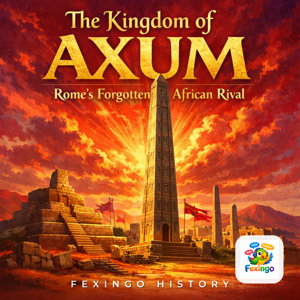


For centuries, the Aksumite Empire stood as a beacon of Christianity in East Africa, its kings ruling from grand stone obelisks and its merchants trading across the Red Sea. But beneath that orthodox veneer lay deep tensions with the diverse populations under Axum’s control, including significant Jewish communities in the southern highlands. This episode explores the volatile reign of Gudit, also known as Yodit, a queen who rose from these marginalized groups to challenge the Solomonic dynasty directly. We examine the fragmented historical records surrounding her military campaigns in the late tenth century, the destruction of royal sites like Yeha, and the controversial legacy she left behind. Was she a liberator fighting against imperial overreach, or a destroyer of civilization? By looking at oral traditions from the Gurage people alongside Byzantine accounts, we piece together a narrative of rebellion, religious conflict, and the eventual fragmentation of the Axumite state into smaller regional kingdoms.
#Gudit #Yodit #AksumiteEmpire #EthiopianHistory #SolomonicDynasty #JewishQueen #Tigray #Yeha #10thCentury #AfricanHistory #OrthodoxChurch #GuragePeople #RoyalNecropolis #RedSeaTrade #FexingoHistory #HistoryPodcast #AncientAfrica #HistoricalRebellion
Keep every episode free: buymeacoffee.com/fexingo
While history remembers Axum through its granite stelae and gold coins, the kingdom’s stability often rested on the shoulders of its royal women. This episode explores the role of queens regnant and powerful consorts who shaped Axumite succession and diplomacy. We examine Queen Gudit, whose mysterious uprising may have shattered the Aksumite dynasty, and the legendary Yodit, whose actions remain shrouded in oral tradition versus written record. Lucas and Luna discuss how Axumite law granted women property rights and political influence, contrasting with contemporary Roman and Persian norms. Through the lens of King Kaleb’s reign and the subsequent fragmentation of the empire, we uncover how female leadership provided both continuity and crisis. The conversation delves into the archaeological evidence of female burials in the Royal Necropolis, the Ge'ez texts that reference royal mothers, and the enduring legacy of these women in Ethiopian Orthodox hagiography. Join us as we piece together the lives of rulers like Queen Eleni and the matriarchs behind the throne, revealing a side of Axum rarely seen in the stone monuments.
#Axum #QueenGudit #Yodit #EthiopianHistory #AksumiteEmpire #RedSeaTrade #AncientAfrica #RoyalNecropolis #GeEezLiterature #KingKaleb #ZagweDynasty #QueenRegnant #AfricanQueens #HistoricalWomen #Ethiopia #TigrayRegion #OrthodoxChurch #History #FexingoHistory
Keep every episode free: buymeacoffee.com/fexingo
By the late fourth century, the Kingdom of Axum stood at the peak of its global influence, commanding trade routes from Rome to India and boasting one of Africa’s first Christian monarchies. Yet beneath the gleaming gold coinage and towering granite stelae lay a fragile political foundation that would soon unravel the empire. This episode explores the turbulent succession crisis following King Ezana’s reign, a period defined by internal fragmentation rather than external conquest. We examine how the division of authority between the central 'Negus' in Aksum and regional warlords in places like Yeha and Matara created a power vacuum. Through analysis of fragmented Ge'ez inscriptions and the shifting allegiances of local elites, we reconstruct a era where loyalty was measured in grain shipments and military levies rather than bloodlines. The narrative follows the decline of centralized control as the kingdom fractured into competing principalities, setting the stage for the eventual rise of the Zagwe dynasty centuries later. Listeners will discover how environmental stressors and administrative overreach contributed to this internal collapse, offering a nuanced look at how ancient superpowers can crumble from within.
#Axum #KingdomOfAxum #AncientEthiopia #AksumiteEmpire #HistoryPodcast #FexingoHistory #AfricanHistory #KingEzana #Ge'ezInscriptions #RedSeaTrade #AncientCivilizations #SuccessionCrisis #NegusaNagast #EastAfrica #LateAntiquity #AncientRome #PrecolonialAfrica #HistoricalAnalysis
Keep every episode free: buymeacoffee.com/fexingo
While Axum’s towering stelae dominated the skyline, a vast network of subterranean chambers lay hidden beneath the earth, serving as the royal necropolis for centuries. This episode explores the architectural ingenuity and spiritual significance of these underground tombs, including the legendary Tomb of Queen Sheba and the burial chamber of King Ezana. We examine how Axumite engineers carved intricate false doors, drainage systems, and multi-level shafts into the bedrock to create enduring sanctuaries for the dead. Through archaeological findings and Ge'ez inscriptions, we uncover the rituals of burial, the role of the Mahrem priests, and the symbolic connection between the living kings and their ancestral spirits. Discover how these hidden spaces reflect Axum’s cosmology, its relationship with the divine, and the sophisticated engineering that allowed these structures to survive millennia under the shifting sands of Tigray.
#Axum #Aksum #EthiopianHistory #AncientAfrica #RoyalNecropolis #UndergroundTombs #QueenSheba #KingEzana #Ge'ezInscriptions #AxumiteArchitecture #TombOfTheQueen #MahremPriests #SubterraneanEngineering #FalseDoors #AncestralVeneration #TigrayRegion #AncientCivilizations #FexingoHistory #History
Keep every episode free: buymeacoffee.com/fexingo
We turn our attention to the towering granite monoliths of Aksum, specifically the Great Stele and its fallen successors. These aren't just monuments; they are architectural simulations of multi-story royal residences, complete with false doors, window frames, and decorative beams carved into stone. We explore how King Ezana commissioned these structures to project imperial power onto the skyline, using the wheeled disk symbol to bridge pagan past and Christian future. When the greatest stele collapsed in 1937, it revealed the engineering secrets behind Aksumite construction and sparked a global debate on colonial restitution. This episode dissects the craftsmanship, the political messaging, and the modern controversy surrounding these silent giants of East Africa.
#Aksum #EthiopianHistory #RoyalStelae #GreatStele #KingEzana #Archaeology #EastAfrica #AncientCivilizations #Monoliths #HeritageConservation #ColonialRestitution #GeziraRegion #Tigray #StoneCarving #FalseDoor #WheeledDisk #FexingoHistory #HistoryPodcast #AfricanEmpire
Keep every episode free: buymeacoffee.com/fexingo
We explore the visual language of Aksumite power through its distinctive coinage, moving beyond trade routes to examine how currency broadcasted imperial ideology. Lucas and Luna discuss King Ezana’s pivotal shift from paganism to Christianity as reflected in his minted pieces, analyzing the transition from lunar symbols to the Christian cross. We look at the specific metallurgy of the gold solidus, its weight standards relative to Rome, and the rare silver denarii that reveal internal administrative shifts. This episode also covers the mysterious 'wheeled disk' motif found on early stelae and coins, debating whether it represents a solar deity or a navigational instrument, and concludes with the legacy of these artifacts in modern numismatic studies.
#AksumiteEmpire #KingEzana #AncientCoinage #Numismatics #EthiopianHistory #Christianization #GoldSolidus #RomanTrade #RedSeaEmpire #PagansToChristians #AxumStelae #AncientAfrica #HistoricalCurrency #GeEzScript #Basileus #Mahrem #WheeledDisk #History #FexingoHistory
Keep every episode free: buymeacoffee.com/fexingo
For decades, the great obelisks of Axum were viewed merely as decorative markers or primitive attempts at mimicking Egyptian architecture. This episode dismantles that assumption by exploring the sophisticated engineering and symbolic language embedded in these massive granite structures. We examine how the Aksumite artisans carved false doors, wheeled disks, and multi-story facades directly into single blocks of stone, creating architectural illusions that only appeared complete when erected upright. The conversation delves into the specific techniques used to quarry, transport, and install these monoliths, which could weigh up to five hundred tons. We also look at the shift from unmarked stelae to those inscribed with Ge'ez script under King Ezana, marking a transition from ancestral reverence to imperial proclamation. By understanding the stelae not just as tombs but as political statements carved in basalt and granite, we gain insight into how Axum projected its power across the Red Sea world.
#Axum #Aksum #EthiopianHistory #Stelae #Obelisk #Archaeology #AncientAfrica #GeEz #KingEzana #GraniteEngineering #FalseDoor #WheeledDisk #Basalt #RedSeaTrade #PrecolonialAfrica #AfricanEmpires #HistoryPodcast #FexingoHistory
Keep every episode free: buymeacoffee.com/fexingo
This episode explores the monumental architecture of the Kingdom of Axum, focusing on the Great Stele and the engineering feats behind its construction. We examine how King Ezana used these carved obelisks to project power across the Red Sea, detailing the transition from granite to basalt as resources dwindled. The conversation covers the intricate false doors, the wheeled disk motifs, and the political symbolism embedded in every chisel mark. Listeners will learn about the specific techniques used to quarry and erect these multi-story structures, the religious significance of the deity Mahrem, and how the steles served as both tombs and propaganda for the Negus Negast. We also touch upon the archaeological debates surrounding their purpose and the eventual collapse of the stone-carving tradition.
#Axum #KingdomOfAxum #GreatStele #AksumiteObelisk #KingEzana #Mahrem #BasaltArchitecture #GraniteQuarrying #FalseDoor #WheeledDisk #NegusNegast #EastAfricanHistory #AncientEngineering #RedSeaEmpire #GezCivilization #Archaeology #FexingoHistory #HistoryPodcast #AncientAfrica
Keep every episode free: buymeacoffee.com/fexingo
While earlier episodes have charted Axum’s rise through trade and religion, this episode uncovers the engineering marvel that made such power possible. We focus on the Great Dam at Matara, a massive structure built in the third century CE to capture monsoon runoff for the capital. Lucas walks through the construction techniques—using interlocking granite blocks without mortar—and explains how this water management system supported a population of up to 100,000 people in an arid highland environment. Luna asks about the social impact of this infrastructure, leading to a discussion on state-controlled labor and the emergence of a centralized bureaucracy. Together, they explore how controlling water was the true key to Axum’s dominance over its neighbors, allowing it to withstand centuries of drought while other regional powers collapsed. This story reveals Axum not just as a trading empire, but as a sophisticated hydraulic civilization.
#Axum #AksumiteEmpire #MataraDam #AncientEngineering #WaterManagement #EthiopianHistory #EastAfrica #RomanRival #HydraulicCivilization #GraniteConstruction #MonsoonAgriculture #Negus #Basalt #Tigray #Adulis #AncientTechnology #FexingoHistory #History
Keep every episode free: buymeacoffee.com/fexingo
In 523 CE, the Jewish king of Himyar executed a group of Christians in Najran, sparking a conflict that would reshape the Red Sea. King Kaleb of Axum responded not just with military force but with a theological justification for invasion, framing his campaign as divine justice against persecution. This episode explores the Siege of Najran, examining how religious identity became a casus belli between two ancient powers. We look at the accounts of Procopius and Cosmas Indicopleustes to understand the scale of the Axumite intervention, the role of Byzantine support, and the long-term consequences for Christianity in Arabia. The narrative delves into the political maneuvering of the era, where faith and empire were inextricably linked, and asks whether this war was truly about salvation or control of trade routes.
#KingKaleb #Himyar #Najran #Axum #RedSeaEmpire #AncientEthiopia #ReligiousWar #Procopius #CosmasIndicopleustes #ChristianPersecution #JewishYemen #ByzantineAlliance #EastAfricanHistory #AncientTrade #Geopolitics #FexingoHistory #HistoryPodcast #WorldHistory
Keep every episode free: buymeacoffee.com/fexingo
From the publisher's feed