
Sign up to save your podcasts
Or

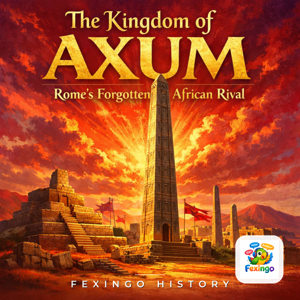


Long before modern infrastructure, the Kingdom of Axum mastered water management in a harsh climate. We explore the sophisticated cisterns, dams, and irrigation channels that sustained the capital and fueled its trade empire. Lucas and Luna discuss how these hidden hydraulic systems allowed Axum to thrive where others failed, turning scarcity into abundance. From the Great Cistern at Aksum to the regional qanats, we uncover the engineering prowess that supported one of Africa’s greatest civilizations. This episode moves beyond coins and stelae to examine the physical foundations of Axumite power, revealing a society deeply attuned to its environment.
#Axum #Aksum #EthiopianHistory #HydraulicEngineering #Cisterns #AncientInfrastructure #WaterManagement #EastAfrica #RedSeaTrade #KingdomOfAxum #AncientEngineering #HistoricalArchaeology #TigrayRegion #AncientTechnology #CivilizationStudies #HistoryPodcast #FexingoHistory #DeepDive
Keep every episode free: buymeacoffee.com/fexingo
While Axum is famous for its stone stelae and Christian conversions, the kingdom’s ultimate collapse was driven by a silent, geological force. In Episode 266, Lucas and Luna explore the severe climate shifts of the seventh and eighth centuries that turned the Ethiopian highlands against themselves. We examine the sediment records from Lake Tana and the archaeological voids in the urban centers that suggest a sudden, catastrophic drop in rainfall. This episode moves beyond political intrigue to look at how prolonged drought weakened the trade networks connecting Adulis to the Indian Ocean, starved the teff agriculture, and forced the population to retreat into the isolated mountain fortresses we see today. By tracing the environmental data, we understand why the great cities were abandoned not by sword, but by thirst.
#Axum #EthiopianHistory #ClimateChange #Drought #LakeTana #Adulis #TeffAgriculture #RedSeaTrade #AncientAfrica #Geopolitics #Archaeology #SeventhCentury #EighthCentury #HighlandEthiopia #FexingoHistory #HistoryPodcast #AncientCivilizations #EnvironmentalHistory
Keep every episode free: buymeacoffee.com/fexingo
In Episode 265, Lucas and Luna explore the enduring spiritual architecture of the Kingdom of Axum through the lens of the Nine Saints. Arriving in the fifth century to establish monastic communities, these Syriac and Greek monks did more than preach; they founded the first major churches and scriptoria that preserved Ge’ez literature for centuries. We trace the journeys of Abba Salama, who settled at Debre Damo, and Abba Gebre Menfes Kid, whose foundation at Yemrehana Krestos became a pilgrimage center. The episode examines how these foreign-born religious leaders navigated local politics, adopted indigenous practices, and forged a distinct Ethiopian Orthodox identity that outlasted the Aksumite empire itself. Listeners will discover how stone-carved rock-hewn sanctuaries served as both defensive fortresses and centers of learning, keeping ancient texts safe from invasion. By focusing on the personal legacies of these nine figures, we uncover a quieter but vital chapter of Axumite history—one defined not by coinage or conquest, but by the enduring power of faith and literacy.
#NineSaints #AbbaSalama #DebreDamo #YemrehanaKrestos #Ge'ezLiterature #EthiopianOrthodox #AxumHistory #SyriacMonks #RockHewnChurches #AbbaGebreMenfesKid #EastAfricanHistory #ChristianityInAfrica #AksumiteEmpire #MedievalEthiopia #ReligiousArchaeology #FexingoHistory #HistoryPodcast #AncientCivilizations
Keep every episode free: buymeacoffee.com/fexingo
While we often think of Axum’s wealth in terms of gold coins or exotic spices, its true foundation was forged in iron. This episode explores the hidden industrial might behind the Red Sea empire. We trace how the kingdom controlled the entire supply chain, from the deep mines of Tigray to the smelting furnaces that equipped their armies. Lucas and Luna examine the archaeological evidence at sites like Matara and Yeha, uncovering the scale of production that allowed Axum to rival Rome and Persia. You’ll learn about the specific technologies used to refine steel, the social status of the blacksmiths who held unique political power, and how this metallurgical dominance helped fund the construction of those massive stone stelae. It’s a story of fire, sweat, and engineering that turned a regional kingdom into a global trade power.
#Axum #AncientAfrica #IronAge #Metallurgy #RedSeaTrade #EthiopianHistory #Archaeology #IndustrialHistory #Tigray #Matara #Yeha #Blacksmithing #SteelProduction #EconomicHistory #RomeVsAxum #PeriplusOfTheErythraeanSea #HistoryPodcast #FexingoHistory
Keep every episode free: buymeacoffee.com/fexingo
While we often think of Aksum as a landlocked highland kingdom defined by its stelae and grain, it was in fact a dominant naval power controlling the vital Red Sea trade routes. This episode explores how the Axumite navy enforced peace against the Blemmyes and Arab pirates, protecting the flow of Indian Ocean goods through the port of Adulis. We look at the specific tactics used to secure these waters, the role of the royal fleet in projecting imperial power, and how maritime dominance funded the empire’s monumental architecture. Through the accounts of Cosmas Indicopleustes and archaeological evidence from coastal sites, we reconstruct a side of Axum rarely discussed: the kingdom that ruled the waves long before European empires entered the region.
#Aksum #AxumiteEmpire #RedSeaTrade #AncientNavy #Adulis #CosmasIndicopleustes #Blemmyes #IndianOceanTrade #EastAfricanHistory #MaritimePower #PiracyInAntiquity #EthiopianHistory #Tigray #AncientNavalWarfare #RomanTradeRivals #Himyar #SassanianPersia #HistoryPodcast #FexingoHistory
Keep every episode free: buymeacoffee.com/fexingo
While Axum’s stone monuments and grain taxes have been explored in depth, the kingdom’s true engine was its control of the Red Sea maritime trade. This episode focuses on the bustling port city of Adulis, the critical chokepoint where African goods met Roman and Indian markets. We trace the journey of ivory, tortoise shell, and myrrh from the Ethiopian highlands to the ships docked at Adulis, examining how this commerce funded Axum’s rise as a superpower alongside Rome and Persia. Through the accounts of Cosmas Indicopleustes and archaeological findings, we reconstruct the daily life of this international hub, where merchants negotiated in multiple languages and kings collected duties that filled the imperial treasury. Discover how Axum’s naval strategy and diplomatic ties with distant empires shaped the ancient world’s economy.
#Adulis #Axum #RedSeaTrade #CosmasIndicopleustes #PeriplusOfTheErythraeanSea #AncientEthiopia #RomanEmpire #IndianOceanTrade #IvoryTrade #Myrrh #TortoiseShell #Basileus #Negus #Ge'ez #Nobatia #Meroe #PaxRomana #History #FexingoHistory
Keep every episode free: buymeacoffee.com/fexingo
In this episode, we explore the agricultural engine that allowed the Kingdom of Axum to rival Rome and Persia. While earlier episodes covered stelae and coinage, we focus on teff, the tiny grain that became the backbone of Aksumite wealth. We trace its cultivation in the highlands, its role in the tax system known as Mai Shum, and how it sustained the army and bureaucracy. Lucas and Luna discuss the archaeological evidence of granaries, the trade routes connecting Adulis to India, and the social structure built around food security. This is a deep dive into the economic history of East Africa’s most powerful pre-colonial state.
#Axum #KingdomOfAxum #Teff #AncientEthiopia #AksumiteEmpire #EastAfricanHistory #RedSeaTrade #AncientAgriculture #MaiShum #Adulis #CosmasIndicopleustes #GeEz #NegusaNagast #HistoricalEconomics #AfricanHistory #FexingoHistory #HistoryPodcast #AncientCivilizations
Keep every episode free: buymeacoffee.com/fexingo
While Axum is famous for its stone obelisks and Red Sea trade, its spiritual architecture was built by a specific group of exiles known as the Nine Saints. This episode explores how these Syriac and Greek monks arrived in the fourth century to establish monasteries that would outlast the empire itself. We look at Abba Salama, who founded Yemrehana Krestos, and Abba Gebre Menfes Kid, whose cave church remains a pilgrimage site. We also examine the theological shift from Arianism to Orthodoxy under King Kaleb and how this religious network preserved Ge'ez manuscripts through centuries of political fragmentation. From the highlands of Tigray to the coastal plains, these monastic communities became the true custodians of Axumite identity when the state crumbled.
#Axum #NineSaints #AbbaSalama #YemrehanaKrestos #Ge'ezLiterature #EthiopianOrthodoxChurch #SyriacChristianity #KingKaleb #TigrayHistory #CopticMonks #AncientEthiopia #RedSeaEmpire #Hagiography #MedievalAfrica #ReligiousHistory #FexingoHistory #HistoryPodcast #AncientCivilizations
Keep every episode free: buymeacoffee.com/fexingo
While previous episodes have explored Axum's stone monuments, naval prowess, and religious shifts, this episode turns to the material engine of the empire: iron. We trace how the Aksumites mastered metallurgy to produce superior weapons and tools, fueling their expansion into the Ethiopian highlands and trade across the Red Sea. Lucas and Luna examine the archaeological evidence from sites like Yeha and Matara, uncovering slag heaps and finished spearheads that reveal a sophisticated industrial base. We look at the role of specific smiths and guilds, the technological transfer from South Arabian influences, and how iron tax revenue supported the royal court. This conversation moves beyond the grand stelae to the soot-stained reality of Aksumite production, exploring how control over iron resources allowed King Kaleb and his predecessors to project power against both Persian and local rivals. You will learn about the specific furnaces used, the export markets for Aksumite steel, and the social status of metalworkers in this ancient African kingdom.
#Aksum #IronTrade #Metallurgy #EastAfricaHistory #AncientEmpires #KingKaleb #Yeha #Matara #RedSeaTrade #Archaeology #Spearheads #SteelProduction #AfricanHistory #FexingoHistory #HistoryPodcast #AncientTechnology #Himyar #Persia #IndustrialHistory
Keep every episode free: buymeacoffee.com/fexingo
While we have explored Axum’s imperial power, its granite stelae, and its Red Sea trade networks, there is a thread of history that often gets buried beneath the Orthodox narrative: the ancient presence of Beta Israel, the Ethiopian Jews. This episode dives into the complex relationship between the Aksumite kings and their Jewish subjects, tracing how a community with deep roots in the Horn of Africa navigated life under a Christianizing empire. We look at the archaeological evidence from sites like Matara and the oral traditions of the Falasha musicians who preserved these stories for centuries. From the possible biblical connections to Solomon and Sheba to the political tensions that led to persecution, we uncover how faith, identity, and sovereignty collided in one of Africa’s most formidable ancient states.
#Axum #Aksum #BetaIsrael #EthiopianJews #AncientHistory #EastAfrica #HornOfAfrica #Gez #SolomonicDynasty #QueenOfSheba #EthiopianOrthodoxChurch #Falasha #Matara #RedSeaTrade #AncientKingdoms #ReligiousHistory #AfricanHistory #FexingoHistory #History
Keep every episode free: buymeacoffee.com/fexingo
From the publisher's feed