
Sign up to save your podcasts
Or

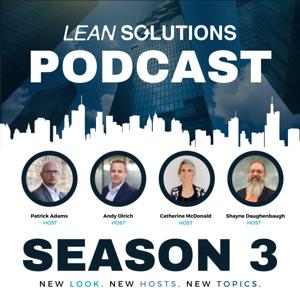


What You’ll Learn in This Episode
In this episode, Catherine McDonald is joined by Marilyn Rosa-Green to explore the pressure paradox and how the same drive that makes leaders successful under pressure can also lead to self-doubt, stress, and burnout. They discuss why high-performing leaders often normalize unhealthy levels of pressure, how to recognize the warning signs, and the difference between healthy ambition and unsustainable stress.
Marilyn shares how leaders can identify patterns in their thinking and behaviors, manage their emotions, and focus on what they can control. The conversation also explores the role organizations play in creating healthier workplace cultures through psychological safety, supportive leadership, and everyday practices that prioritize employee well-being. Marilyn also explains how simplifying priorities, developing self-awareness, and focusing on what truly matters can help leaders reduce unnecessary pressure while continuing to perform at a high level.
Key Takeaways
Links:
https://www.linkedin.com/in/consultmarilyn/
https://www.marilynrosaconsulting.com/
https://www.findleansolutions.com/
What You’ll Learn in This Episode:
In this episode, Patrick Adams and Catherine McDonald are joined by David Norris to explore why organizations should improve their processes before automating them. They discuss how jumping too quickly into automation or AI can result in organizations simply automating existing waste and complexity.
David shares how leaders can understand the current state, identify root causes, involve the people doing the work, and eliminate unnecessary steps before introducing technology. The conversation also explores how to identify good opportunities for automation and build a culture where continuous improvement becomes part of everyday work. Episode 37_otter_ai_transcript Episode 37_otter_ai_transcript
Key Takeaways:
1. Don’t automate waste—improve the process before adding technology
2. Understand the current state before designing the future state
3. Involve the people doing the work when identifying problems and improvement opportunities
4. Start small: choose one process, walk it, ask questions, and begin improving
Links:
https://www.linkedin.com/in/david-norris-17016b146/
https://elevatedmtnsolutions.com/
https://www.findleansolutions.com/
What You'll Learn in This Episode:
In this episode, Andy Olrich and Catherine McDonald are joined by Lean culture coach Edwin Proper to explore why organizations need to stop managing Lean and start growing people. They discuss how lasting Lean cultures are built through small, consistent leadership habits rather than tools or one-time improvement initiatives.
Edwin shares practical ways leaders can build engagement, psychological safety, and continuous improvement into everyday work—from morning meetings and celebrating small wins to creating space for employees to identify and solve problems.
Key Takeaways:
Links:
https://www.linkedin.com/in/edwin-proper-growth/
https://v2.stan.store/ProperGrowth
https://www.findleansolutions.com/
What You'll Learn in This Episode:
In this episode, Patrick Adams and Shayne Daughenbaugh are joined by returning guest Olaf Boettger to explore how continuous improvement and daily management apply beyond traditional operations, including sales, commercial teams, innovation, and product development.
They discuss why effective daily management requires the courage to identify problems instead of hiding them, how leaders can create an environment where people feel comfortable sharing bad news, and why curiosity, humility, and consistent leadership behaviors are essential for building a true culture of continuous improvement.
Key Takeaways:
Links:
https://www.linkedin.com/in/olaf-boettger/
https://www.findleansolutions.com/
What You'll Learn in This Episode:
In this episode, Shayne Daughenbaugh is joined by Michael Krumpak, executive coach, leadership advisor, and author of Why Smart Leaders Do Stupid Things, to explore why even experienced, well-intentioned leaders sometimes make poor decisions. They discuss how pressure, stress, and blind spots can disconnect a leader's intentions from their actions—and why recognizing those moments is an important part of becoming a stronger leader.
Michael shares examples of how good intentions can create unintended results when leaders fail to understand the perspectives and needs of their people. The conversation explores the importance of curiosity, communication, and feedback in uncovering blind spots, along with why leaders need to continually adapt as they move from individual contributor to increasingly senior leadership roles.
Finally, Shayne and Michael discuss practical ways leaders can become more self-aware by actively asking for feedback. Whether through assessments, 360-degree feedback, one-on-one conversations, or team discussions, the goal is to create an environment where people feel comfortable sharing what leaders may not be able to see themselves.
Key Takeaways:
Links:
https://www.linkedin.com/in/coachkrumpak/
https://l4learningsolutions.com
https://www.findleansolutions.com/
What You'll Learn in This Episode:
In this episode, Catherine McDonald is joined by Dajana Achelpohl to explore the AI readiness gap. The difference between simply giving people access to AI and actually creating meaningful business value from it. They discuss why organizations can invest in AI tools, licenses, and pilot programs yet still struggle to see measurable results or sustained adoption.
Dajana introduces a practical five-question framework organizations can use to assess their AI readiness: Why? How? Who? What if? Then what? The conversation begins with understanding why AI is being introduced and connecting it to real business priorities rather than adopting it simply because everyone else is.
They also explore why organizations need to understand how work actually gets done before deciding where AI belongs. That means involving the people closest to the work, identifying bottlenecks and repetitive tasks, and integrating AI directly into workflows instead of treating it as another tool sitting alongside the work.
The conversation then turns to the people side of AI adoption, including AI literacy, leadership modeling, ongoing coaching, and giving employees the time and skills they need to become comfortable with new tools. Dajana also explains the importance of preparing for AI mistakes through human oversight, strong data practices, clear governance, and practical AI-use policies.
Finally, they discuss why AI adoption is not a one-and-done initiative. Organizations need to continuously learn, gather feedback, reinforce AI use through leadership, and determine what happens after pilot programs if they want AI adoption to stick.
Key Takeaways:
Links:
https://stephanieangelo.com/
http://www.linkedin.com/in/stephanieangelosphr
https://www.findleansolutions.com/summit-2026/
https://www.findleansolutions.com/
What You'll Learn in This Episode:
In this episode, Catherine McDonald is joined by Stephanie Angelo to explore why culture is the hidden process behind organizational performance. They discuss how organizations can improve processes all day long, but without a culture that supports trust, accountability, and engagement, those improvements are unlikely to stick.
Stephanie explains why company culture should be viewed as a business strategy and offers a simple way to understand it: the personality of an organization. The conversation explores how leaders can intentionally shape that personality through values, behaviors, policies, and everyday interactions—and why creating a strong culture requires active involvement from senior leadership, not just middle managers or HR.
The discussion also looks at psychological safety, differences in culture across teams, and the importance of creating alignment between departments. Stephanie shares practical insights into hiring for culture through behavior-based interviewing and explains how understanding a candidate's past behavior can provide a better picture of how they may contribute to an organization's culture.
Finally, Catherine and Stephanie explore the growing role of AI in the workplace and why it should be used as a tool to prompt, assist, and support human thinking rather than replace it. They discuss the potential for AI to support team communication and collaboration while emphasizing the need to maintain human judgment and intentionality.
Key Takeaways:
1. Culture is the hidden process that determines whether improvements truly stick
2. A strong company culture should be treated as an intentional business strategy
3. Culture is a shared responsibility, but senior leaders must actively model and support it
4. Hiring for culture requires understanding behaviors—not just skills and experience
Links:
https://stephanieangelo.com/
http://www.linkedin.com/in/stephanieangelosphr
https://www.findleansolutions.com/summit-2026/
https://www.findleansolutions.com/
What You'll Learn in This Episode:
In this episode, Patrick Adams and Andy Olrich are joined by Dr. William Harvey to explore one of the biggest challenges in continuous improvement: sustainment. Together, they discuss why organizations can be great at launching improvement initiatives but struggle to maintain momentum and achieve lasting results.
William identifies three fundamental conditions that influence whether improvement efforts stick: the work must feel meaningful, people must feel safe doing it, and they must have the time to do it. The conversation explores the critical role psychological safety plays in building ownership and engagement, along with how leaders can create trust by consistently listening to employees, removing obstacles, and following through on commitments.
The discussion also dives into Toyota Kata and deliberate practice as practical approaches for developing problem-solving capability throughout an organization. William explains how small experiments, daily coaching, and shared responsibility between coaches and improvers can turn continuous improvement from a temporary initiative into an everyday habit.
Whether you're leading a team, coaching problem solvers, building an improvement culture, or trying to prevent your latest initiative from becoming another "flash in the pan," this episode provides practical insights for creating an environment where continuous improvement can truly sustain.
Key Takeaways:
Links:
https://www.linkedin.com/in/drwilliamharvey
https://www.findleansolutions.com/summit-2026/
https://www.findleansolutions.com/
What You'll Learn in This Episode:
In this episode of the Lean Solutions Podcast, Natalie Howden is joined by Cindy Darnell, Steve Burgett, and Jordan Kimball for a preview of their sessions at the Lean Solutions Global Summit. Together, they explore how organizations can design better processes, reduce ambiguity, strengthen communication, and develop people through continuous improvement.
Steve and Jordan share how their work at Gentex focuses on designing systems that make problems visible, reduce noise and chaos, and create the stability needed for people to become proactive problem solvers rather than constant firefighters. They also discuss how these principles can be applied beyond manufacturing to support and administrative environments.
Cindy dives into DISC and how understanding different communication and behavioral styles can help leaders navigate change, strengthen teams, and support lean culture transformation. The conversation also explores the connection between people and innovation, the importance of understanding ourselves and others, and how Kata can become a powerful people development process.
Whether you're leading change, improving processes, developing people, or building a stronger continuous improvement culture, this episode offers practical insights for creating systems that work better and teams that work better together.
Key Takeaways:
1. Design processes to make problems visible and reduce ambiguity
2. Standardization and stability give people more room to problem-solve and innovate
3. Understanding different communication styles can make change more effective
4. People and innovation are better together when communication and systems support both
Links:
https://www.findleansolutions.com/summit-2026/
https://www.findleansolutions.com/
What You'll Learn in This Episode:
In this episode of the Lean Solutions Podcast, Shayne Daughenbaugh and Andy Olrich welcome James Martin to explore why batching often feels more efficient, but can actually hurt the flow of an entire organization. James shares real-world examples of reducing batch sizes and moving toward flow, including a transformation that reduced processing time from 14 hours to as little as 1.5 hours while significantly increasing output.
The conversation explores how batching creates waiting, excess inventory, bottlenecks, and localized efficiency, and why teams need to focus on the flow of the entire system rather than individual productivity. James also explains how smaller batch sizes, experimentation, visual management, and employee empowerment can help organizations identify problems more quickly and foster a culture of continuous improvement.
Whether you're trying to reduce waste, improve manufacturing flow, or build a stronger continuous improvement culture, this episode offers practical examples of how reducing batching can help work move faster and more effectively through an organization.
Key Takeaways:
Links:
https://www.linkedin.com/in/james-martin-4a4629254/
https://srasolutions.com.au/
https://www.findleansolutions.com/lean-summit/
https://www.findleansolutions.com/
From the publisher's feed
16,063 Listeners
48 Listeners
1,457 Listeners
174 Listeners

199 Listeners
97 Listeners

9 Listeners
65,336 Listeners

1,126 Listeners

806 Listeners

26,557 Listeners
28 Listeners
14 Listeners