Send us Fan Mail
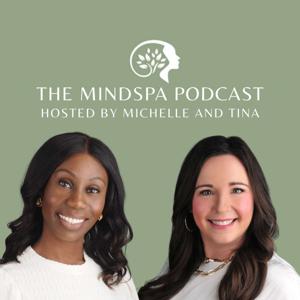
In this episode of The MindSpa Podcast, Tina Wilston and Michelle Massunken explore how mental health, neurodivergence, and relationship dynamics can shape the way people interpret one another’s behaviour. Through a series of AITA-style scenarios, they reflect on the difference between intention and impact, and how communication, boundaries, and compassion can help reduce unnecessary hurt in everyday relationships.
Scenario 1: OCD, Cleaning, and Feeling Unappreciated
The first scenario looks at a woman living with OCD who redoes her husband’s cleaning after he goes to bed because it is the only way she feels able to relax in her home. Tina Wilston and Michelle Massunken discuss how OCD can affect relationships, why loved ones may begin to personalize behaviours that are rooted in anxiety, and why it is so important to separate the person from the symptom. They also reflect on the role of accountability and the importance of seeking support rather than expecting others to adapt around compulsions.
Scenario 2: ADHD and the Forgotten Birthday
Next, Tina and Michelle unpack a friendship dilemma involving ADHD, memory challenges, and a missed birthday despite reminders and genuine effort. They explore how ADHD can affect relationships in ways that are often misunderstood, and why repeated hurt can sometimes point to a deeper pattern in the friendship. The conversation highlights the importance of curiosity, clearer communication, and understanding when forgetfulness is not about a lack of care.
Scenario 3: Separate Bedrooms and Relationship Meaning
In the third scenario, the discussion turns to a married couple considering separate bedrooms because of very different sleep needs. Tina Wilston and Michelle Massunken explore how requests like this can easily be interpreted as rejection, even when they are really about health, rest, and wellbeing. They reflect on the assumptions people attach to sleep arrangements, the importance of exploring other possible solutions, and how couples can maintain closeness and intimacy while meeting their individual needs.
Scenario 4: Mental Health, Family Traditions, and Boundaries
The fourth scenario focuses on someone who chooses to skip a difficult family Christmas in order to protect their peace, only to be met with guilt and accusati
The MindSpa Podcast
Thoughtful conversations about mental health, relationships, identity, healing, grounded in clinical expertise and steady human insight.
Hosts
Tina Wilston, M.Ed., Registered Psychotherapist
Co-Owner, MindSpa Mental Health Centre
LinkedIn, Instagram, Facebook
Michelle Massunken, MSW, RSW
Co-Owner, MindSpa Mental Health Centre
LinkedIn, Instagram, Facebook
MindSpa Mental Health Centre
Ottawa - Kanata & Gloucester
themindspa.ca
LinkedIn, instagram
Listen on
Apple Podcasts | Spotify | Amazon Music | YouTube