
Sign up to save your podcasts
Or

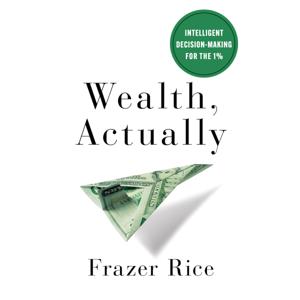

The New CEO Social Media Playbook: Communications Strategies in the Digital Age for the Modern CEO. In this episode, TED MERZ from Principals Media discusses the seismic shifts in corporate communications, exploring how CEOs can build authentic visibility in a rapidly evolving digital landscape, and the future of traditional media.
00:00 – Introduction to CEO communications in the digital era
02:00 – The decline of traditional media outlets for corporate messaging
05:00 – Case study: McDonald’s Big Arches video controversy and lessons learned
07:30 – Why engagement in digital platforms is no longer optional for CEOs
09:00 – Platform strategies for business communication and audience targeting
11:00 – The future role of CEOs on YouTube and social video content
13:00 – Authenticity and AI’s impact on content credibility
15:00 – Cross-platform content distribution and emerging channels like Substack
16:00 – Measuring success: from vanity metrics to real business impact
17:00 – The complexity of linking social media efforts to sales and hiring outcomes
19:00 – Building visibility to enhance reputation and company valuation
20:30 – The importance of a balanced media approach—traditional and digital
22:00 – Influencer dynamics, user-generated content, and organic reach
24:00 – The societal shift towards individual visibility and personal brand
26:00 – The relevance and future of traditional media in a digital-first world
28:00 – Strategies for influencing AI-driven search and online biography management
29:30 – How organizations can foster authentic employee advocacy
30:50 – Resources to connect with Ted Merz and his ongoing projects
Frazer Rice:
Welcome back to the Wealth Actually Podcast. Apologies in advance for the head cold. I’m joined today by Ted Merz of Principals Media. We’re discussing how CEOs are navigating communications, the role of social media, and whether traditional media is still relevant.
Frazer Rice:
Ted, welcome.
Ted Merz:
Great to be here. Thanks for having me.
Frazer Rice:
We met at a dinner in New York, and I was struck by your perspective on the shift happening in PR. You advise CEOs on communications—what are you seeing?
Ted Merz:
We’re in the middle of a major structural shift. Traditionally, companies relied on PR firms to secure placements in outlets like CNBC or The Wall Street Journal. That’s becoming less effective—those platforms are more competitive, often paywalled, and in some cases shrinking.
Ted Merz:
At the same time, more people want access to that exposure. So companies are going direct—creating their own content through social media, podcasts, video, and written thought leadership. It allows them to bypass traditional gatekeepers and control their narrative.
Frazer Rice:
It also gives you more room to develop your ideas. But we’ve seen cases—Sam Altman, for example—where messaging goes sideways. Is that inexperience or the format?
Ted Merz:
It’s not the format. There’s always risk in speaking publicly—people can react negatively. Sometimes it’s inexperience, but more broadly, this shift is inevitable.
Ted Merz:
If you want to reach younger audiences—late millennials and Gen Z—they’re not watching CNBC or reading newspapers. They’re on YouTube and Instagram. So participation in digital media isn’t optional.
Ted Merz:
That said, there’s a learning curve. Executives aren’t always comfortable, and mistakes will happen.
Frazer Rice:
Just look at the reaction to a poorly thought-out tweet—it can spiral quickly.
Ted Merz:
Exactly. But opting out is the bigger risk. If you’re not visible, you’re not part of the conversation.
Frazer Rice:
I’ve leaned into that with this podcast and more activity on LinkedIn and Twitter. But there’s a tension—should you focus on one platform or meet clients wherever they are?
Ted Merz:
It’s not about the platform—it’s about communication. You’re either writing or creating video.
Ted Merz:
For most businesses, LinkedIn is the best starting point. It’s professional, relatively forgiving, and widely accepted. But platforms are evolving quickly.
Ted Merz:
For example, X (Twitter) is now supporting long-form content—5,000+ word essays—and has become a hub for thought leadership in finance and tech. It’s more intense and less forgiving than LinkedIn, but that may be where your audience is.
Frazer Rice:
That’s part of why I moved my podcast to YouTube. If you’re not on YouTube, you’re invisible to Google. But not everyone is comfortable on video—how do you handle that?
Ted Merz:
I tell them to get comfortable.
Ted Merz:
YouTube is the new television. It’s where attention is going, and it rewards creators financially. Companies need to develop video capability.
Ted Merz:
Written content conveys ideas well, but video builds trust and familiarity. That’s critical today.
Ted Merz:
Historically, CEOs didn’t communicate this way. But now you see leaders like Mark Zuckerberg, Jamie Dimon, and Jon Gray using video regularly. That legitimizes it. Within a few years, this will be standard.
Frazer Rice:
There’s also a push for authenticity. Overproduced or AI-generated content feels hollow, especially with growing fatigue around corporate messaging.
Ted Merz:
That’s right. But authenticity doesn’t mean abandoning standards. You can still communicate clearly and thoughtfully.
Ted Merz:
Also, content is increasingly distributed across platforms—LinkedIn, X, YouTube, Substack. Substack, in particular, is emerging as a strong platform for serious thought leadership.
Ted Merz:
Importantly, in business, the goal isn’t to go viral. It’s to create a credible public record—so when someone looks you up, they see someone thoughtful and worth engaging.
Frazer Rice:
That raises the question of metrics. How do you connect social media activity to actual business results?
Ted Merz:
It’s difficult. Social media behaves more like brand advertising than direct response marketing.
Ted Merz:
Vanity metrics—likes, shares—can be misleading or manipulated. The connection to revenue is often indirect.
Ted Merz:
But you can see impact anecdotally. One client told me they couldn’t tie posts directly to sales, but they were attracting better job candidates who already understood and trusted the firm. That’s real value.
Frazer Rice:
And what about search? It used to be about controlling Google results. Now with AI-driven search, that’s changing.
Ted Merz:
Exactly. Large language models now shape how people are perceived online. You can’t fully control that, but you can influence it by consistently publishing clear, factual content.
Ted Merz:
If you don’t, the narrative will be created without you.
Frazer Rice:
I think of this as building personal and corporate goodwill—like managing the name on the back of the jersey as well as the front.
Ted Merz:
That’s a great way to put it.
Ted Merz:
We’ve also seen a cultural shift. In the past, companies emphasized the collective—“there’s no I in team.” Today, we’re in an attention economy where people connect with individuals more than institutions.
Ted Merz:
That’s why CEOs are becoming more visible. It helps the brand, and it reflects how audiences engage.
Ted Merz:
Companies are also trying to involve employees, but that’s tricky—you can’t fully control messaging and still have authenticity.
Frazer Rice:
Which brings us back to the core tension: authenticity versus control.
Ted Merz:
Exactly.
Frazer Rice:
So is traditional media dead?
Ted Merz:
No—but its role has changed.
Ted Merz:
Think of it as a pyramid. At the top is legacy media, which provides credibility and validation. Below that are influencers and independent creators. At the base is owned content—what you publish yourself.
Ted Merz:
Traditional media still matters, but it’s harder to access. Increasingly, strong content created independently gets picked up and amplified by legacy outlets.
Ted Merz:
So the strategy is layered: create your own content, engage across platforms, and let that visibility lead to broader coverage.
Frazer Rice:
That makes sense. Ted, we’ll have to continue this conversation—there’s more to cover. In the meantime, where can people find you?
Ted Merz:
LinkedIn is the best place—I’m very active there. You can also find me on X, YouTube, and TikTok.
Ted Merz:
My primary business focuses on content creation and ghostwriting for CEOs. I’m also building a platform called Pricing Culture, which tracks collectible assets—think of it as a Bloomberg for collectibles—targeted at family offices.
Frazer Rice:
Terrific. We’ll definitely dive into that next time. Thanks for joining.
Ted Merz:
Thanks for having me.
Keywords:
The New CEO Social Media Playbook, CEO Marketing, CEO Social Media, Quest for Authenticity, CEO Branding, Corporate-Speak fatigue, Problems with LinkedIn
 View all episodes
 By Frazer Rice

4.8
2525 ratings
The New CEO Social Media Playbook: Communications Strategies in the Digital Age for the Modern CEO. In this episode, TED MERZ from Principals Media discusses the seismic shifts in corporate communications, exploring how CEOs can build authentic visibility in a rapidly evolving digital landscape, and the future of traditional media.
00:00 – Introduction to CEO communications in the digital era
02:00 – The decline of traditional media outlets for corporate messaging
05:00 – Case study: McDonald’s Big Arches video controversy and lessons learned
07:30 – Why engagement in digital platforms is no longer optional for CEOs
09:00 – Platform strategies for business communication and audience targeting
11:00 – The future role of CEOs on YouTube and social video content
13:00 – Authenticity and AI’s impact on content credibility
15:00 – Cross-platform content distribution and emerging channels like Substack
16:00 – Measuring success: from vanity metrics to real business impact
17:00 – The complexity of linking social media efforts to sales and hiring outcomes
19:00 – Building visibility to enhance reputation and company valuation
20:30 – The importance of a balanced media approach—traditional and digital
22:00 – Influencer dynamics, user-generated content, and organic reach
24:00 – The societal shift towards individual visibility and personal brand
26:00 – The relevance and future of traditional media in a digital-first world
28:00 – Strategies for influencing AI-driven search and online biography management
29:30 – How organizations can foster authentic employee advocacy
30:50 – Resources to connect with Ted Merz and his ongoing projects
Frazer Rice:
Welcome back to the Wealth Actually Podcast. Apologies in advance for the head cold. I’m joined today by Ted Merz of Principals Media. We’re discussing how CEOs are navigating communications, the role of social media, and whether traditional media is still relevant.
Frazer Rice:
Ted, welcome.
Ted Merz:
Great to be here. Thanks for having me.
Frazer Rice:
We met at a dinner in New York, and I was struck by your perspective on the shift happening in PR. You advise CEOs on communications—what are you seeing?
Ted Merz:
We’re in the middle of a major structural shift. Traditionally, companies relied on PR firms to secure placements in outlets like CNBC or The Wall Street Journal. That’s becoming less effective—those platforms are more competitive, often paywalled, and in some cases shrinking.
Ted Merz:
At the same time, more people want access to that exposure. So companies are going direct—creating their own content through social media, podcasts, video, and written thought leadership. It allows them to bypass traditional gatekeepers and control their narrative.
Frazer Rice:
It also gives you more room to develop your ideas. But we’ve seen cases—Sam Altman, for example—where messaging goes sideways. Is that inexperience or the format?
Ted Merz:
It’s not the format. There’s always risk in speaking publicly—people can react negatively. Sometimes it’s inexperience, but more broadly, this shift is inevitable.
Ted Merz:
If you want to reach younger audiences—late millennials and Gen Z—they’re not watching CNBC or reading newspapers. They’re on YouTube and Instagram. So participation in digital media isn’t optional.
Ted Merz:
That said, there’s a learning curve. Executives aren’t always comfortable, and mistakes will happen.
Frazer Rice:
Just look at the reaction to a poorly thought-out tweet—it can spiral quickly.
Ted Merz:
Exactly. But opting out is the bigger risk. If you’re not visible, you’re not part of the conversation.
Frazer Rice:
I’ve leaned into that with this podcast and more activity on LinkedIn and Twitter. But there’s a tension—should you focus on one platform or meet clients wherever they are?
Ted Merz:
It’s not about the platform—it’s about communication. You’re either writing or creating video.
Ted Merz:
For most businesses, LinkedIn is the best starting point. It’s professional, relatively forgiving, and widely accepted. But platforms are evolving quickly.
Ted Merz:
For example, X (Twitter) is now supporting long-form content—5,000+ word essays—and has become a hub for thought leadership in finance and tech. It’s more intense and less forgiving than LinkedIn, but that may be where your audience is.
Frazer Rice:
That’s part of why I moved my podcast to YouTube. If you’re not on YouTube, you’re invisible to Google. But not everyone is comfortable on video—how do you handle that?
Ted Merz:
I tell them to get comfortable.
Ted Merz:
YouTube is the new television. It’s where attention is going, and it rewards creators financially. Companies need to develop video capability.
Ted Merz:
Written content conveys ideas well, but video builds trust and familiarity. That’s critical today.
Ted Merz:
Historically, CEOs didn’t communicate this way. But now you see leaders like Mark Zuckerberg, Jamie Dimon, and Jon Gray using video regularly. That legitimizes it. Within a few years, this will be standard.
Frazer Rice:
There’s also a push for authenticity. Overproduced or AI-generated content feels hollow, especially with growing fatigue around corporate messaging.
Ted Merz:
That’s right. But authenticity doesn’t mean abandoning standards. You can still communicate clearly and thoughtfully.
Ted Merz:
Also, content is increasingly distributed across platforms—LinkedIn, X, YouTube, Substack. Substack, in particular, is emerging as a strong platform for serious thought leadership.
Ted Merz:
Importantly, in business, the goal isn’t to go viral. It’s to create a credible public record—so when someone looks you up, they see someone thoughtful and worth engaging.
Frazer Rice:
That raises the question of metrics. How do you connect social media activity to actual business results?
Ted Merz:
It’s difficult. Social media behaves more like brand advertising than direct response marketing.
Ted Merz:
Vanity metrics—likes, shares—can be misleading or manipulated. The connection to revenue is often indirect.
Ted Merz:
But you can see impact anecdotally. One client told me they couldn’t tie posts directly to sales, but they were attracting better job candidates who already understood and trusted the firm. That’s real value.
Frazer Rice:
And what about search? It used to be about controlling Google results. Now with AI-driven search, that’s changing.
Ted Merz:
Exactly. Large language models now shape how people are perceived online. You can’t fully control that, but you can influence it by consistently publishing clear, factual content.
Ted Merz:
If you don’t, the narrative will be created without you.
Frazer Rice:
I think of this as building personal and corporate goodwill—like managing the name on the back of the jersey as well as the front.
Ted Merz:
That’s a great way to put it.
Ted Merz:
We’ve also seen a cultural shift. In the past, companies emphasized the collective—“there’s no I in team.” Today, we’re in an attention economy where people connect with individuals more than institutions.
Ted Merz:
That’s why CEOs are becoming more visible. It helps the brand, and it reflects how audiences engage.
Ted Merz:
Companies are also trying to involve employees, but that’s tricky—you can’t fully control messaging and still have authenticity.
Frazer Rice:
Which brings us back to the core tension: authenticity versus control.
Ted Merz:
Exactly.
Frazer Rice:
So is traditional media dead?
Ted Merz:
No—but its role has changed.
Ted Merz:
Think of it as a pyramid. At the top is legacy media, which provides credibility and validation. Below that are influencers and independent creators. At the base is owned content—what you publish yourself.
Ted Merz:
Traditional media still matters, but it’s harder to access. Increasingly, strong content created independently gets picked up and amplified by legacy outlets.
Ted Merz:
So the strategy is layered: create your own content, engage across platforms, and let that visibility lead to broader coverage.
Frazer Rice:
That makes sense. Ted, we’ll have to continue this conversation—there’s more to cover. In the meantime, where can people find you?
Ted Merz:
LinkedIn is the best place—I’m very active there. You can also find me on X, YouTube, and TikTok.
Ted Merz:
My primary business focuses on content creation and ghostwriting for CEOs. I’m also building a platform called Pricing Culture, which tracks collectible assets—think of it as a Bloomberg for collectibles—targeted at family offices.
Frazer Rice:
Terrific. We’ll definitely dive into that next time. Thanks for joining.
Ted Merz:
Thanks for having me.
Keywords:
The New CEO Social Media Playbook, CEO Marketing, CEO Social Media, Quest for Authenticity, CEO Branding, Corporate-Speak fatigue, Problems with LinkedIn
2,201 Listeners
948 Listeners

2,446 Listeners
2,035 Listeners
620 Listeners

930 Listeners
243 Listeners
460 Listeners
5,485 Listeners

10,182 Listeners
339 Listeners
8,439 Listeners

1,069 Listeners

142 Listeners

1,489 Listeners