
Sign up to save your podcasts
Or


Protect your online privacy with Proton VPN. Encrypt your connection, hide your real IP address, and help block ads, trackers, and malware. Save up to 70% through our official Proton VPN link:
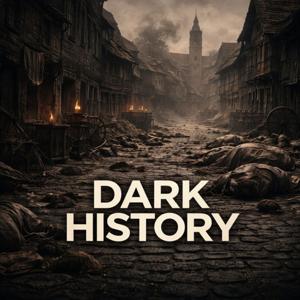
In June eighteen thirty-nine, at Humen near Canton, Qing commissioner Lin Zexu supervised the destruction of more than twenty thousand chests of surrendered opium. The drug had been grown and processed under British power in India, sold through East India Company auctions, carried by private traders, and smuggled into China despite imperial bans. Britain answered the destruction with war. This episode reconstructs the trade imbalance that drew silver out of Britain, the colonial opium system that reversed that flow, the Qing debate over legalization versus suppression, and the confrontation between Lin Zexu, foreign merchants, and British superintendent Charles Elliot. It follows the First Opium War, the Treaty of Nanking, the rise of unequal treaties, the disputed Arrow incident, the Second Opium War, and the looting and burning of the Old Summer Palace. The evidence shows opium was central, but not alone: property claims, diplomatic status, legal jurisdiction, treaty ports, missionary access, and imperial strategy all shaped the conflict. The central question remains whether these wars can be understood as ordinary trade and diplomacy disputes when military force compelled Qing China to accept a treaty order built around the consequences of an illegal narcotics trade.
This podcast uses artificial intelligence in its research, writing, production, and narration. Episodes are editorially reviewed before publication.
#DarkHistory #ImperialExploitationForcedTradeAddictionAndMilit #OpiumWars #FirstOpiumWar #SecondOpiumWar
YES OR NO: Were the Opium Wars primarily fought to protect the opium trade???????
 View all episodes
 By Forbidden Knowledge Network


3.9
88 ratings
Protect your online privacy with Proton VPN. Encrypt your connection, hide your real IP address, and help block ads, trackers, and malware. Save up to 70% through our official Proton VPN link:
In June eighteen thirty-nine, at Humen near Canton, Qing commissioner Lin Zexu supervised the destruction of more than twenty thousand chests of surrendered opium. The drug had been grown and processed under British power in India, sold through East India Company auctions, carried by private traders, and smuggled into China despite imperial bans. Britain answered the destruction with war. This episode reconstructs the trade imbalance that drew silver out of Britain, the colonial opium system that reversed that flow, the Qing debate over legalization versus suppression, and the confrontation between Lin Zexu, foreign merchants, and British superintendent Charles Elliot. It follows the First Opium War, the Treaty of Nanking, the rise of unequal treaties, the disputed Arrow incident, the Second Opium War, and the looting and burning of the Old Summer Palace. The evidence shows opium was central, but not alone: property claims, diplomatic status, legal jurisdiction, treaty ports, missionary access, and imperial strategy all shaped the conflict. The central question remains whether these wars can be understood as ordinary trade and diplomacy disputes when military force compelled Qing China to accept a treaty order built around the consequences of an illegal narcotics trade.
This podcast uses artificial intelligence in its research, writing, production, and narration. Episodes are editorially reviewed before publication.
#DarkHistory #ImperialExploitationForcedTradeAddictionAndMilit #OpiumWars #FirstOpiumWar #SecondOpiumWar
YES OR NO: Were the Opium Wars primarily fought to protect the opium trade???????
36,617 Listeners
87,529 Listeners
75,010 Listeners
8,348 Listeners

30 Listeners
26 Listeners
4 Listeners
26,100 Listeners
3 Listeners
2 Listeners