
Sign up to save your podcasts
Or

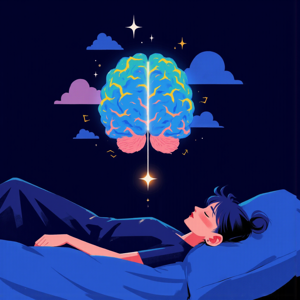


Episode 70 explores whether pain can genuinely be experienced during dreams. The answer is yes: dreamers sometimes report burning, stabbing, pressure, aching, or injuries that feel intensely real, even when no actual physical damage has occurred. The episode explains that pain is not simply a signal coming from injured tissue. It is an experience constructed by the brain from sensory input, memory, expectation, attention, and emotion. During dreams, the brain can simulate pain internally, but real bodily discomfort—such as a cramp, headache, pressure, or awkward sleeping position—can also be incorporated into the dream narrative. Fear and emotional intensity can make dream pain feel even stronger, especially during nightmares. Lucid dreamers sometimes report that pain becomes weaker or more controllable once they realize they are dreaming, showing how expectation and awareness can influence the experience. The episode concludes that dream pain demonstrates how powerfully the brain creates physical experience. An injury that never happened can still feel completely convincing because the dreaming mind is not merely watching a story—it is temporarily inhabiting a simulated world.
Episode 69 explores how dreams can recreate far more than visual imagery. The sleeping brain can generate convincing sounds, smells, tastes, textures, temperature, movement, and even pain, creating a sensory world that may feel completely real despite limited input from the outside environment. Sound is one of the most common nonvisual dream senses. Dreamers may hear conversations, music, footsteps, alarms, or voices, and real noises from the environment can sometimes be incorporated into the dream story. Smell and taste are reported less often, but when they appear they can be vivid, drawing heavily on memory, emotion, expectation, and previous sensory experiences. Touch may be especially powerful because dreams can reproduce pressure, warmth, cold, softness, pain, falling, floating, and movement. Real bodily sensations, such as discomfort, room temperature, or pressure from a blanket, may also be transformed into dream events. This shows how strongly the brain interprets and reconstructs sensory information rather than simply receiving it passively. The episode concludes that dreams reveal something fundamental about perception itself. Even while the external world is mostly reduced during sleep, the brain can still build a rich multisensory reality from memory and internal activity, reminding us that what we experience as "reality" is always partly a creation of the brain.
Episode 68 explores why some people remember dreams as intensely colorful while others describe them as muted, gray, or almost black and white. Most people appear to experience color in many dreams, but dream color varies because dreams are internally generated rather than direct recordings of the outside world.
The episode explains that visual areas of the brain can become active during vivid dreaming, especially in REM sleep, allowing the mind to construct colors, shapes, faces, and scenes without external light entering the eyes. However, remembering a dream after waking is imperfect. Someone may fail to recall the color of an object even if it was present during the dream, just as people often forget ordinary visual details from waking life.
Historical reports of black-and-white dreams may also have been influenced by exposure to black-and-white photography, film, and television. Individual differences in visual imagination, attention, emotion, and memory can further affect how colorful dreams seem. Even people with weak waking imagery can sometimes experience vivid visual dreams.
The episode concludes that dreaming in color is common, but color exists on a spectrum from vivid and unforgettable to faint or apparently absent. What we remember in the morning is only a fragment of the visual world the sleeping brain may have created.
Episode 67 explores why dreams can seem to last far longer—or sometimes much shorter—than the actual time spent asleep. Our sense of time is not produced by a perfect internal clock. Instead, it is shaped by attention, memory, emotion, bodily signals, and changes in our surroundings. During dreams, many of these external anchors disappear, allowing the brain to construct time much more freely.
Research involving lucid dreamers suggests that basic timing during dreams can remain surprisingly close to waking time, especially for simple tasks such as counting. However, dreams often create the impression of long durations by skipping transitions, inserting a sense of background history, and moving instantly between scenes. A dream can make us feel that hours or even years have passed without simulating every moment in between.
Memory and emotion also strongly influence dream duration. Intense or highly detailed dreams may feel longer because they leave behind more vivid fragments, while nightmares can stretch the subjective sense of time through fear and heightened emotional processing. After waking, the brain may reconstruct these fragments into a more continuous story, further changing how long the dream seems to have lasted.
Ultimately, dream time reveals something important about waking experience as well: our perception of time is always partly constructed by the brain. Dreams simply remove many of the usual limits, allowing moments to expand, years to collapse into seconds, and brief experiences to feel like entire lifetimes.
This episode explores hypnopompic experiences, which occur when dream imagery continues briefly after a person begins waking. During this transition, the eyes may open and awareness of the real bedroom may return while parts of the dreaming brain are still active.
People may see figures, patterns, or animals, hear voices or sounds, or continue feeling sensations such as floating, falling, or being touched. These experiences happen because waking perception and dream-generated perception temporarily overlap.
Hypnopompic hallucinations are closely related to sleep paralysis and false awakenings, but they are not the same. In hypnopompic states, the person is genuinely waking while elements of the dream remain for a few moments.
Ultimately, these experiences show that waking is not always instantaneous. Different brain systems can return to normal at slightly different speeds, briefly allowing the dream world and waking reality to exist together.
This episode explores hypnagogic hallucinations, the vivid images, voices, sounds, and bodily sensations that can appear while consciousness is shifting from wakefulness into sleep. During this transition, awareness of the outside world fades while internally generated dream-like experiences begin to emerge.
People may see faces or geometric patterns, hear their name being called, experience sudden sounds such as exploding head syndrome, or feel themselves falling, floating, or moving. These experiences occur because the brain is beginning to generate dream imagery before full sleep has taken over.
Hypnagogia also changes the way thoughts connect, allowing memories and ideas to combine more freely. This can sometimes encourage creativity, but the experiences are often forgotten quickly as sleep deepens.
Ultimately, hypnagogic hallucinations reveal dreaming in its earliest stages—a moment when waking perception and internally generated imagery overlap, creating a brief world between consciousness and sleep.
This episode explores why people experiencing sleep paralysis often report dark figures, intruders, pressure on the chest, or the overwhelming feeling that someone is nearby. During sleep paralysis, consciousness returns while the body is still partly in REM sleep, allowing dream imagery to overlap with the real bedroom.
Fear, incomplete sensory information, and the brain's threat-detection systems can turn shadows, sounds, or bodily sensations into convincing hallucinations. The feeling of chest pressure may come from unusual breathing sensations during REM sleep, while the sensed presence may result from the brain trying to explain why the body cannot move.
Culture also shapes these experiences. Different societies have described ghosts, demons, witches, spirits, or even aliens, but many of the underlying sensations are strikingly similar.
Ultimately, shadow figures during sleep paralysis are powerful examples of how the brain can combine fear, expectation, memory, and dream imagery into an experience that feels completely real.
This episode explores sleep paralysis, a frightening experience that happens when a person becomes conscious before REM paralysis has fully ended. During REM sleep, the brain naturally prevents most body movement so we do not physically act out our dreams. In sleep paralysis, awareness returns while that temporary paralysis is still active, leaving the person awake but unable to move.
The episode explains why sleep paralysis often includes terrifying sensations such as pressure on the chest, difficulty moving, a feeling that someone is in the room, or even vivid hallucinations of dark figures and intruders. These experiences occur because the brain may still be partly in a dream state while also processing the real bedroom environment.
Stress, sleep deprivation, irregular sleep schedules, and certain sleep disorders can make sleep paralysis more likely. Although it feels extremely real and frightening, it is usually harmless and passes once the REM state fully ends.
Ultimately, sleep paralysis reveals how fragile the boundary can be between dreaming and waking. It is not a supernatural event, but a temporary overlap of consciousness, paralysis, and dream imagery inside the sleeping brain.
This episode explores false awakenings, the strange experience of dreaming that you have already woken up while you are actually still asleep. These dreams can reproduce ordinary reality with remarkable accuracy, including familiar bedrooms, phones, routines, and morning activities.
False awakenings may occur near transitions between REM sleep and wakefulness, when the brain expects to wake but instead incorporates that expectation into the dream. Because critical reasoning is reduced during dreaming, even small inconsistencies often go unnoticed.
The episode also examines false-awakening loops, their connection with lucid dreaming, anxiety, and sleep paralysis, and why the brain can create such convincing simulations of reality from memory and expectation alone.
Ultimately, false awakenings reveal something remarkable about consciousness: the feeling of being awake can itself be recreated by the sleeping brain, showing how powerfully the mind constructs our sense of reality.
This episode explores why even vivid dreams can disappear within minutes of waking. During REM sleep, the brain is highly active, but the chemical conditions for forming stable memories are different from those of waking life. In particular, very low levels of norepinephrine may make dream experiences harder to store as lasting memories.
The episode also explains how the hippocampus and other memory systems behave differently during sleep. Rather than recording dreams as ordinary autobiographical events, the brain may be reorganizing existing memories, emotions, and associations. When we wake, external sensations, thoughts, alarms, phones, and daily responsibilities quickly compete with the fragile dream memory.
Dream recall varies from person to person and can improve through habits such as remaining still after waking, mentally reviewing the final dream scene, and keeping a dream journal. Strong emotional dreams, especially nightmares, are often remembered more clearly because they trigger sudden awakenings.
Ultimately, forgetting dreams may be partly a consequence of sleep chemistry and partly a useful way of keeping imagined experiences separate from waking memories. Most dreams fade quickly, but their emotional effects may remain long after the story itself has disappeared.
_:empty]:hidden">From the publisher's feed