
Sign up to save your podcasts
Or

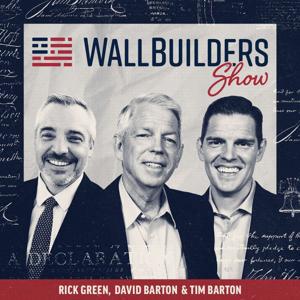
By Tim Barton, David Barton & Rick Green
The WallBuilders Show is a daily journey to examine today's issues from a Biblical, Historical and Constitutional perspective. Featured guests include elected officials, experts, activists, authors
... more

4.8
21322,132 ratings


The podcast currently has 2,607 episodes available.
The most played episodes among Podcast App listeners.
Common sense is showing up in places we did not expect, and that’s exactly why we love Good News Friday. We kick things off with a story that hits close to home for parents and educators: states across the political spectrum are moving to bring recess back and prioritize physical activity in public schools. We talk about why movement matters for kids’ health, focus, and long term development, and why this shift feels like a quiet win for families who want schools to support the whole child. Then we dig into a major education policy update: new Department of Education guidance saying schools should neither favor nor disfavor students by race when it comes to discipline. We unpack what race based discipline quotas and “restorative justice” pressures have looked like in practice, why they can undermine safety and fairness, and why accountability should be applied consistently to every student. From there, we pivot to immigration policy details most people never hear about, including B1 business and B2 tourist visas, visa overstays, and how asylum is meant to be a narrow safeguard rather than a loophole. We also highlight a potential FDA leader, Dr. Heidi Overton, and why her medical credentials and clarity on the science of unborn human life matter. Finally, we test climate catastrophe claims against long term data and end with encouraging news of large prayer gatherings in the UK that point to spiritual hunger beyond the US. If you found this encouraging, subscribe, share the show with a friend, and leave a review so more people can find Good News Friday. Support the show

A baseball team forfeits a game rather than compromise its convictions, climbs back to first place, and somehow that story ends with a game-worn jersey in our studio. That’s a perfect snapshot of what we’re chasing today: how faith-driven choices spread through culture when people are unified, courageous, and willing to communicate clearly. We’re joined by Troy Miller from National Religious Broadcasters (NRB) to talk about why Christian media and Christian broadcasting matter more than ever in the age of nonstop communication. We dig into what it means to disciple through media, why a sanctified church is the church that actually impacts society, and how civic engagement fits the mission of passing on a better world to the next generation. We also unpack the real reasons many churches pulled back from being salt and light and what it looks like to step forward again with biblical fidelity. Then Troy shares eye-opening research on Christian media audiences, including why Gen Z and millennials are tuning in because they want answers, not fluff. We talk about biblical literacy as a core need, why pastors should address current issues from Scripture, and why fear of cultural backlash can’t be the deciding factor for Christian leaders. You’ll also hear practical details about the NRB Convention (Feb 23 to 27 at the Gaylord National in Washington, DC), including what’s covered on technology, AI, broadcast law, First Amendment challenges, and the cultural issues shaping the next few years. If you care about a biblical worldview, religious liberty, and courageous Christian communication, subscribe, share this with a friend, and leave a review so more people can find the conversation. Support the show
Abraham Lincoln can be the hero of American history in one conversation and the villain in the next. We hear the “dictator” claims all the time: suppressed free speech, abused executive power, ignored the Constitution. So we decided to treat a listener’s question seriously and give you something better than talking points: real context, solid sources, and an honest way to defend Lincoln without turning him into a saint. We start by rethinking how we rank presidents in the first place. If you judge leaders only by what they did while in office, you end up measuring crisis management, constitutional decision-making, and the ability to hold the nation together under pressure. That sets the stage for Lincoln, because the Civil War forces questions that don’t show up in normal times, including the controversy around habeas corpus in Maryland and what an emergency does to executive authority. Professor Mark David Hall joins us with practical reading recommendations, including historian Allen Guelzo, and he walks through the strongest version of the critique and the strongest version of the defense. We also talk about how historical revisionism works, when it’s responsible, when it’s ideological, and why even well-known presidents like Eisenhower have been re-evaluated over time. Then we zoom out to what’s happening today, including Hall’s “Religious Liberty in the States” study with First Liberty Institute and which laws actually change the scorecard. If you care about Abraham Lincoln, the Civil War, constitutional history, and religious liberty, you’ll come away with clarity and next steps. Subscribe for more, share this with a friend who argues about Lincoln, and leave a review so more people can find the show. Support the show
The biggest “good news” story might be the one nobody expects: America’s homicide rate dropping to its lowest per-capita level since 1900. We walk through the 2025 crime statistics, what “per 100,000” really means, and why the gap between raw totals and rates changes the conversation. Then we dig into what the hosts believe is driving the shift, from border security and deportations of criminal migrants to targeted enforcement that makes places like Washington, DC feel safer on the street. From there, we pivot to immigration and citizenship policy with a headline that sounds unbelievable until you hear the details: birth tourism rings. After the Supreme Court rejects President Trump’s executive action tied to birthright citizenship, the State Department responds by launching a birth tourism prevention task force. We break down how these operations allegedly game the visa system, why forged documents and coaching are part of the playbook, and what enforcement can look like even when the courts say “no.” We also cover two more wins with real-world impact: a federal appeals court upholding Texas SB1 election integrity rules for mail voting and ballot assistance, and a reworked approach to USAID that redirects humanitarian aid through trusted Christian organizations like Samaritan’s Purse, Compassion International, and World Vision. If you care about election security, border policy, faith-based programs, and practical governance, this one connects the dots. Subscribe for more, share this with a friend who needs some hope, and leave a review with the story you found most surprising. Which headline did you trust the least before you listened? Support the show
The internet loves a secret backstory, especially when it can slap a scary label on the Founding Fathers. We take one of the most common claims head-on: “The founders were Freemasons, so America wasn’t really built on biblical values.” Instead of trading hot takes, we walk through what the historical record actually shows, why the numbers are often exaggerated, and why membership claims are not the same thing as real influence. We also dig into the example everyone brings up, George Washington. Yes, he had a documented Masonic connection, but the question is what that looked like in practice. We compare the popular narrative to the recorded reality, including Washington’s own words about how rarely he attended lodge. Then we address the Washington, D.C. design rumors, including the “pentagram in D.C.” storyline, and explain why late-blooming claims without early evidence should raise your skepticism. From there, the conversation shifts into modern policy and civic responsibility. We discuss the Texas law requiring age verification to download apps and ask whether it’s government overreach or a reasonable way to help parents protect kids from exploitation and grooming. Finally, we respond to a question about the Save Act and why Senate leaders don’t bring bills up when the votes aren’t there yet. If you care about Freemasonry and the Founding Fathers, George Washington’s faith, Washington D.C. conspiracy claims, parental rights online, and limited government that actually functions, this one is for you. Subscribe, share it with a friend who loves a good history debate, and leave a review so more people can find the show. Support the show
The podcast currently has 2,607 episodes available.
1,398 Listeners
2,568 Listeners
25,983 Listeners

181 Listeners
1,028 Listeners
5,434 Listeners

2,184 Listeners
65,494 Listeners

1,569 Listeners
1,551 Listeners

2,457 Listeners

699 Listeners
385 Listeners
13,176 Listeners
891 Listeners