
Sign up to save your podcasts
Or

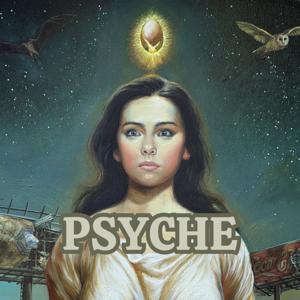

In this episode, I reflect on theopoetics as a way of returning to Christian theology without returning to literalism, dogmatism, or the need to win theological arguments.
As I’ve been rereading Christian theology, I’ve found myself drawn again to the strange, wounded, imaginative heart of religious language. I don’t take these ideas literally in the way I once did, but I do still find myself moved by them as metaphors, symbols, wounds, and invitations.
I explore Stanley Romaine Hopper, Death of God theology, and John Caputo’s weak theology as different ways of thinking about what happens to God-language after certainty.
This episode is not about debating belief or unbelief. It is about asking what theology can still do when it becomes poetic, imaginative, weak, ethical, and open to the future.
 View all episodes
 By Quique Autrey
5
1515 ratings
In this episode, I reflect on theopoetics as a way of returning to Christian theology without returning to literalism, dogmatism, or the need to win theological arguments.
As I’ve been rereading Christian theology, I’ve found myself drawn again to the strange, wounded, imaginative heart of religious language. I don’t take these ideas literally in the way I once did, but I do still find myself moved by them as metaphors, symbols, wounds, and invitations.
I explore Stanley Romaine Hopper, Death of God theology, and John Caputo’s weak theology as different ways of thinking about what happens to God-language after certainty.
This episode is not about debating belief or unbelief. It is about asking what theology can still do when it becomes poetic, imaginative, weak, ethical, and open to the future.

90,994 Listeners
15,251 Listeners

2,117 Listeners
1,461 Listeners

135 Listeners

313 Listeners
512 Listeners
583 Listeners
593 Listeners
354 Listeners
3,590 Listeners

59 Listeners

202 Listeners

287 Listeners
233 Listeners